In-depth buying guideFlat-Die Pellet Mill: six decisions that determine your configuration
Work through these six angles before you request a quotation. Each angle ends with a 10-second check so you can confirm fit and give our engineers the right data the first time.
1. Flat-die pellet mill working principle for organic fertilizer and biomass pellets
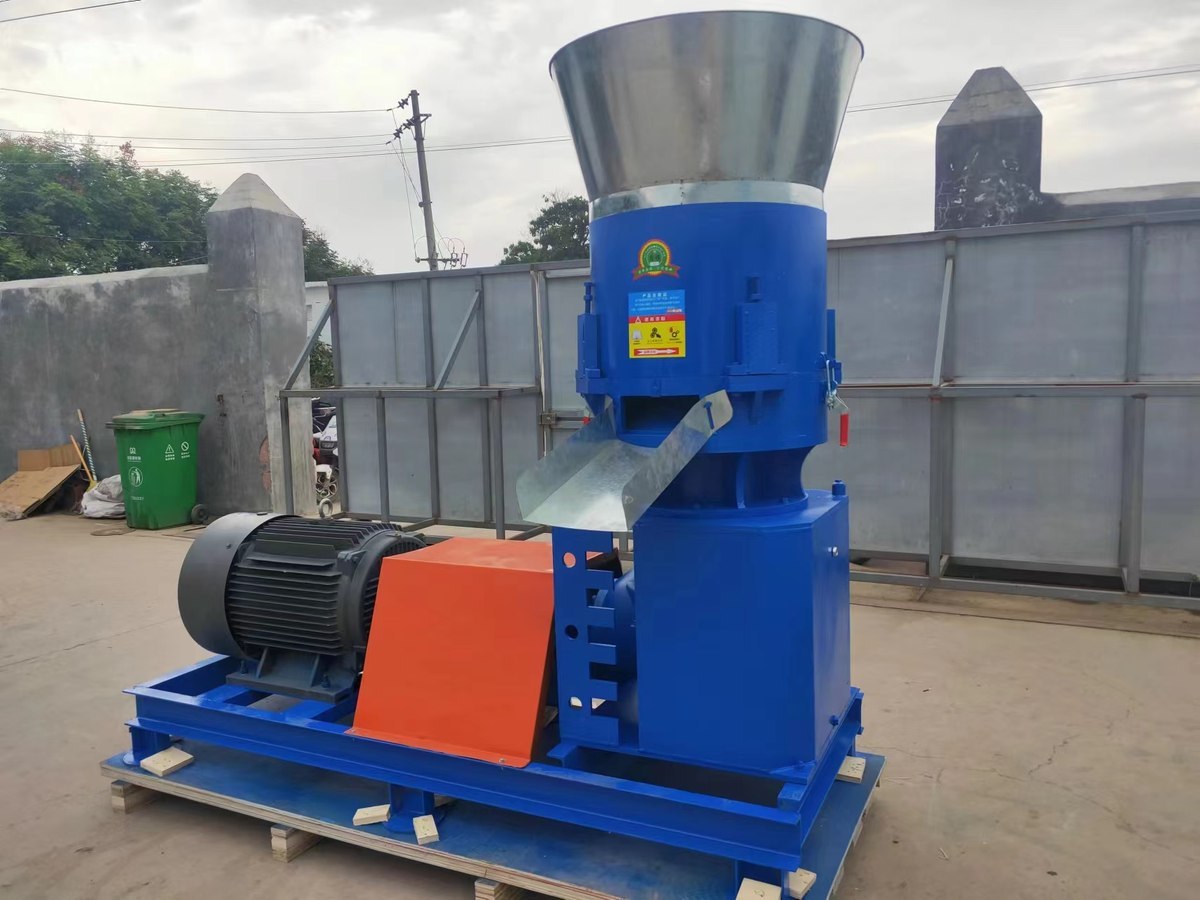
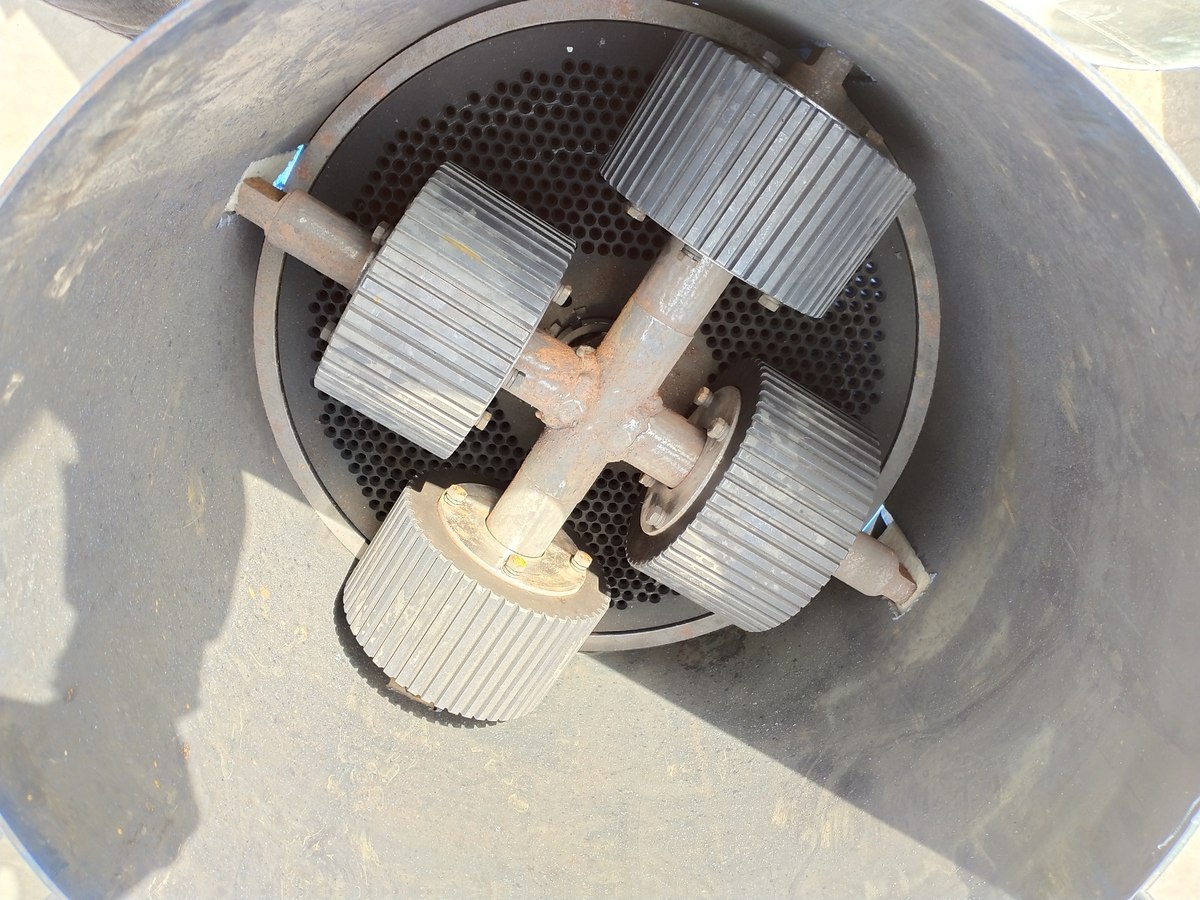
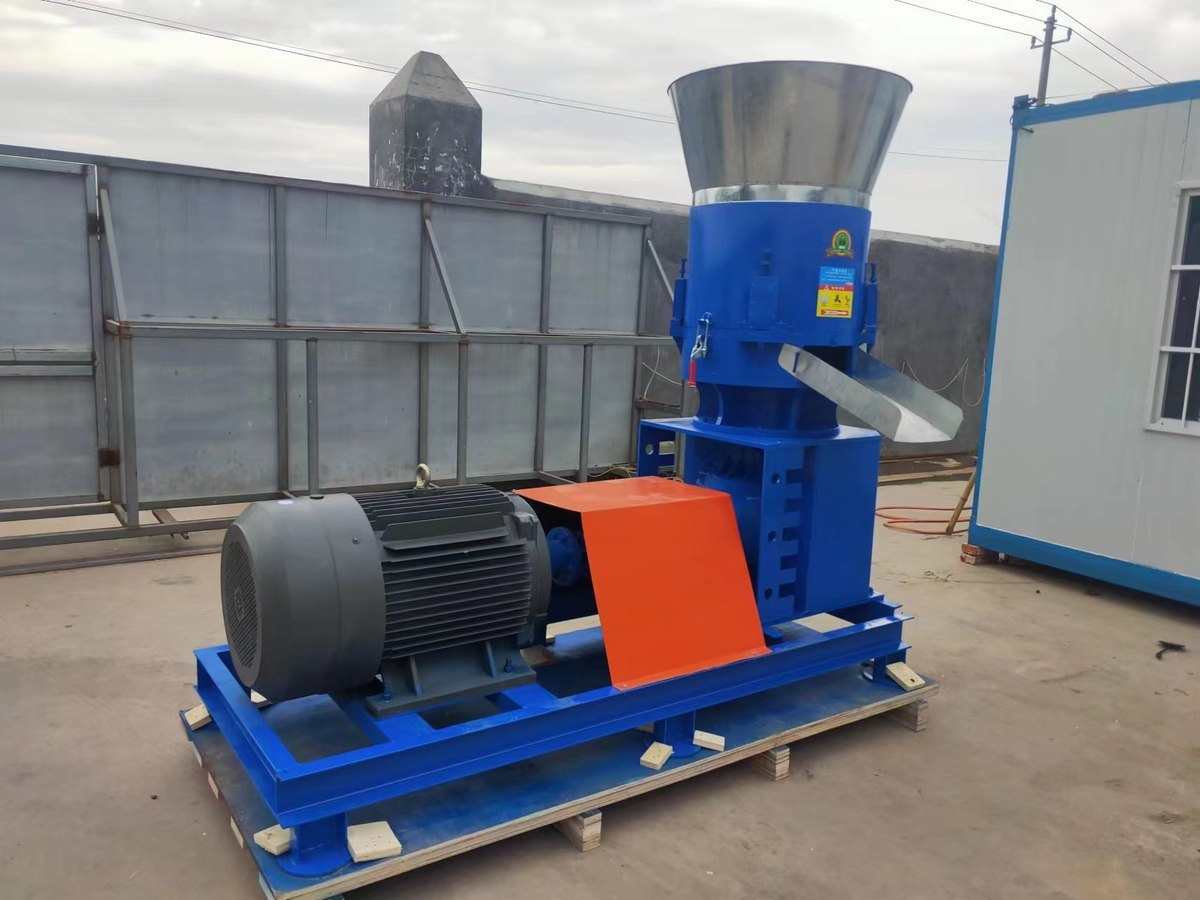
The flat-die pellet mill presses powder through a flat die with rollers, forming dense pellets without added binder. The powder feeds onto the die, the rollers squeeze it through the holes, and the pellets are cut to length at the exit. This is the lowest-cost entry into pellet production, suited to farms and trial production where a ring-die mill would be oversized. The die and the rollers are the working pair, and the machine is built for small-to-medium output with simple operation.
Quick check #1Tell us your powder type and target pellet size, and we will confirm the flat-die mill for your output.
2. Flat-die pellet mill die hole size and pellet diameter selection
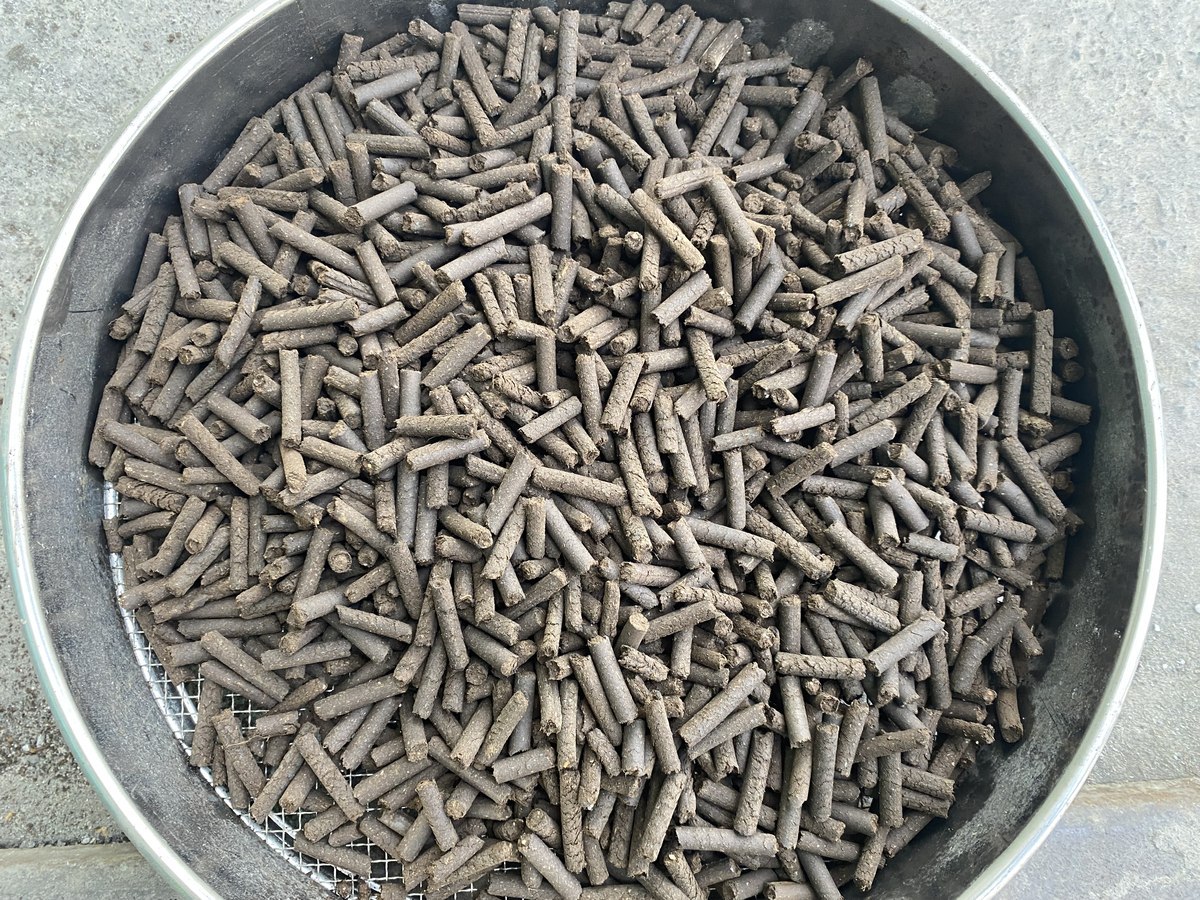
The die hole size sets the pellet diameter, and it is chosen for the product and the application. A smaller hole makes a finer pellet that dissolves or burns faster, while a larger hole makes a harder pellet for storage and transport. The die is a replaceable part, so one machine can run several pellet sizes by changing the die. We set the hole size for the product the customer buys, and the compression ratio is matched to the powder.
Quick check #2Send your target pellet diameter, and we will select the die hole size and compression ratio.
3. Flat-die pellet mill moisture requirements for stable pellet formation
The powder moisture decides whether the mill forms pellets or just crumbles. Too dry and the powder will not bind under the rollers; too wet and the die plugs and the pellets fall apart. The right moisture band is usually 12-18% for organic material, and it is adjusted before the mill. We state the moisture target for your powder and the pre-conditioning needed, because the mill presses but does not dry.
Quick check #3Tell us your powder moisture and whether you can pre-condition it, and we will set the target band.
4. Flat-die pellet mill capacity and duty cycle for small farms
The flat-die mill is a small-machine, and its capacity and duty cycle matter more than a peak number. It is built for intermittent or small continuous production, and running it beyond its duty wears the die and rollers fast. We size the mill for the daily pellet output a farm or trial line needs, with the cooling and packing matched downstream. The honest capacity is the sustained rate, not the peak.
Quick check #4Give us your daily pellet output, and we will select the mill size and the duty it should run.
5. Flat-die pellet mill die and roller wear and replacement
The die and the rollers are the two wear parts, and they are replaced as a pair because a worn roller on a new die, or the reverse, wears both faster. The replacement interval follows the material abrasiveness and the hours, and the parts are in stock. The daily check is to watch the pellet quality and the motor current, which signal when the die is wearing. Keeping the die and rollers matched is the simple habit that extends both.
Quick check #5Ask for the die and roller part numbers and intervals, and we will include them in the spare-parts list.
6. Flat-die pellet mill in an organic fertilizer pellet production line
The flat-die mill is the shaping stage in a small organic pellet line, fed by the crusher and mixer and followed by cooling and packing. Its output quality sets the pellet the customer sees, so it is configured with the upstream powder preparation and the downstream cooling. We design the small line around the mill, because the mill's capacity and pellet size decide the rest of the stages.
Quick check #6Send your organic powder and pellet target, and we will design the small pellet line around the flat-die mill.