In-depth buying guideCompost Turner: six decisions that determine your configuration
Work through these six angles before you request a quotation. Each angle ends with a 10-second check so you can confirm fit and give our engineers the right data the first time.
1. How to choose the right compost turner type for your windrow or groove composting operation
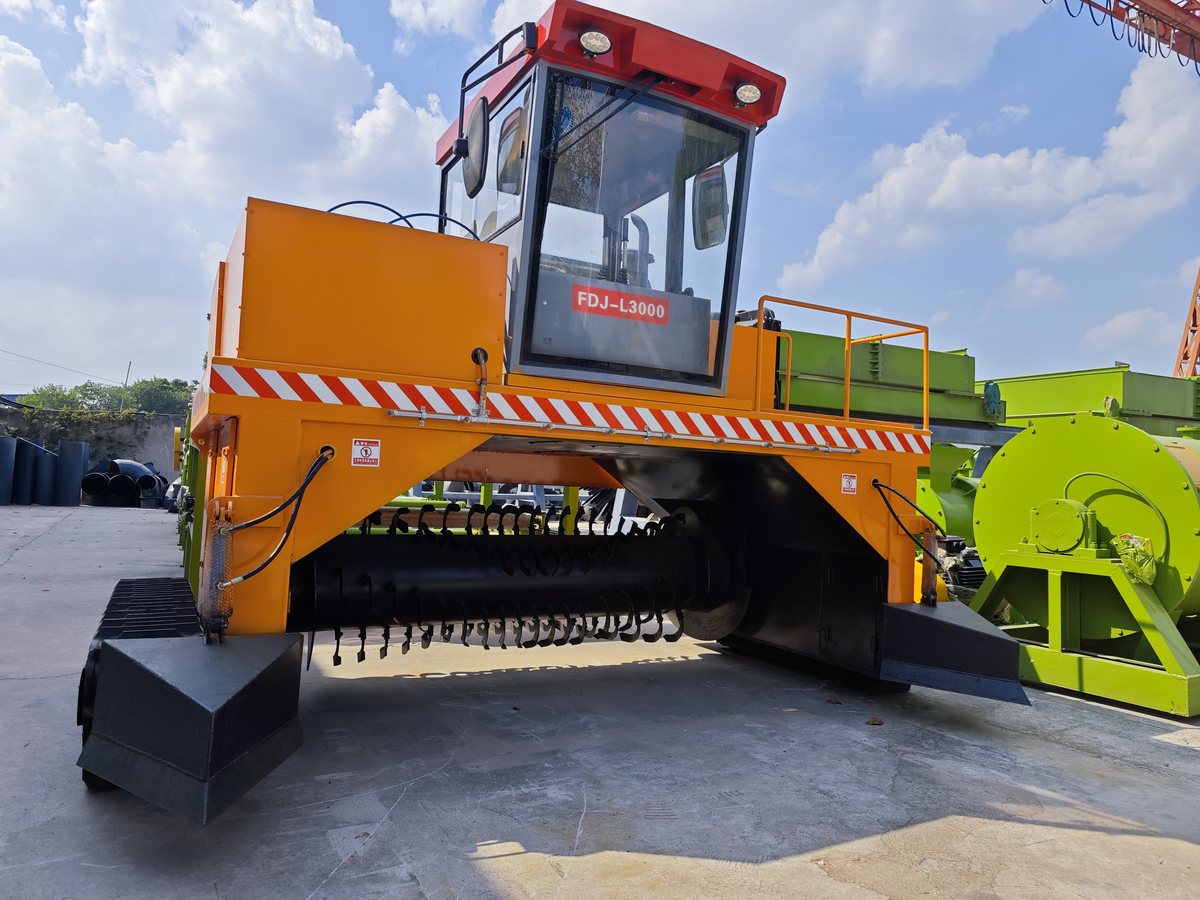
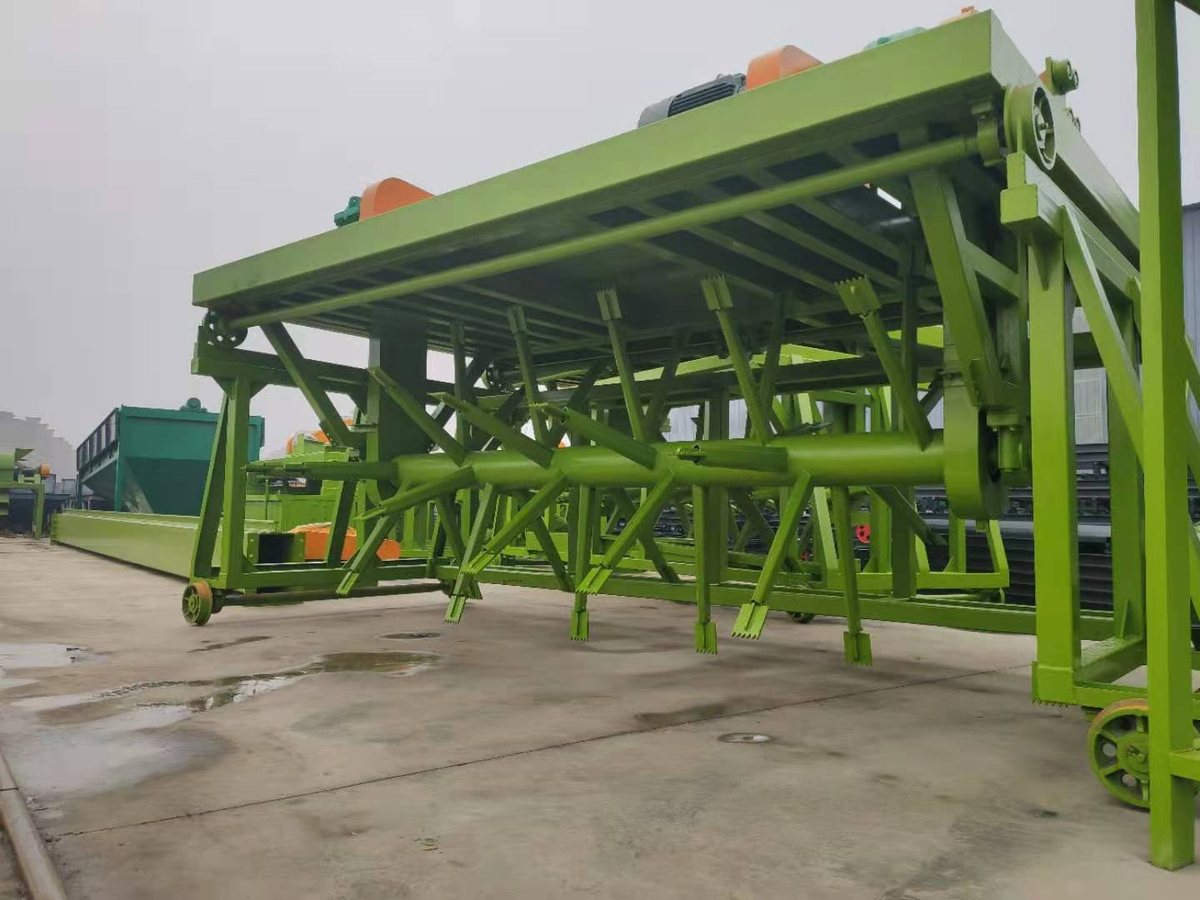
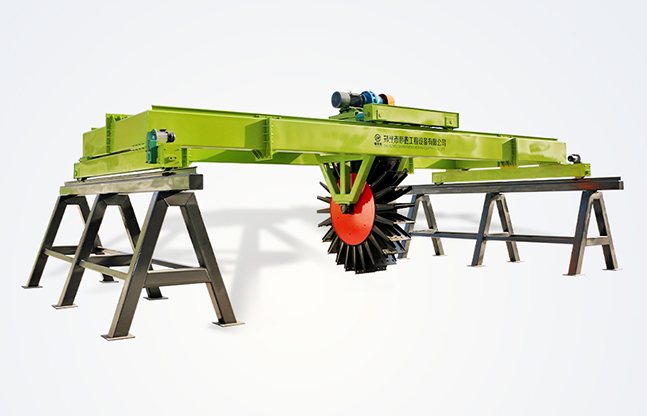
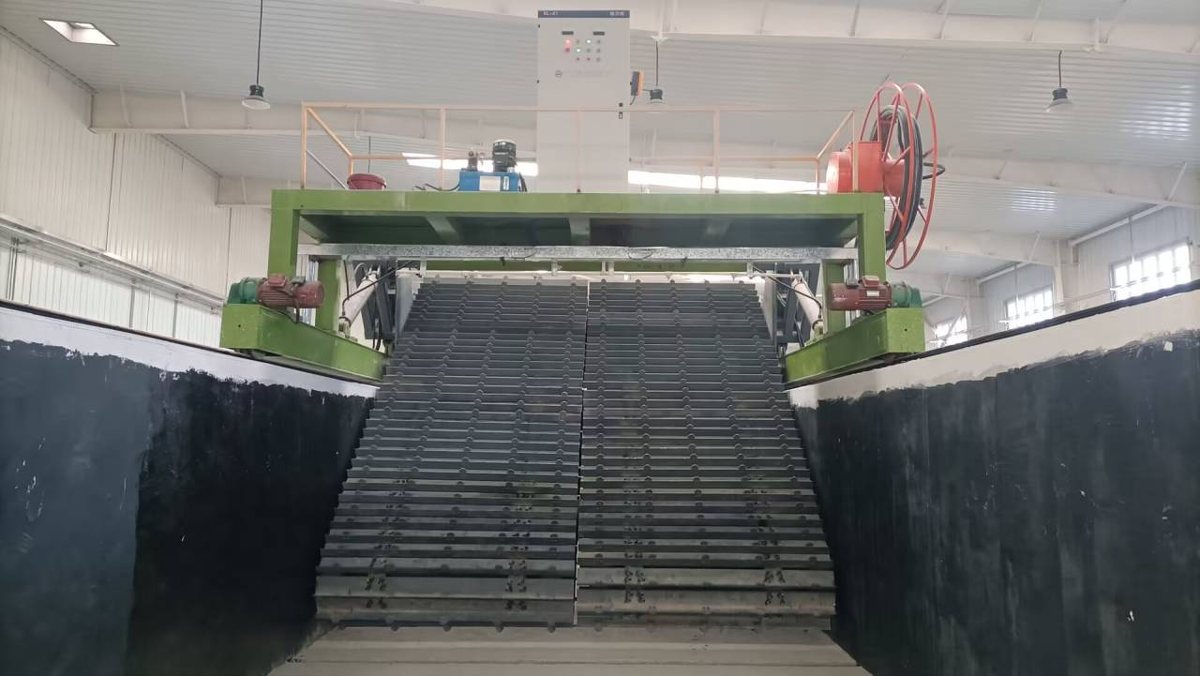
Compost turners come in five main types, and the wrong one costs you in fuel, labor or fermentation quality. A groove (turning) machine runs on rails above a walled channel and suits a fixed plant with high daily volume. A crawler (tracked) turner is self-propelled and moves between windrows, which suits open yards and multiple piles. A wheel-type turner is a lower-cost option for smaller yards. A towed turner is pulled by a tractor and suits farms that already own tractors. A chain-plate or walking turner handles specific pile shapes and very wet material. The decision is about three numbers: daily input volume, available yard space and whether you already have a tractor.
Quick check #1Tell us your daily compost input, whether you compost in windrows or channels, and whether you have a tractor, and we will recommend the type with a layout sketch.
2. Compost turner turning frequency and aeration for faster organic fertilizer fermentation
Turning is what supplies oxygen to the pile and controls temperature, so frequency directly sets fermentation speed and compost quality. In the first high-temperature phase, turning every 1-3 days keeps the pile aerobic and brings the outside material into the hot core; in the later maturing phase, turning every 5-7 days is enough. Too little turning starves the pile and creates anaerobic zones that smell, while too much turning cools the pile and dries it out. The turner's rotor also shreds clumps and evens out moisture, which is why a good turner shortens the fermentation from weeks to days. We provide a turning schedule matched to your material and climate, not a fixed template.
Quick check #2Send your material type and pile size, and we will give you a starter turning schedule with the moisture and temperature checkpoints.
3. Compost turner working width and pile height for stable windrow turning
Working width and pile height define the pile cross-section and therefore how much material the turner moves per pass. A wider rotor turns a wider windrow but needs more power; a taller pile holds more material per meter of yard but can compact at the bottom and go anaerobic. We size the turner so the pile stays in the aerobic band - usually 1.5-2.5 m wide and 0.8-1.5 m high depending on the material. The turner must match the pile you already build, or the pile must be rebuilt to match the turner; trying to turn a pile taller than the rotor reach leaves an unturned core at the bottom.
Quick check #3Give us your current pile width and height, and we will confirm the rotor width and whether you need to adjust the pile profile.
4. Compost turner rotor design and blade wear for fibrous manure and straw
The rotor is the working heart of the turner, and its blades take the abuse from fiber, grit and wet manure. We fit replaceable blades that are hard-faced for abrasive material, and the rotor speed is matched to the material so fiber is thrown and mixed rather than wrapped around the shaft. A slow rotor on heavy straw will wrap; a fast rotor on wet sludge will splash and throw material too far. Blade replacement is a routine job that keeps turning quality high - dull blades tear the pile instead of shredding it, which slows fermentation. We list the blades as a stocked wear part with the replacement interval for your material.
Quick check #4Tell us your material fiber content and moisture, and we will confirm the rotor speed and include the blade kit in the spare-parts list.
5. Compost turner power source: electric, diesel or tractor PTO for your compost plant
The power source changes both operating cost and site layout. An electric groove turner is the lowest running cost and fits a fixed plant with power at the channel, but it is limited to the channel length. A diesel crawler turner is self-propelled and flexible, at the cost of fuel and engine maintenance. A tractor PTO towed turner has almost no engine of its own, which is the cheapest purchase when you already run tractors, but it ties up a tractor during turning. The right choice follows your daily volume and yard design: fixed plants go electric, open yards go diesel, farms go PTO.
Quick check #5Tell us whether your site has three-phase power and whether you own tractors, and we will price the electric, diesel and PTO options side by side.
6. Compost turner in an organic fertilizer production line: from windrow to granulation
The turner is the front end of an organic fertilizer line, and its output quality determines everything downstream. Well-turned compost is uniform in moisture and particle size, which lets the crusher and granulator run without jams and produce a consistent pellet. Poorly turned compost arrives wet and lumpy, forcing the dryer to work harder and the granulator to recycle more. We configure the turner, crusher and granulator as one chain so the fermentation stage delivers material the shaping stage can use. In a complete project we also position the turner yard next to the crusher feed so transfer distance is short and the material does not re-absorb rain.
Quick check #6Send your daily compost output and final fertilizer capacity, and we will design the fermentation-to-granulation chain with the turner at the front.