In-depth buying guideRotary Screening Machine: six decisions that determine your configuration
Work through these six angles before you request a quotation. Each angle ends with a 10-second check so you can confirm fit and give our engineers the right data the first time.
1. Rotary screening machine working principle for fertilizer granule classification
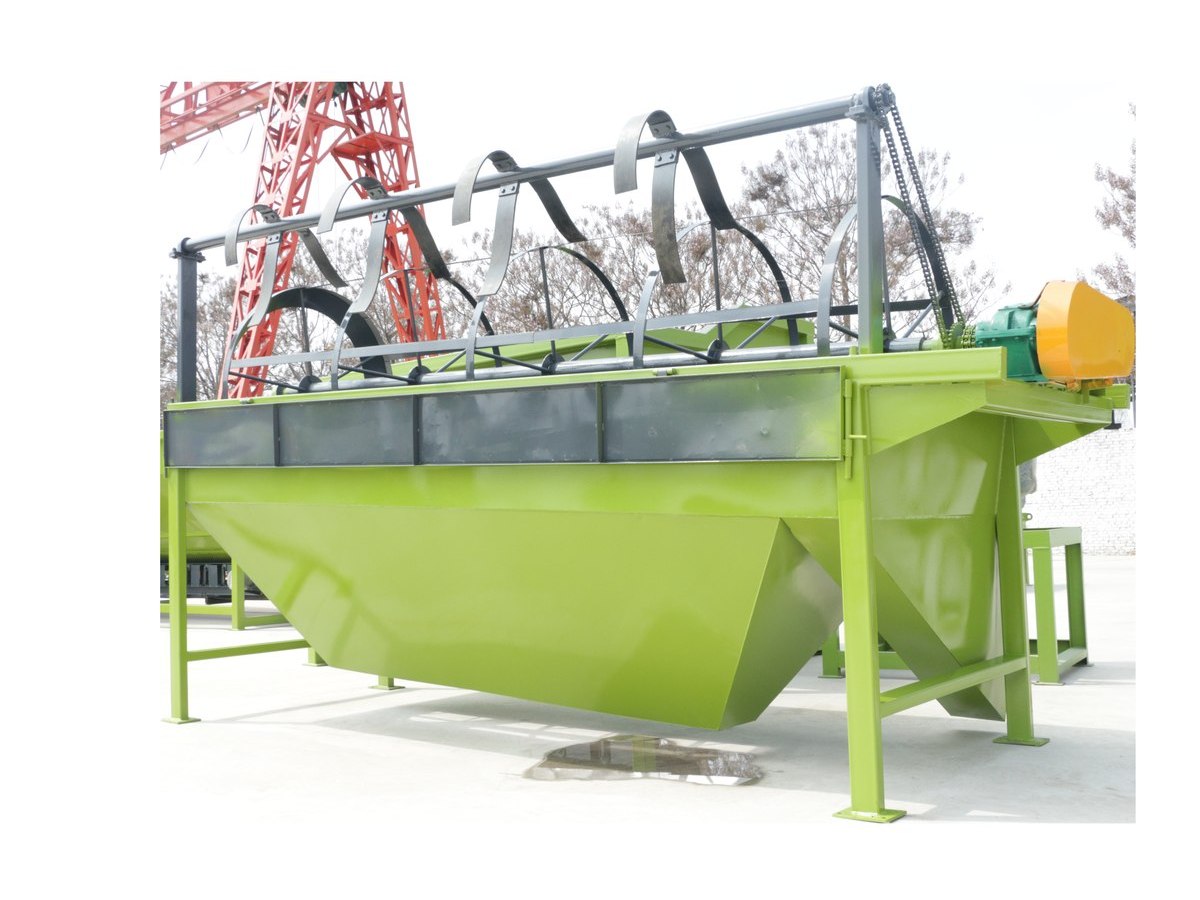
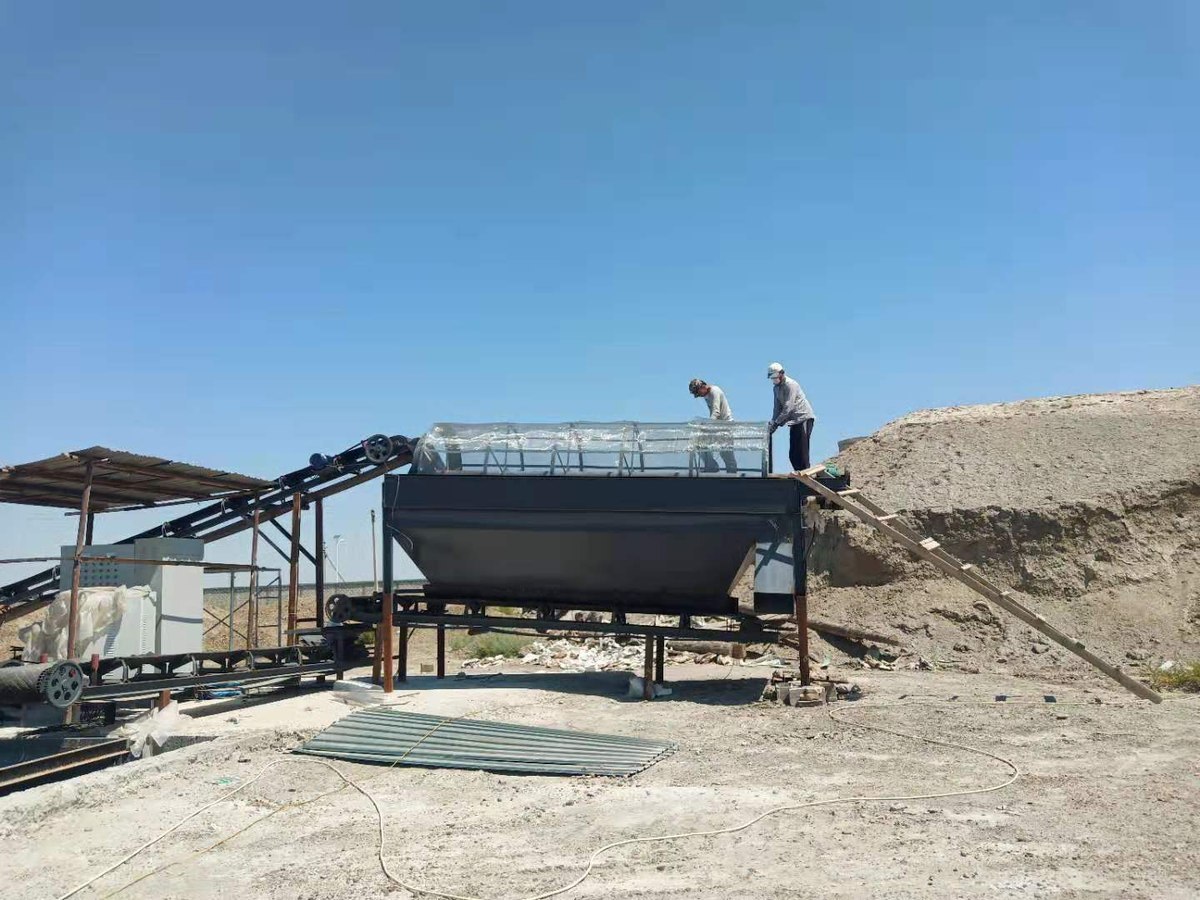
The rotary screener classifies the finished granules into product, fines and oversize, which is the quality gate before packing. The drum rotates and the granules pass over the mesh, with the on-size product falling through and the oversize exiting at the end. The fines and oversize are returned to the granulator as recycle, which is what keeps the granulation loop stable. The screener is the stage that decides what actually gets packed, so its mesh and speed are set for the granule size band.
Quick check #1Tell us your granule size band, and we will set the screen mesh and drum speed for the classification.
2. Rotary screener mesh selection for product, fines and oversize separation
The mesh size decides the product band, and it is set from the granule size the customer buys. The on-size mesh passes the product, a finer mesh catches the fines below, and the oversize exits the drum end for crushing. We set the mesh for the target granule size and the recycle load, because a mesh that is too tight increases the recycle and a mesh that is too loose lets oversize into the product. The mesh is a wear part and is replaced on schedule.
Quick check #2Send your target granule size and the recycle you can accept, and we will set the mesh for the right band.
3. Rotary screener capacity and closed recycle loop in granulation
The screener is sized for the granulator output plus the recycle load, because the recycle returns through the screen again. The closed loop means the screen sees more than the fresh product, and an undersized screener becomes the granulation bottleneck. We size the drum diameter and length for the live load, so the screen classifies steadily and the recycle loop stays balanced. This is the stage that stabilizes the whole granulation plant.
Quick check #3Give us your granulator output and recycle ratio, and we will size the screener for the live load.
4. Rotary screener dust control and gentle handling of granules
Screening generates dust at the drum, and the granules can break if the drum is too aggressive. We fit the screener with dust collection and set the drum speed so the granules roll gently over the mesh rather than being thrown. The gentle handling protects the granule size, and the dust collection keeps the screening hall clean. The screen is the wear item, and the daily check is to watch the product band and the recycle load.
Quick check #4Tell us your dust limit, and we will size the screening dust collection and set the gentle drum speed.
5. Rotary screener in the drying-cooling-screening chain
The screener follows the cooler in the granulation chain, receiving cool, dry granules and classifying them before coating and packing. The chain is sized so the dryer and cooler deliver the granules at the moisture and temperature the screener needs, and the screen then returns the recycle. We configure the three stages as one chain, because a screener fed with hot or wet granules smears and its classification fails.
Quick check #5Send your dryer and cooler arrangement, and we will place the screener in the chain.
6. Rotary screener spare parts and maintenance
The wear parts on a rotary screener are the mesh, the drum support rollers and the drive components, and they are replaced on schedule. The mesh is the fastest-wearing item, and a worn or torn mesh lets oversize into the product or fines into the recycle. The daily check is to inspect the mesh and to watch the product band, and the parts are bolt-in items. We keep the mesh and rollers in stock.
Quick check #6Ask for the screener spare-parts list, and we will include the mesh and rollers with their intervals.