In-depth buying guideDouble-Roller Extrusion Granulator: six decisions that determine your configuration
Work through these six angles before you request a quotation. Each angle ends with a 10-second check so you can confirm fit and give our engineers the right data the first time.
1. Double roller extrusion granulator working principle for dry compound fertilizer granulation
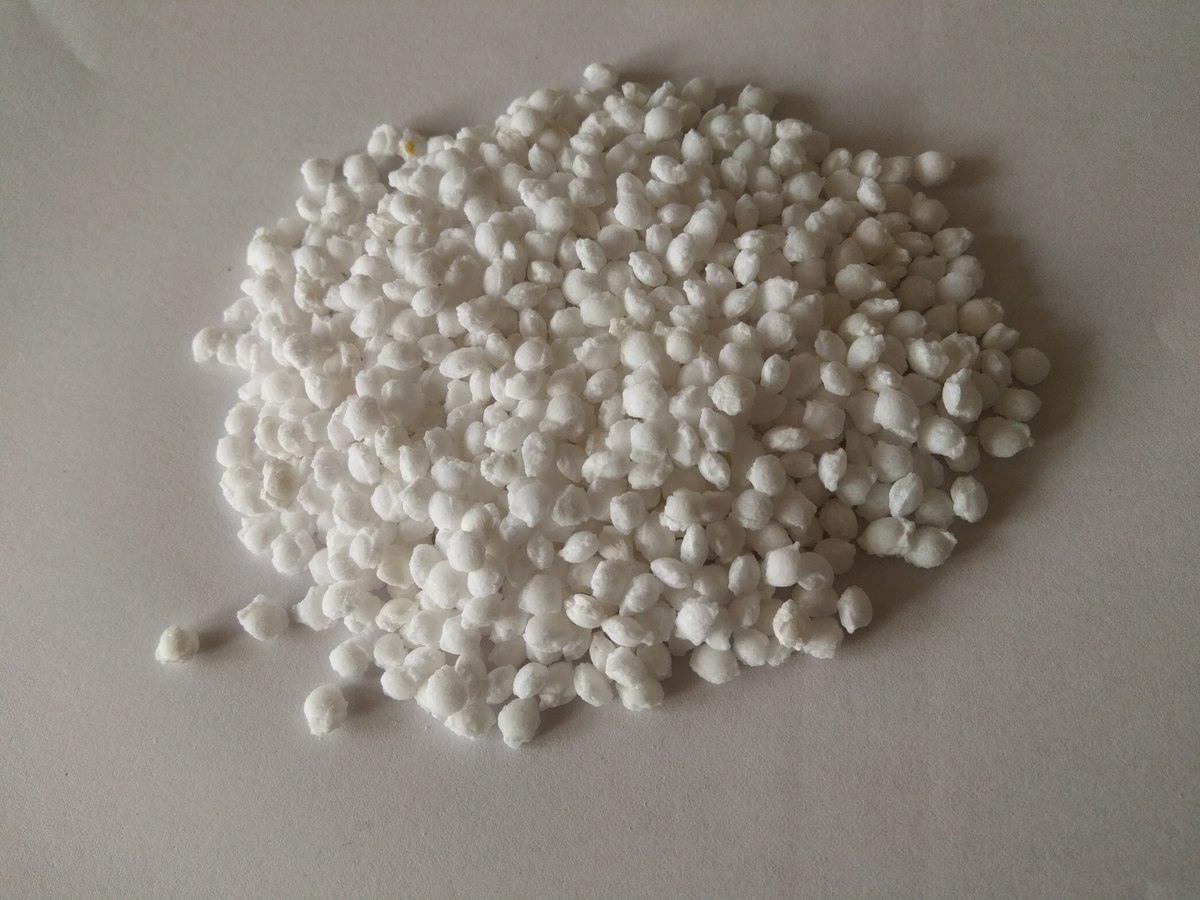
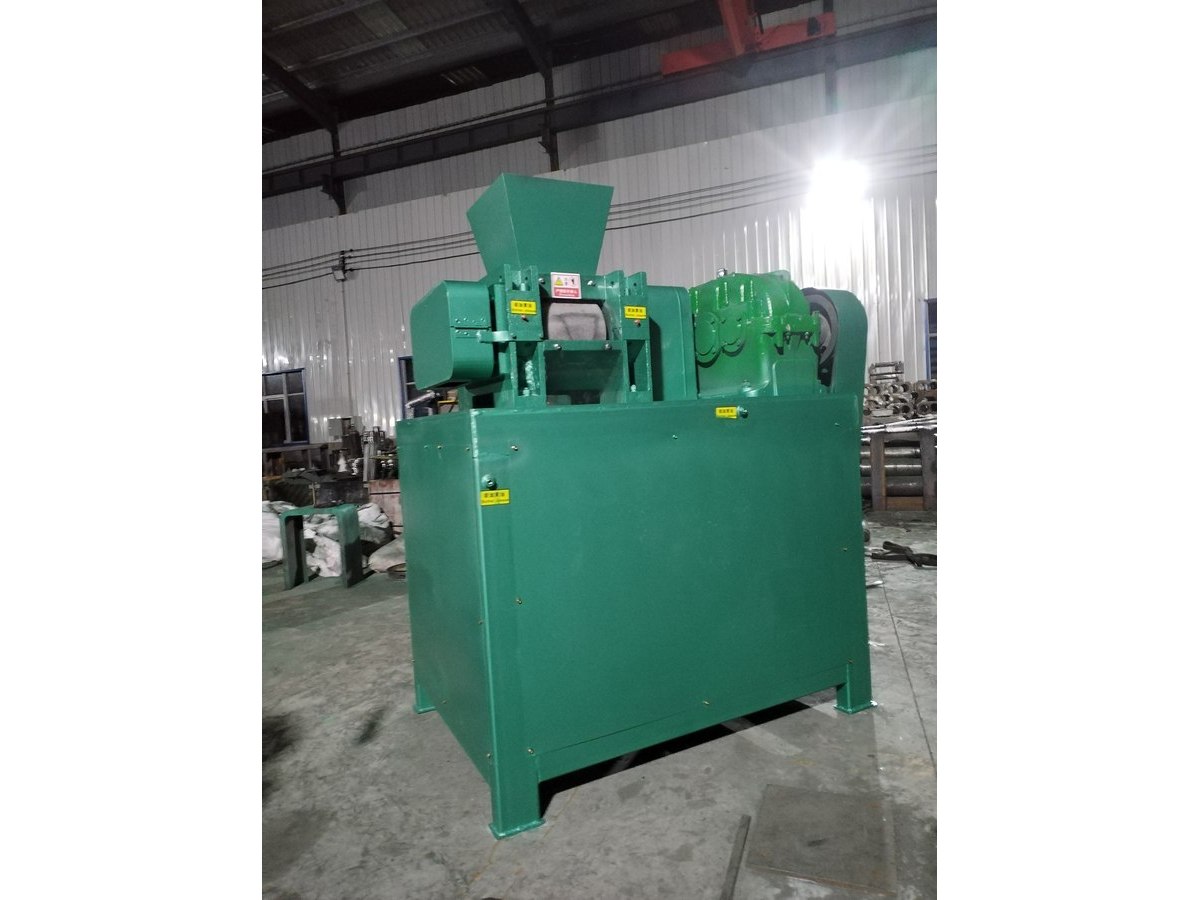
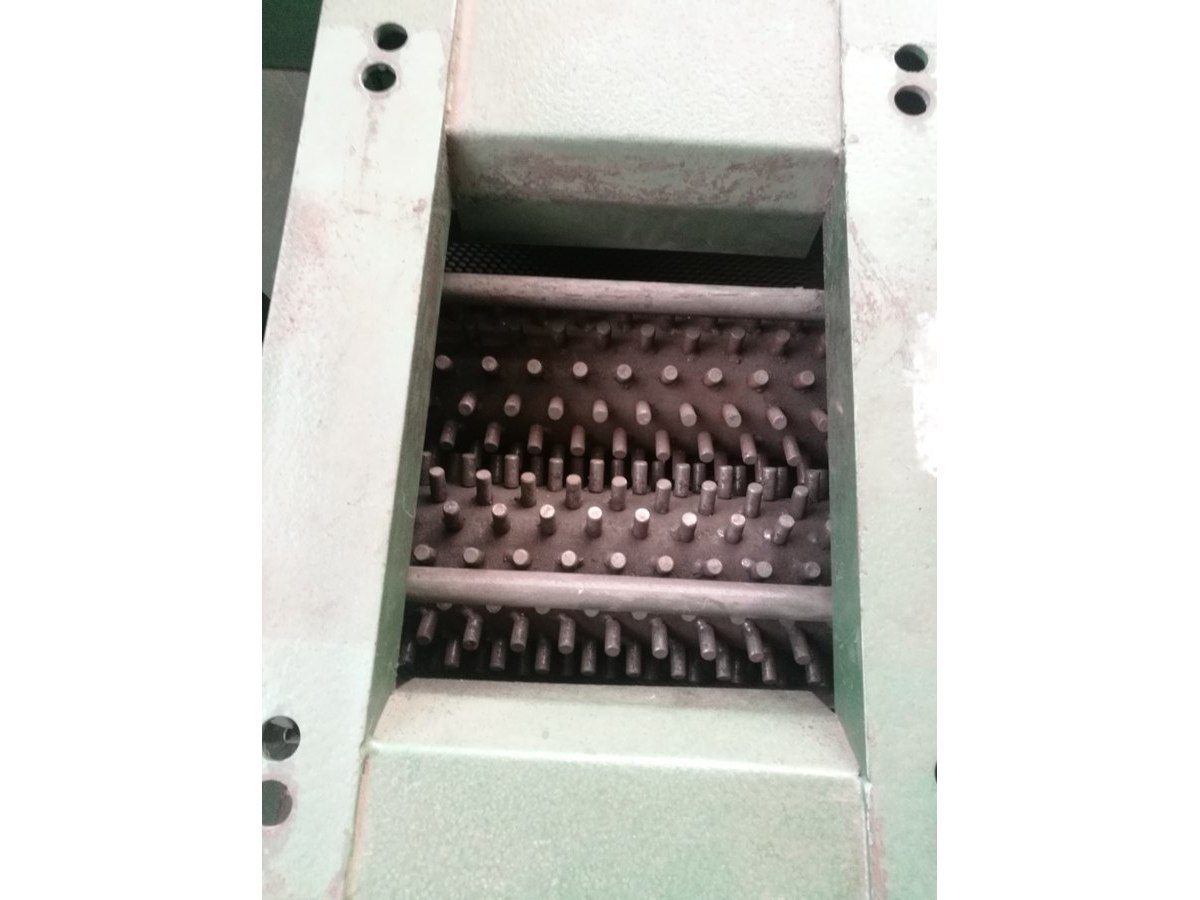
The double-roller extrusion granulator is a dry route: two counter-rotating rollers press the powder into a compacted sheet, which is then broken by a granule crusher and graded by a screen into uniform granules. Because there is no water added, there is no dryer, which cuts energy, footprint and the risk of caking on moisture-sensitive formulas. The roller surface can be smooth or shaped; shaped rollers with dimples form pre-sized briquettes that crush into a tighter granule band. The process suits ammonium sulphate, potassium chloride, NPK blends and other materials that degrade when wet. The key to good granules is uniform feeding - a starved roller makes a weak sheet and a high recycle rate.
Quick check #1Tell us your powder formula and whether it is moisture-sensitive, and we will confirm the roller surface type and whether the dry route is right for you.
2. Double roller extrusion granulator roller gap and pressure settings for uniform granules
Roller gap and hydraulic pressure decide sheet density and therefore granule hardness. A tighter gap and higher pressure make a denser, harder sheet that crushes into stronger granules, but too much pressure overloads the bearings and wears the roller shells. A wider gap makes a softer sheet, weaker granules and more fines. For most compound fertilizers we set the pressure in a band that produces 85-95% product-size granules after crushing and screening, with the remainder recycled. The gap is adjustable, and we provide a starter setting per formula so operators do not have to discover it by trial. Maintaining a consistent feed rate matters more than the exact number - pressure swings are what make the product band wander.
Quick check #2Provide your target granule hardness (if known) and formula, and we will pre-set the gap and pressure band with a startup procedure.
3. Double roller extrusion granulator vs wet granulation: energy and footprint comparison
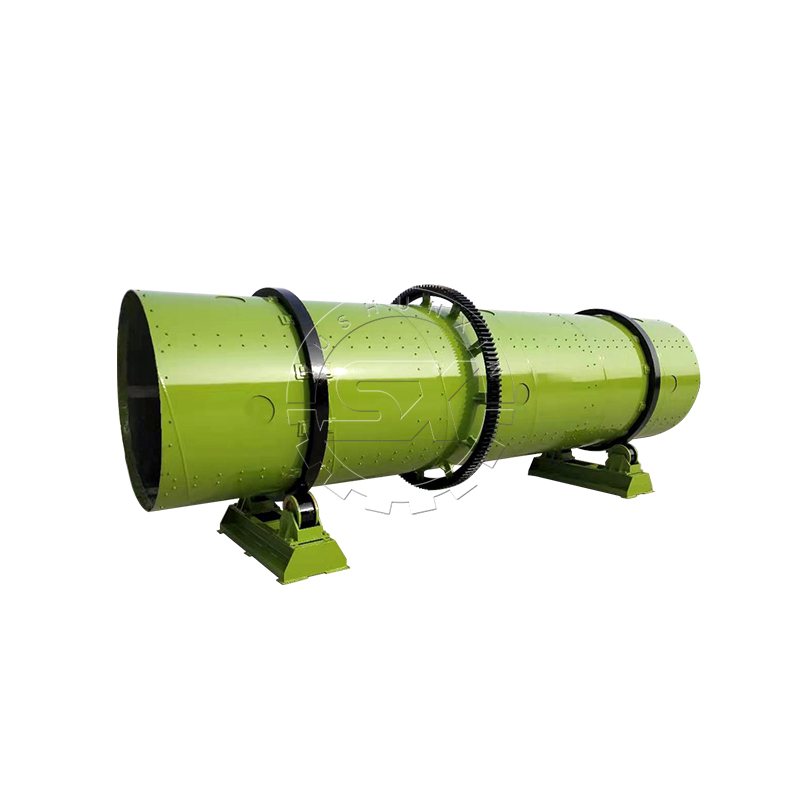
Dry granulation wins when your material is moisture-sensitive or when energy and space are tight, because it removes the dryer, hot air system and the fuel bill. The trade-off is that dry granules are usually more angular and less round than wet granulation, and hardness comes from compaction rather than crystal bridging. For NPK with a moisture-tolerant formula, wet rotary-drum granulation produces rounder, harder granules and is still the standard for large plants; for ammonium sulphate, potassium chloride and many specialty compounds, the dry roller route is cleaner and cheaper. We compare the two on energy per ton, floor area and product shape, then recommend the route that matches your market's granule expectations.
Quick check #3Tell us whether your customers expect round granules or accept angular granules, and we will run the wet-vs-dry comparison for your formula and output.
4. Double roller extrusion granulator roller shell material and replacement interval
The roller shells are the main wear part and the largest maintenance cost. They are made from wear-resistant alloy steel and can be re-surfaced or replaced; the replacement interval depends on material abrasiveness and operating hours, typically several thousand hours for standard compound powders. Shaped rollers wear faster than smooth rollers because the dimple edges are the contact points. We keep replacement shells in stock and mark the wear limit so you can plan the change during a scheduled stop instead of running to failure. Lubricating the main bearings and checking the hydraulic system pressure are the two daily habits that extend shell life.
Quick check #4Ask for the roller shell part number and expected life for your formula, and we will include it in the spare-parts list with a re-order lead time.
5. Double roller extrusion granulator feed system and anti-bridging for fine powders
Fine powders bridge and rat-hole in the hopper, which starves the rollers and ruins the sheet. The fix is a force-feeding screw or an agitator in the hopper that keeps powder flowing into the nip at a constant rate. The screw is driven by a variable-speed motor so the feed matches the roller speed, and it is sized for powders with poor flowability such as fine KCl and ammonium sulphate. Without this, the line runs in surges and the recycle rate climbs. We include the force feeder as standard on the roller granulator rather than as an option, because it is the difference between a stable granule band and a line that needs constant attention.
Quick check #5Tell us your powder particle size and flowability, and we will confirm the force-feeder type and motor size in the quotation.
6. Double roller extrusion granulator in a complete dry granulation plant with screening and recycle
A dry granulation plant is a loop: feed hopper, force feeder, roller press, granule crusher, screen and recycle conveyor. The screen is the heart of quality control - undersize goes back to the feed as recycle, oversize goes to a crusher and returns, and only the on-size band moves to packing. We engineer the recycle ratio in the process design so the rollers always see a steady blend of fresh powder and recycle. Because there is no dryer, the plant is compact and starts and stops quickly, which suits small and medium compound lines. The complete dry route also has fewer emission points, which simplifies environmental compliance.
Quick check #6Send your capacity and granule size, and we will draw the dry-granulation loop with the screen and recycle stages balanced around the roller press.