In-depth buying guideRotary Drum Granulator: six decisions that determine your configuration
Work through these six angles before you request a quotation. Each angle ends with a 10-second check so you can confirm fit and give our engineers the right data the first time.
1. Rotary drum granulator capacity sizing for continuous NPK compound fertilizer production
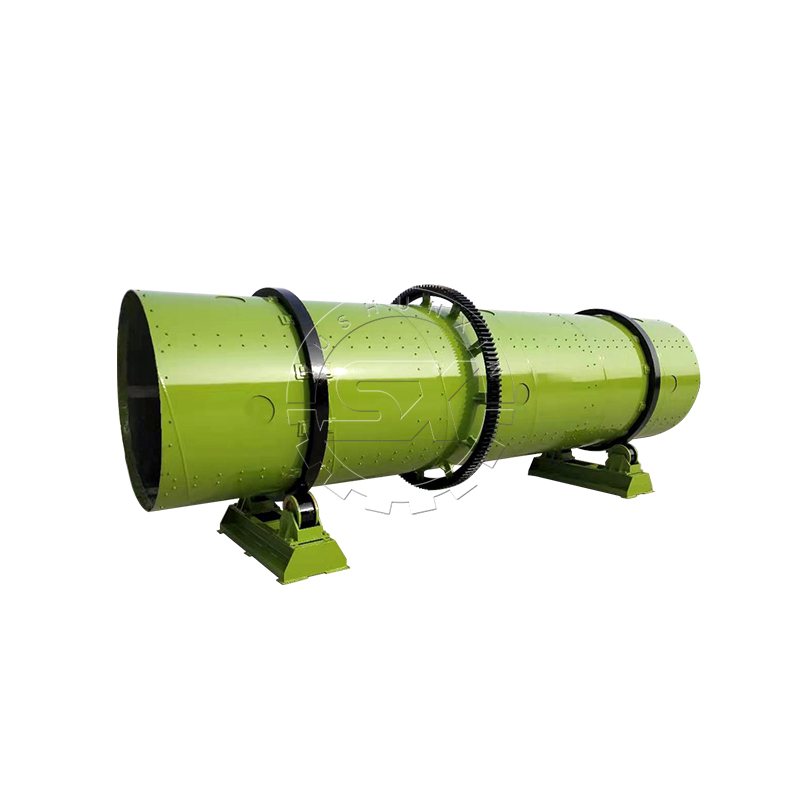
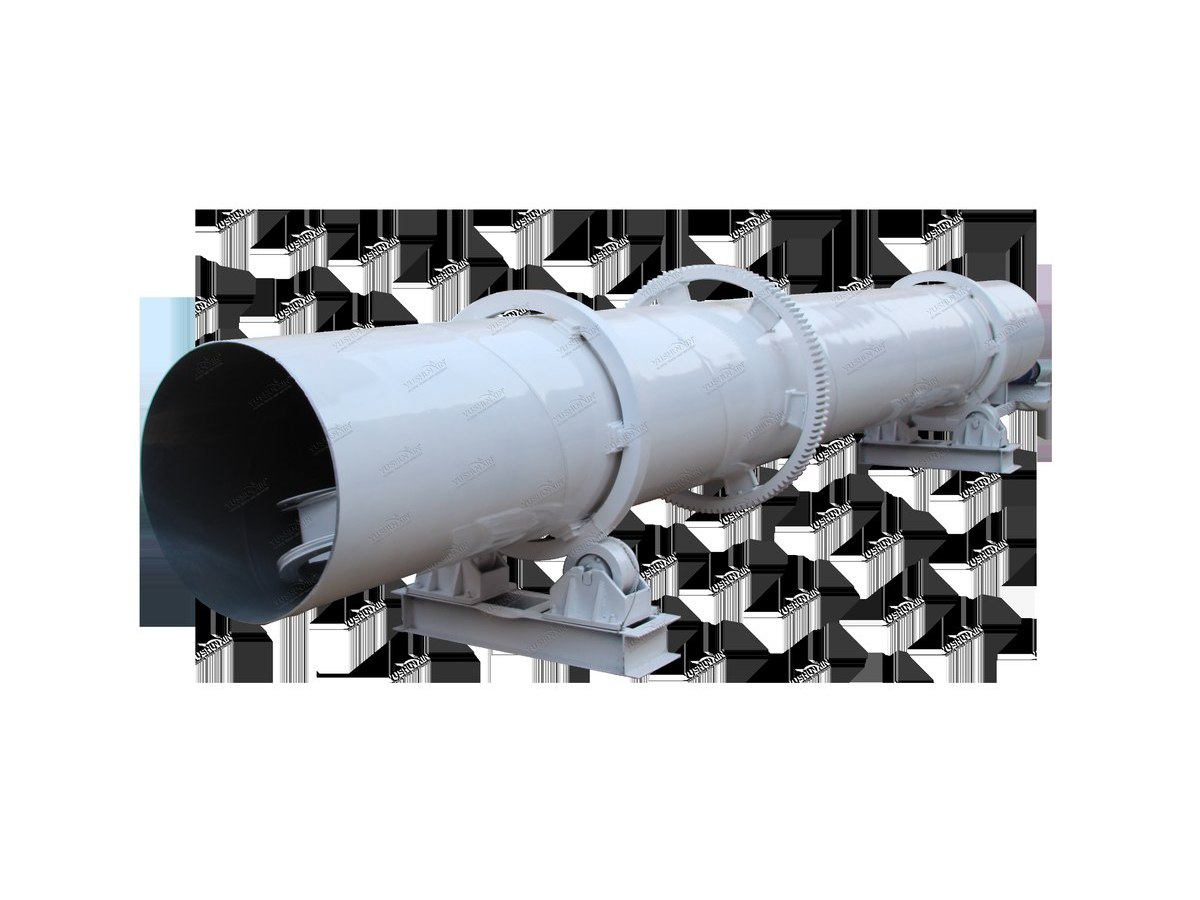
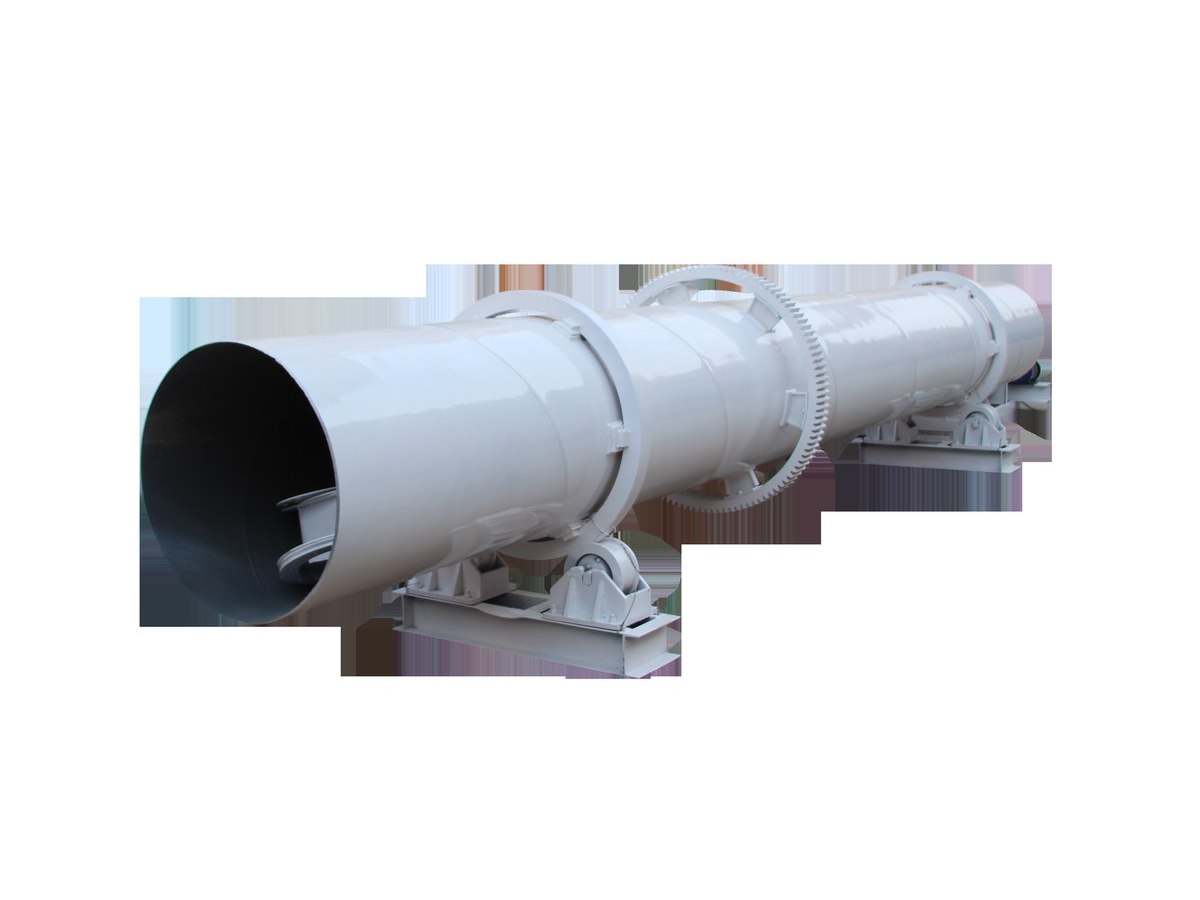
A rotary drum granulator is a continuous machine, so sizing is about residence time, fill level and drum volume, not a simple t/h sticker. The drum must hold the material long enough for powder to roll into granules under the spray, which is why we size diameter and length from your formula, moisture and target granule size. A 1.2 m x 4 m drum suits roughly 2-5 t/h for standard NPK, while a 1.8 m x 6 m drum handles 8-15 t/h; the exact number moves with bulk density and recycle load. The drum is always specified with the recycle loop, because the undersize and oversize that come back from the screen change the live load inside the drum. Undersizing the drum is the most expensive mistake - it forces low moisture, weak granules and a high recycle rate that eats the capacity you thought you bought.
Quick check #1Provide formula (e.g. NPK 15-15-15), target granule size 2-4 mm, and required output in t/h, and we will size diameter x length with the recycle ratio.
2. Rotary drum granulator steam and liquid binder injection for harder fertilizer granules
Steam and binder injection turn a simple rolling drum into a proper granulation reactor. Steam preheats the powder, activates the binder and softens the particles so they knit together, producing harder granules than water alone. A spray pipe with evenly spaced nozzles runs along the drum axis and must be aimed at the rolling bed, not the shell. For NPK we often combine steam with a urea or acid solution; for organic compound granules a lignosulfonate or clay slurry works better. The injection rate is tied to the feed rate and the dryer capacity, because every kilogram of steam and binder must be evaporated downstream. Getting this balance right is why we always deliver the drum, spray system and dryer as one matched set rather than selling the drum alone.
Quick check #2Tell us whether you have steam available on site and which binder you plan to use, and we will include the spray system and its controls in the scope.
3. Rotary drum granulator vs disc granulator for high-volume NPK plants
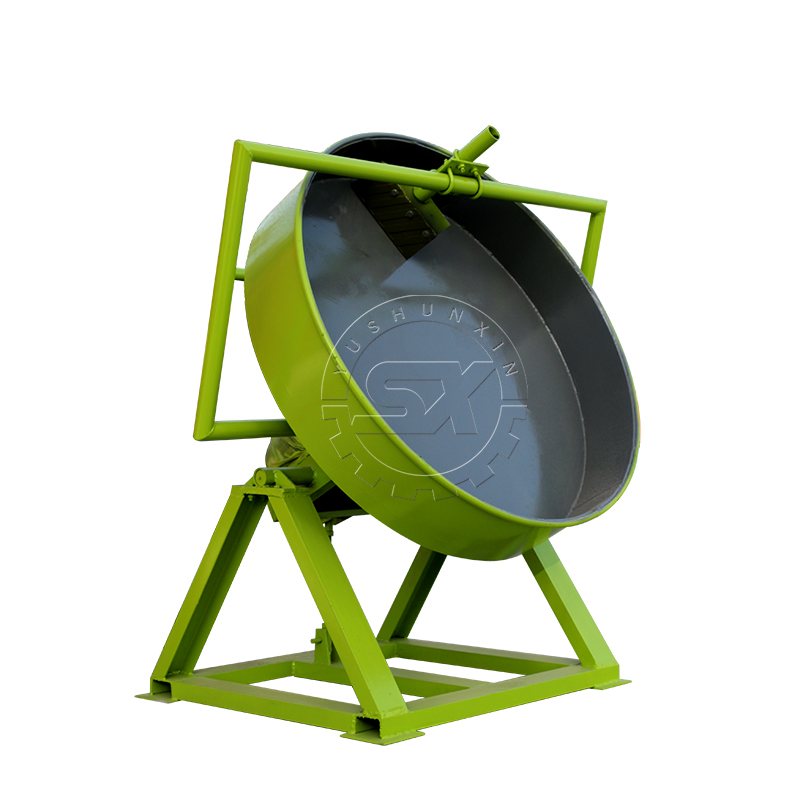
For a plant running one or two high-volume NPK grades, the rotary drum usually wins on throughput, dust containment and granule strength, while the disc wins on visibility, formula flexibility and lower cost. The drum is enclosed, so it contains dust and ammonia released by the reaction, which matters for plant hygiene and safety. Its longer residence produces rounder, harder granules that survive drying, screening and bagging with less breakage. The trade-off is that a drum is harder to clean between grades and less forgiving of a wrong moisture setting. If you run 10+ t/h of a stable formula, choose the drum; if you run small batches or change grades daily, keep a disc. We often put a disc in front of the drum as a pre-granulator for difficult powders.
Quick check #3Share your highest-volume grade, how often you change formulas, and your dust-control requirement, and we will recommend the route with the operating-cost comparison.
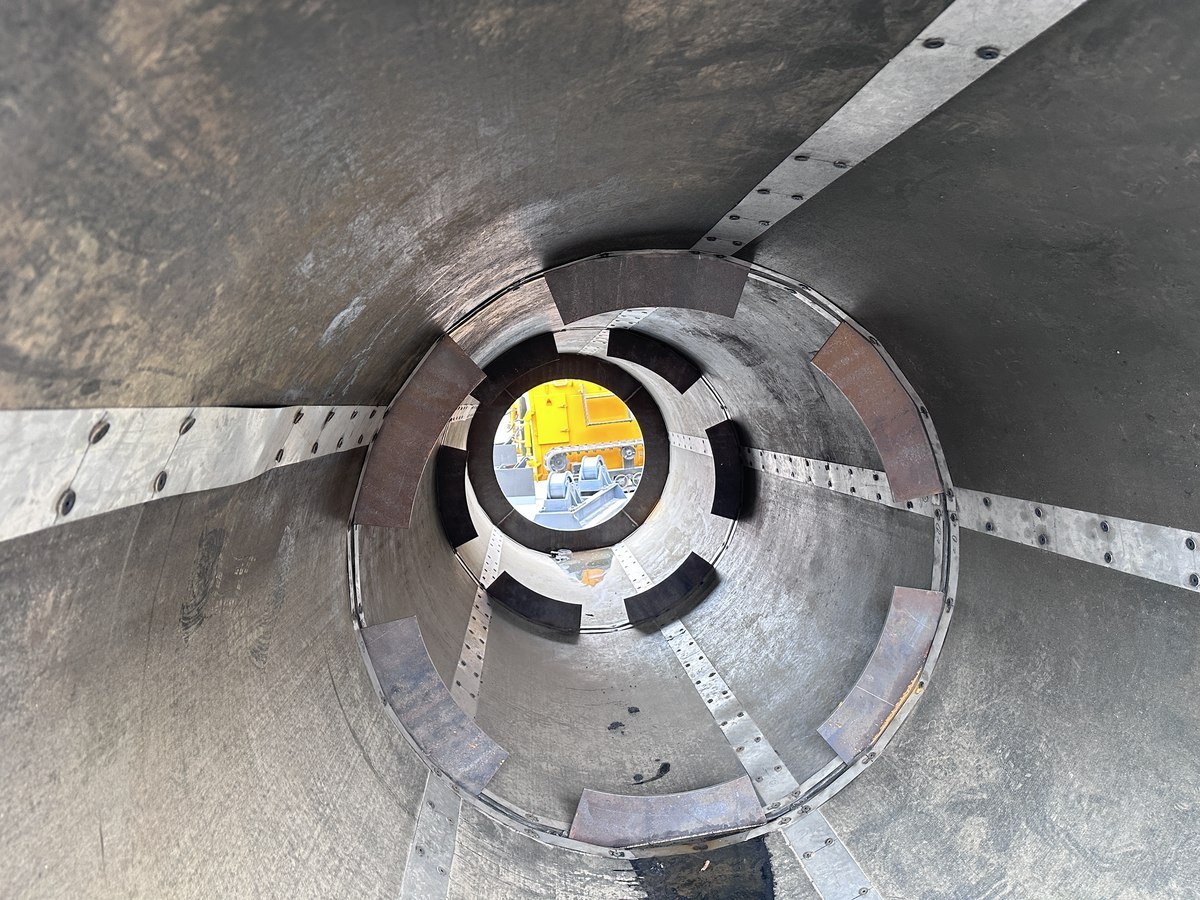
4. Rotary drum granulator drum lining and internal scraper design to reduce material build-up
Build-up on the drum wall steals working volume and forces a shutdown for manual cleaning. The solution is a combination of the right lining and an internal scraper. For most NPK powders a rubber lining is the best balance of anti-sticking, wear and noise; for abrasive minerals we use a wear-resistant steel liner, and for sticky organic blends a combination of rubber liner and internal scraper bars. The scraper rides close to the shell and continuously lifts the caked layer, which keeps the drum round and the bed moving. Keeping the scraper gap correct and replacing worn scraper tips on schedule is cheaper than letting a thick layer form and then chipping it out with the line stopped.
Quick check #4Tell us your formula stickiness and we will specify the lining type and scraper arrangement, with the scraper tips listed as a stocked wear part.
5. Rotary drum granulator drive power and inclination angle for stable rolling bed
Drive power and drum inclination control the rolling bed and residence time. A steeper inclination moves material through faster and suits fine, fast-granulating powders; a shallower angle holds the bed longer for slow formulas and harder granules. The drive is sized for the full drum plus the wet load, with a variable-speed option so operators can tune residence without changing the structure. A drum that is under-powered will stall when the bed gets wet and heavy, which is exactly when it must keep turning. We fit an inverter on most compound lines so speed changes are made from the control panel rather than by changing pulleys.
Quick check #5Provide your required residence time or let us calculate it from your formula, and we will confirm motor power and the recommended inclination and speed band.
6. Rotary drum granulator integration with dryer, cooler and screen in a complete NPK line
The drum granulator only works as part of a loop: dryer, cooler, screen and recycle conveyor. Wet granules leave the drum at 10-14% moisture and must be dried to 2-3% before screening, otherwise they smear the screen. The screen returns undersize as recycle seed and sends oversize to the crusher, and both come back to the drum - this recycle is what makes the drum granulation stable, not a defect. The cooler then drops the granules below 35 deg C before coating and bagging. We engineer the transfers short and gentle so newly formed granules are not broken, and we balance the recycle ratio in the process design so the drum is never starved or flooded.
Quick check #6Send your target final moisture, granule size and cooling requirement, and we will draw the full loop with the recycle and cooling stages sized to match.