In-depth buying guideDisc Granulator: six decisions that determine your configuration
Work through these six angles before you request a quotation. Each angle ends with a 10-second check so you can confirm fit and give our engineers the right data the first time.
1. How to choose disc granulator pan diameter for your NPK and organic fertilizer output
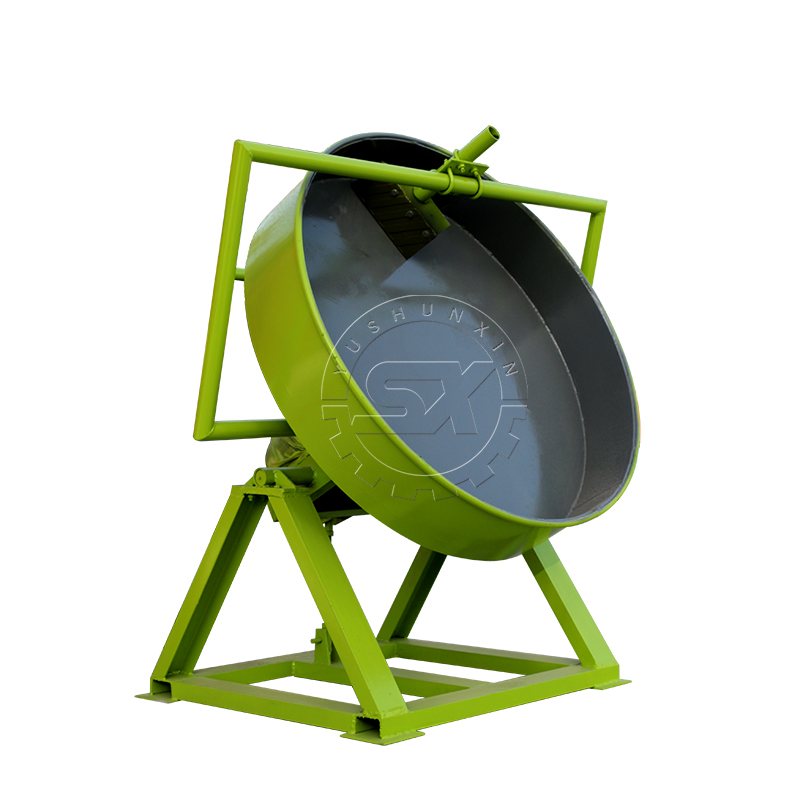
Pan diameter is the first decision, because it sets the rolling volume, the granule size band and the machine footprint in one number. A 1.5 m pan gives a compact footprint and is easy to feed from a small mixer, which suits pilot plants and 1-2 t/h lines. A 2.2 m pan holds more material in the rolling bed and stabilizes the granulation zone, which is why it is the most common choice for a 2-5 t/h NPK or organic granulation line. A 3.2 m or 4.0 m pan is for continuous, higher-throughput plants, but it needs more headroom, a stronger foundation and careful feeding so the bed does not collapse. Match the pan to the feeder and the downstream dryer, not just to the nominal output: an oversized pan on a small feeder produces a thin, unstable bed, while an undersized pan on a large feeder overflows. The practical rule we apply is to keep the pan load between 50% and 70% of its volume during operation.
Quick check #1Confirm your target capacity in t/h, the bulk density of your powder, and the available floor-to-ceiling height - then ask us to size the pan diameter instead of guessing from a catalog.
2. Disc granulator pan angle and rotation speed settings for uniform fertilizer pellets
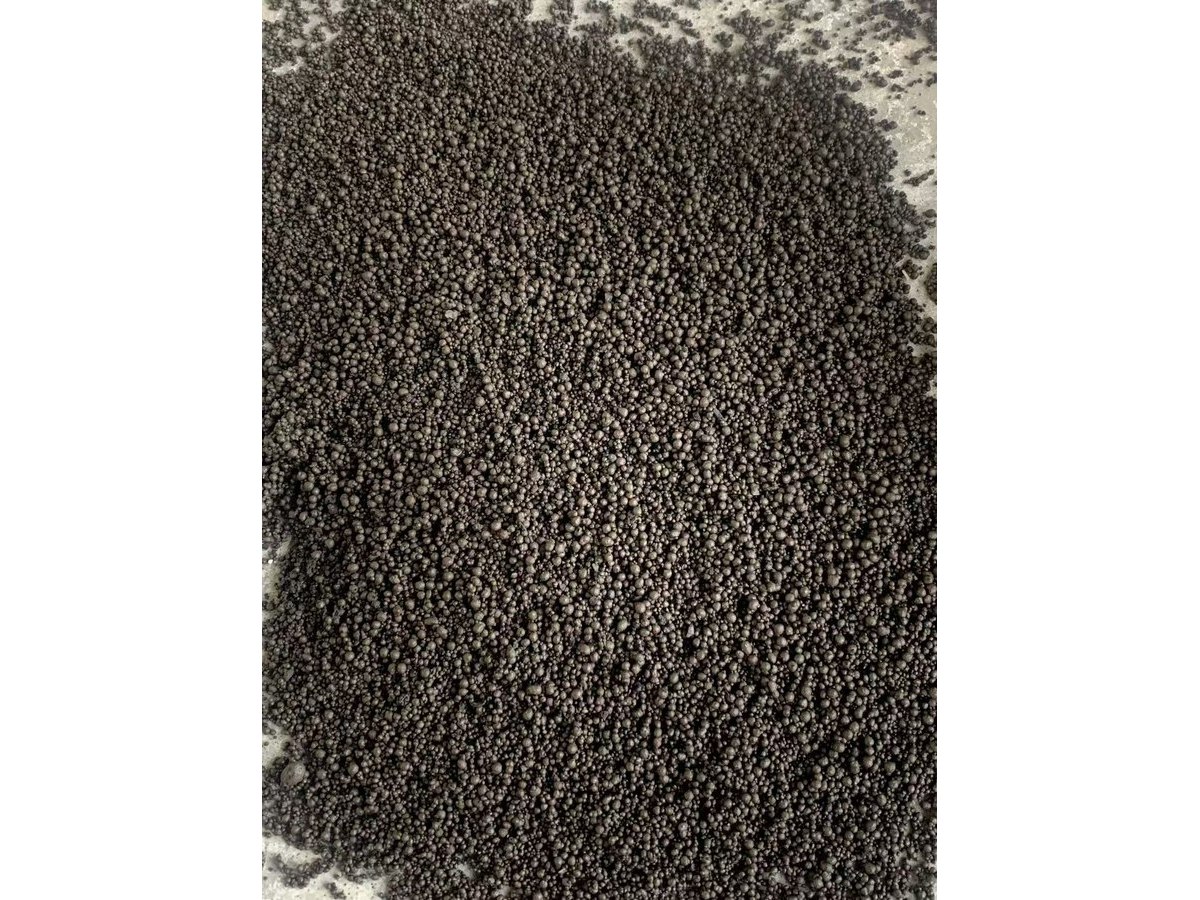
Pan angle and rotation speed work together to control pellet size and recycle rate. A steeper angle holds material longer and builds larger granules, while a shallower angle discharges faster and produces smaller, more uniform pellets. Rotation speed must be fast enough to roll the bed but slow enough that material does not fly out; too slow and fines accumulate, too fast and the bed rides up the rim and spills. These settings are not fixed - they change with moisture, binder and powder fineness, so we always provide a starter setting and teach operators how to trim it. The angle is mechanically adjustable, which lets one machine run different formulas without changing the pan. For NPK with a liquid binder, we typically start with a steeper angle and reduce it once the bed forms; for dry organic powder with high fiber, we start shallower so the material moves through instead of balling up.
Quick check #2Send the moisture range and whether you use a liquid binder (water, molasses, urea solution) so we can pre-set the recommended angle and speed band.
3. Disc granulator moisture and binder control for high balling efficiency
Balling efficiency depends on getting the moisture band right: too dry and the powder will not bridge into granules, too wet and the pan turns into paste that plugs the discharge. The target is usually 12-18% moisture for organic materials and 8-14% for NPK, but the exact band depends on the binder. Water is the cheapest binder, but for NPK hardness we often add a urea or acid solution, and for organic granules molasses or lignosulfonate improves strength. The pan granulator itself does not dry - it shapes - so the moisture you put in must be removed by the downstream dryer. That is why we size the pan and the dryer together: a pan running at 16% moisture needs a dryer with enough evaporation capacity, and a pan running too wet simply pushes the problem downstream. Spray position also matters; a spray bar aimed at the rolling bed, not the bare pan floor, gives faster nucleation and fewer oversized lumps.
Quick check #3Tell us your binder type and the moisture your dryer can accept, and we will confirm the spray and moisture setpoints for stable pellet formation.
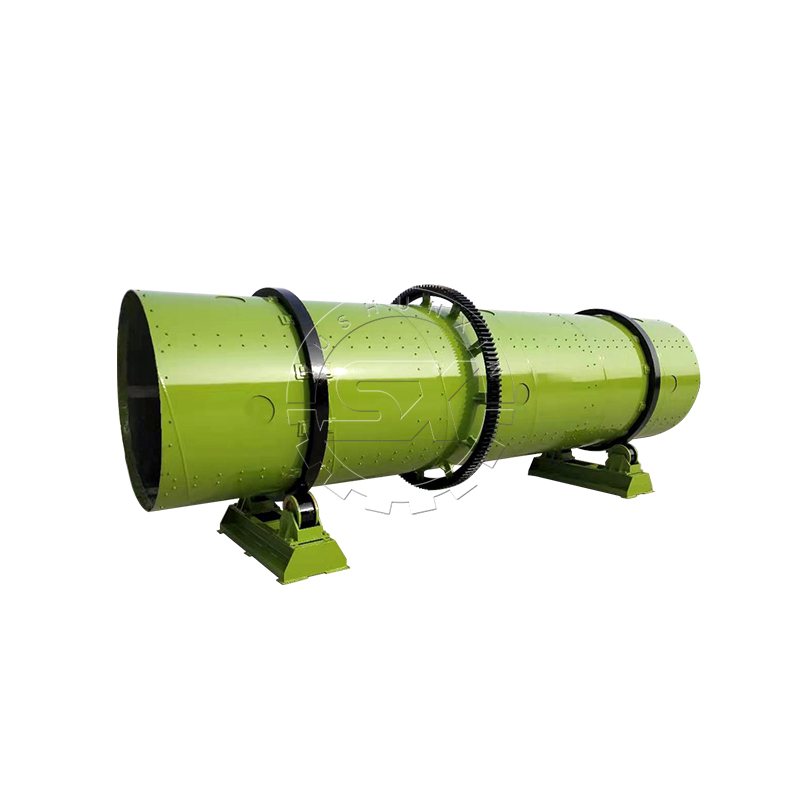
4. Disc granulator vs rotary drum granulator: which granulation route fits your fertilizer plant
The disc and the rotary drum both granulate, but they suit different plants. The disc is open and visible, which makes it easy to observe the bed, change angle and speed, and switch formulas quickly - ideal for smaller lines, frequent grade changes and lower capital budgets. The rotary drum is enclosed and continuously fed, with longer residence and better mixing for high-output NPK lines, but it needs a bigger investment, more power and a stable recipe to pay off. Choose the disc when you want operator visibility, flexible small batches and a lower entry cost; choose the drum when you have one or two high-volume grades and want a continuous, dust-contained process. We frequently combine both: a disc for trial or small orders and a drum for the main volume. The deciding numbers are output, grade-change frequency and labor skill.
Quick check #4Share your weekly output, the number of grades you run, and your budget ceiling - we will recommend the disc or drum route with the reasoning in writing.
5. Disc granulator liner material and wear parts for long-term fertilizer production
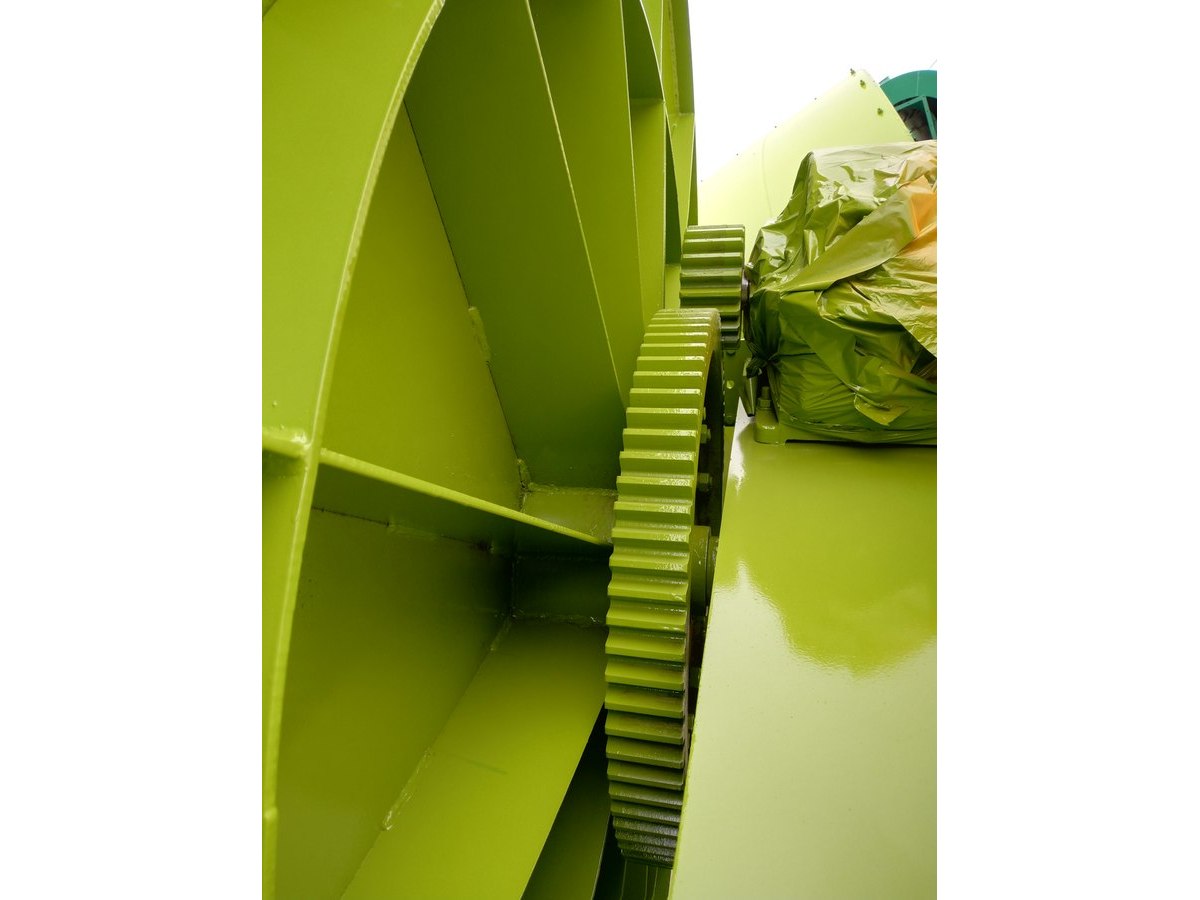
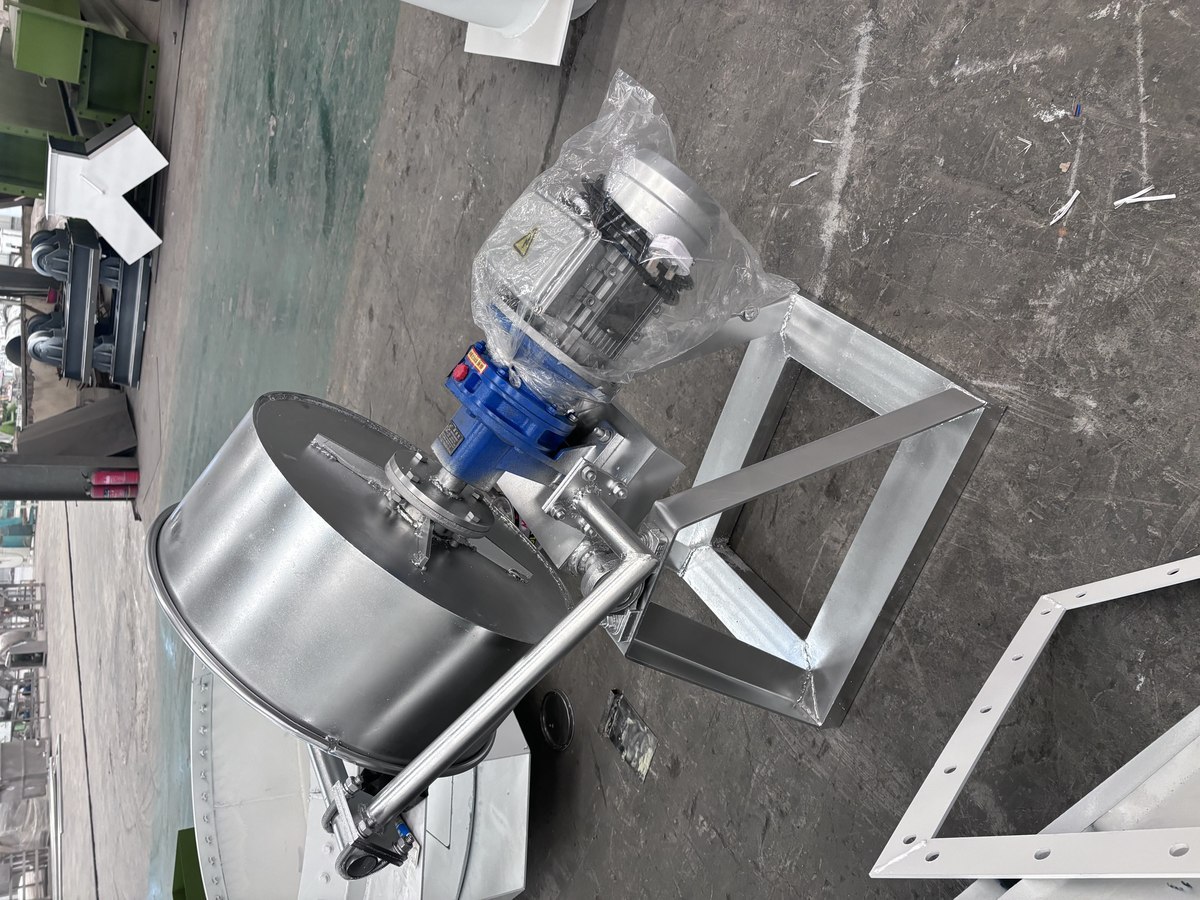
The pan liner and scraper are the wear points that decide maintenance cost. For fertilizer powders, the standard liner is a wear-resistant steel plate; for corrosive or sticky formulas we upgrade to stainless steel or a rubber-lined pan so material does not cake on the wall. The scraper must be adjusted close to the pan surface to keep the rolling bed clean, and a worn scraper is the most common cause of a collapsing bed and poor pellet shape. We keep the liner, scraper and bearing set as in-stock wear parts, and the scraper gap is field-adjustable without special tools. Lubricating the main bearing on schedule and checking the gearbox oil are the two habits that prevent most unscheduled stops.
Quick check #5Tell us your material acidity/corrosiveness and we will specify the liner and scraper material in the quotation, with the spare-parts list attached.
6. Disc granulator installation footprint, foundation and feeding layout for a fertilizer line
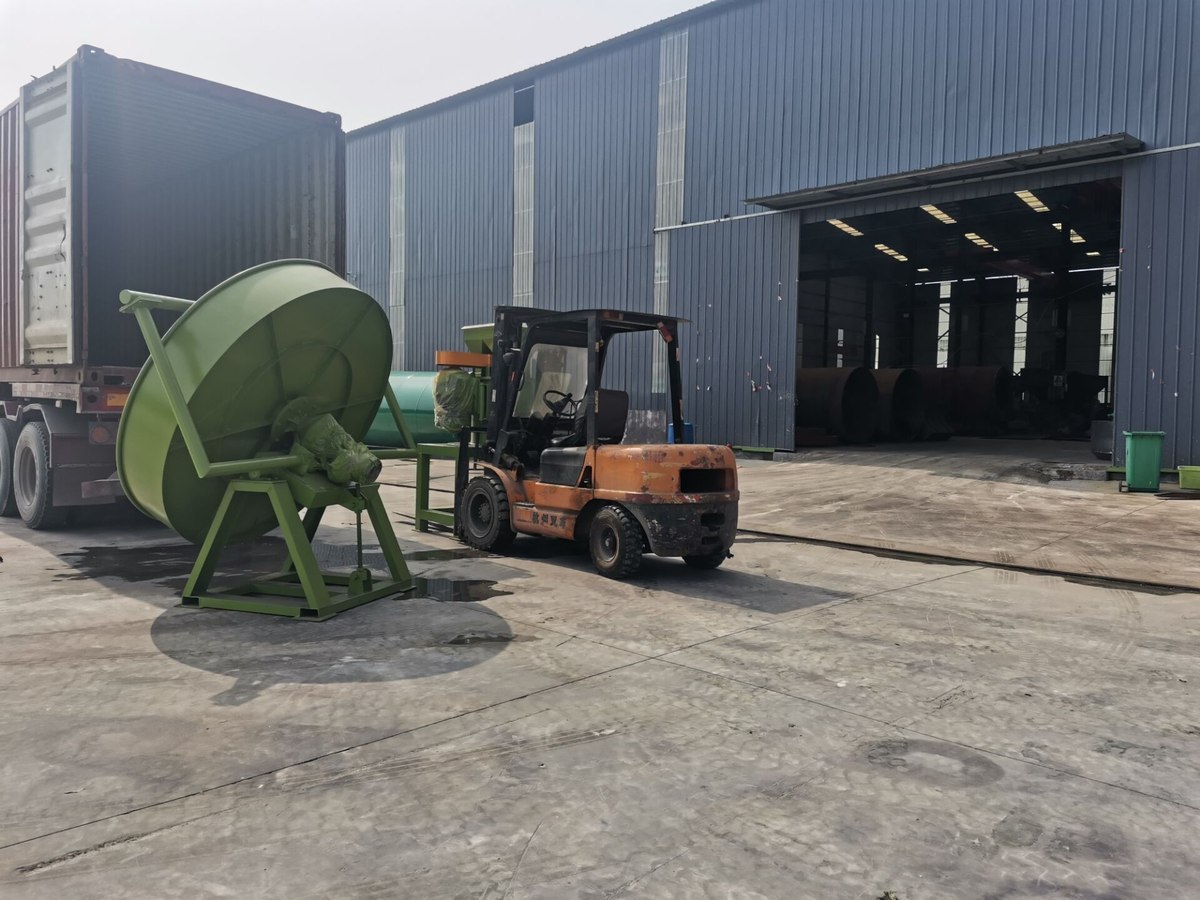
A disc granulator looks small in a catalog but needs three things around it: a metered feeder above, a discharge chute below, and room for the operator to watch and adjust the bed. The foundation must take the rotating mass and vibration, so we provide anchor drawings and recommend a reinforced concrete pad. Headroom is the dimension buyers most often miss - the pan tilts, so the highest point at full angle is taller than the shipping height. In the layout we keep the feeder discharge directly over the rolling bed, not the pan edge, and leave a walkway on both sides for cleaning and scraper adjustment. For a complete line the pan sits between the mixer and the dryer, and the transfer distances are kept short so wet granules do not break before drying.
Quick check #6Send your workshop dimensions, ceiling height and the position of your existing mixer/dryer, and we will return a placement sketch with the foundation notes.