Phosphate Rock Granulation Line | YUSHUNXIN Fertilizer Machinery
Solicite listas de precios y cotizaciones por correo Exportamos a más de 60 países
Menú
Home/Solutions/Phosphate Rock Granulation Line

Phosphate Rock Granulation Line

Turn phosphate rock powder into uniform, dust-free granules for direct application or phosphate fertilizer feed.

North AfricaMiddle EastLatin AmericaSouth Asia
Solution at a glance

Phosphate Rock Granulation Line

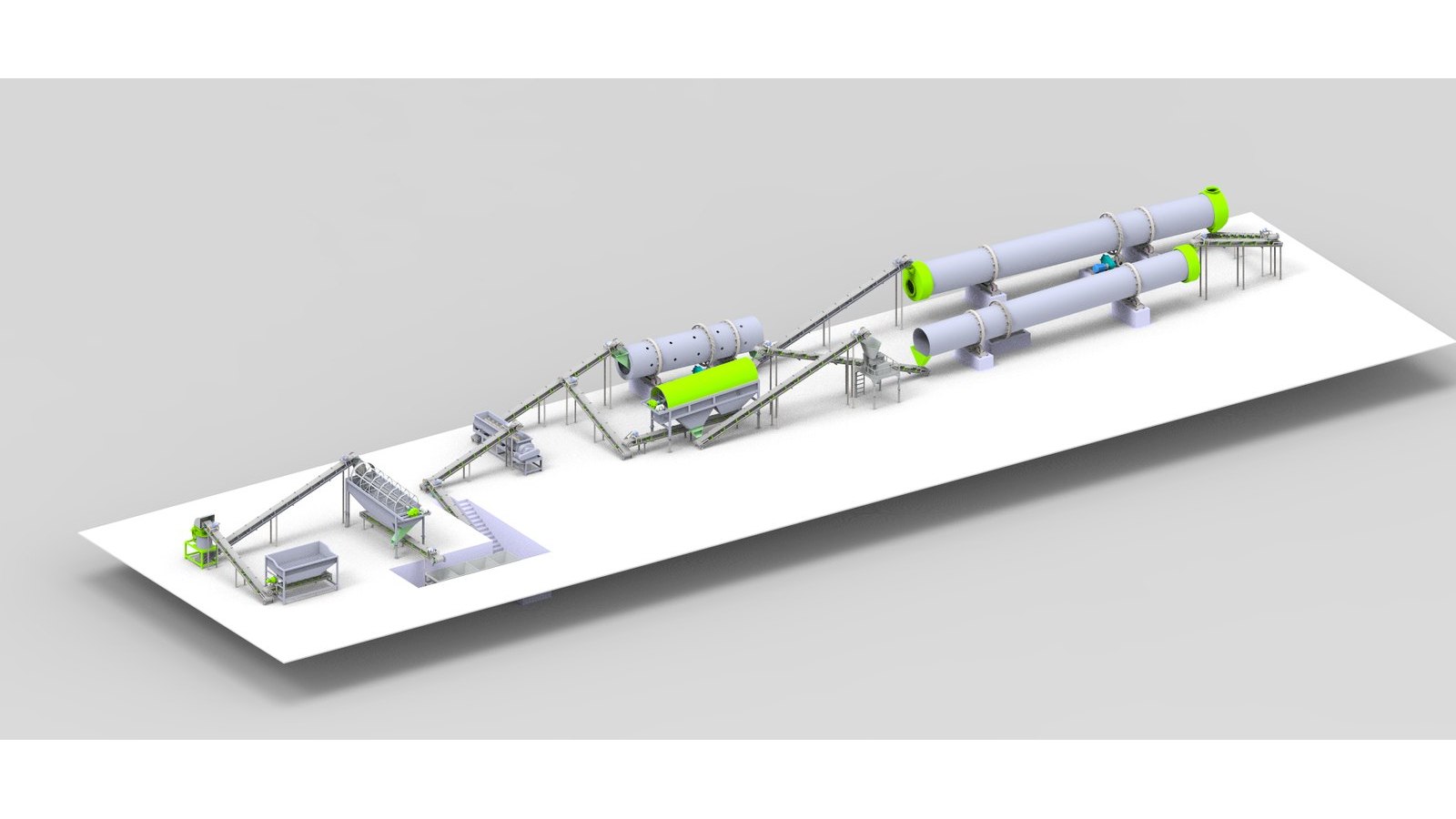
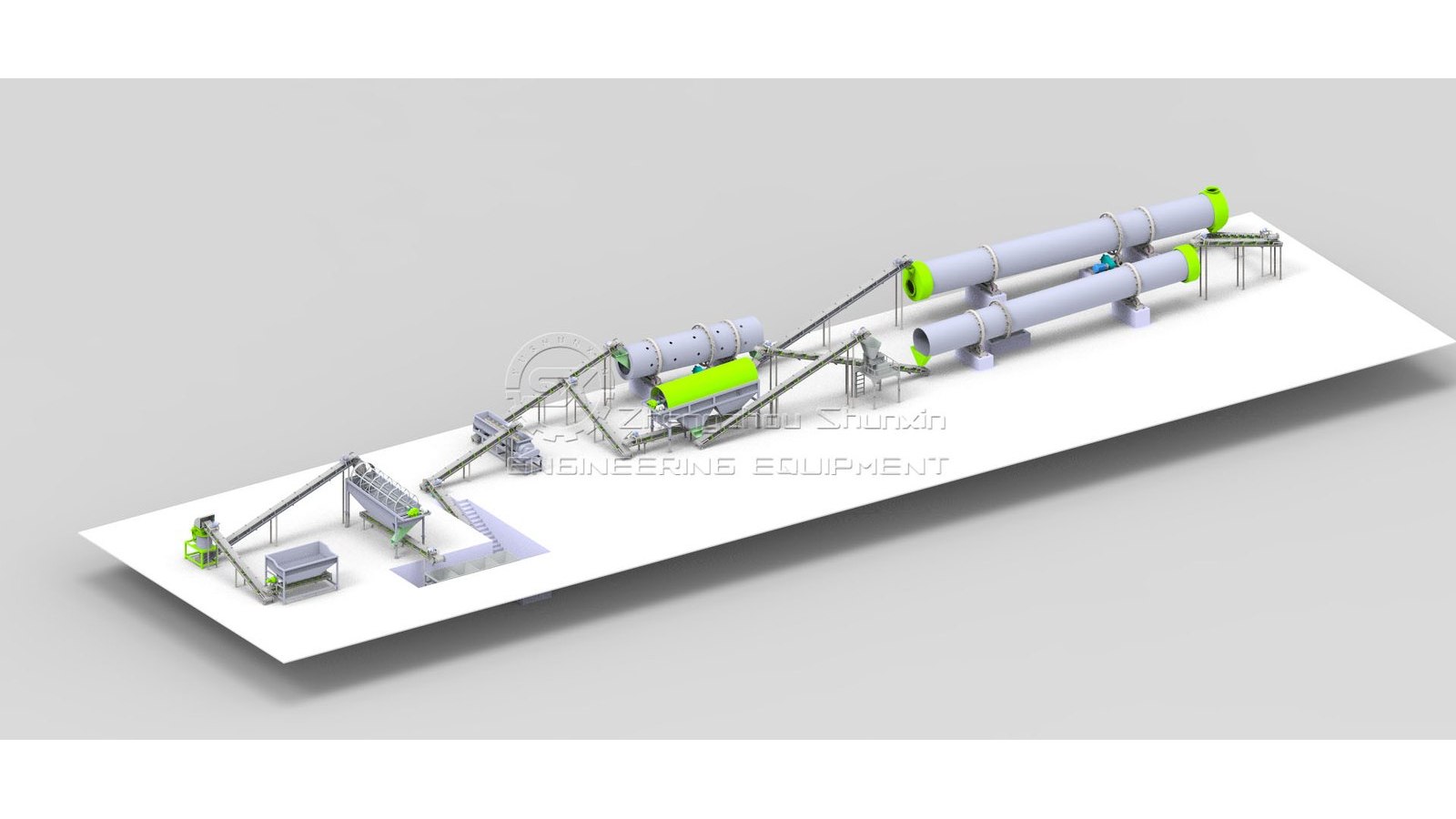
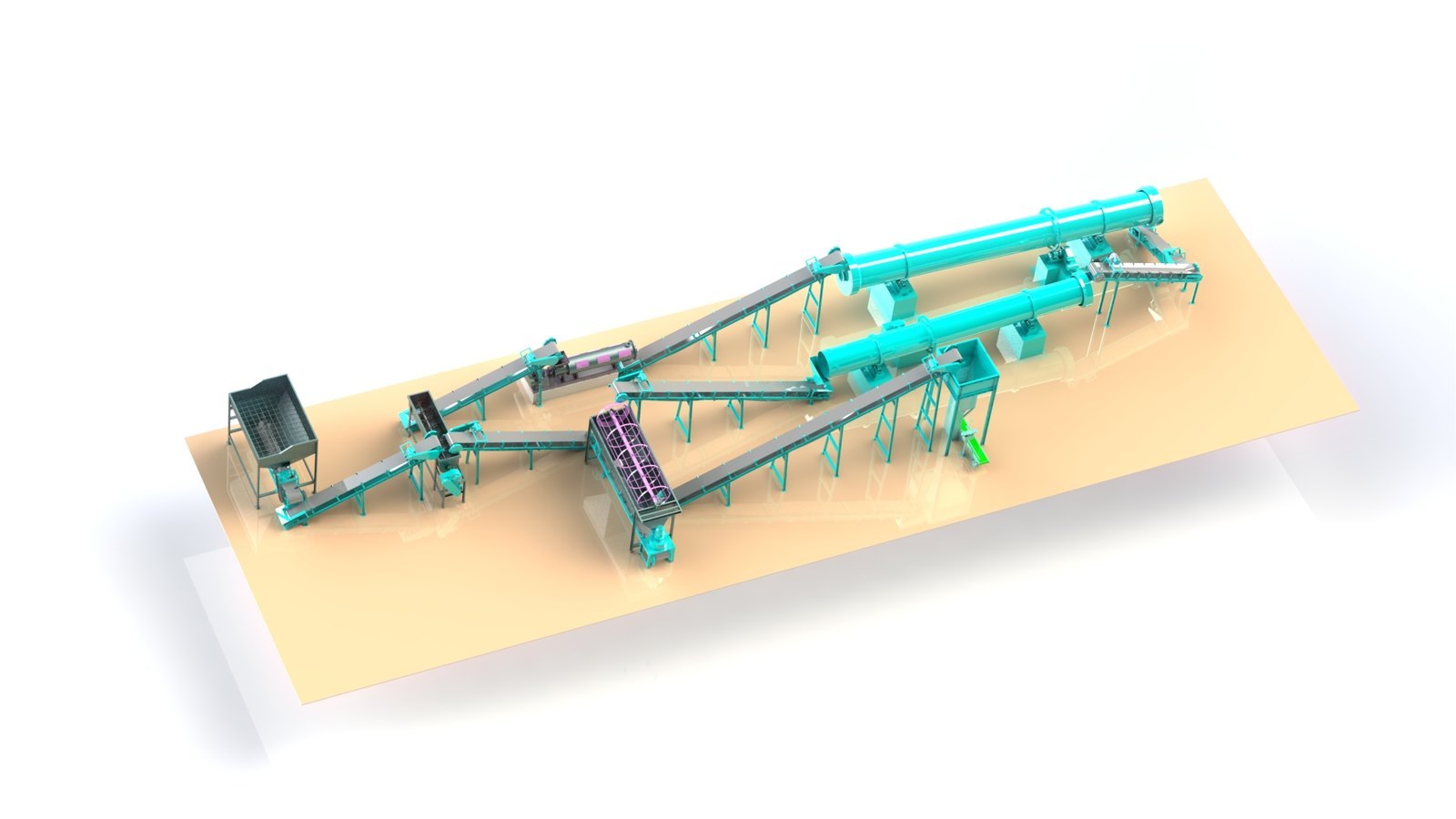
For phosphate rock, phosphate ore powder and partially acidulated phosphate, YUSHUNXIN engineers a low-energy dry-compaction or disc granulation route with milling, classification and hardening for abrasive rock.

Abrasion-hardened contact parts

Fine milling to target fineness

Dry or low-moisture granulation

Closed-loop screening and recycle

Why This Line

Why choose this line

Phosphate rock granulation adds value to ore powder by converting fines into spreadable, dust-free granules for direct application or phosphate feed - engineered for abrasive rock with controlled milling and binder dosing.

Abrasion-hardened line
Fine milling to target fineness
Low-energy granulation
Screening & recycle
Who this solution is for

Is this solution for you?

Read this first: the solution fits specific customers, scenarios and project stages. If you are not the target, the configuration and quote will not be right.

Suitable for

  • Phosphate rock processors
  • Phosphate fertilizer producers
  • Mining by-product valorization teams

Not suitable / confirm first

  • High-moisture chemical granulation (choose the NPK wet route)
  • Projects without a defined granule size and strength target
  • Single-machine needs - see equipment pages
The problems

What customers face before this solution

These are the real operating problems this line is designed to solve - and why they happen.

Typical problems

  • Phosphate Rock Granulation Line powder is fine and abrasive, wearing standard parts
  • Granules are weak or dusty without the right binder
  • Granule size is inconsistent without a screening loop
  • Standard fertilizer lines are over- or under-engineered for this mineral

Why they happen

  • Equipment selected without an abrasion and flow review
  • Binder and fineness not matched to the mineral
  • Wrong granulation route for the material moisture
  • No screening loop, so fines and oversize are not returned

Why a complete line, not single machines

The right route depends on the mineral's hardness, fineness, moisture and target granule. We match milling, granulation, screening and handling to the mineral so granules are consistent and equipment survives the material.

Process

How the line works

1

Milling & Sizing

Raymond mill and hammer crusher reduce phosphate rock to the target fineness.

2

Batching & Conditioning

Weighed dosing blends rock powder with binder and optional additives.

3

Granulation

Double-roller compaction or disc granulation forms granules at low moisture.

4

Screening & Recycle

Vibrating or rotary screening returns fines and oversize.

5

Coating & Packing

Optional anti-dust coating followed by 25-50 kg bagging or FIBC packing.

Solution structure

What is inside the line

Each module solves one part of the chain. Open any module to see its parameters and options.

Configuration logic

Why we configure it this way

Equipment is not a list - it is a response to your conditions. This is how your conditions change the configuration:

When your project is...We configure...
Dry, non-plastic powderDouble-roller compaction - no drying required
Moisture-tolerant materialDisc or drum granulation with matched drying
High abrasionHardened wear plates and replaceable liners
Tight size rangeScreening loop with fines and oversize return
Scenario differences

Different projects get different configurations

We do not apply one template to every customer. Here are three common scenarios and how the configuration changes.

Phosphate Rock Granulation Line producer

Focus: Consistent granules, low dust

Granulation + screening + bagging

Soil amendment brand

Focus: Stable market-ready granules

Conditioning + granulation + packing

Mining by-product valorization

Focus: Turn powder into saleable granules

Validation-first design with hardened equipment

Implementation

From inquiry to commissioning

This is the delivery path we follow for every complete line project.

1

Confirm requirements

Raw materials, formula, capacity, bag size, utilities and site conditions are confirmed in a technical questionnaire.

2

Process design & layout

We produce a process flow, line layout and foundation drawings sized to your material data.

3

Quotation with scope

You receive a quotation with an itemized delivery scope - what is included and what is excluded.

4

Order & fabrication

Fabrication starts with progress updates; long-lead items are ordered first.

5

Factory testing

Machines are assembled and no-load tested; weighing and control systems are calibrated.

6

Export packing

Equipment is export-packed with anti-rust treatment and a packing list for customs.

7

Delivery & installation

Machines ship FOB/CIF/door-to-door; installation is supervised on site or via video guidance.

8

Commissioning & training

We commission the line, train your operators and stabilize process parameters.

9

Acceptance & after-sales

Acceptance is based on agreed metrics; spares and remote support continue after handover.

Pre-purchase checklist

What to prepare before requesting a quote

The better your information, the closer the first quote is to the final one. Prepare these items:

  • Material type, fineness, hardness and moisture
  • Target granule size, strength and dust tolerance
  • Capacity in t/h and operating hours
  • Binder availability and cost
  • Packing size and destination market

Request a phosphate rock granulation line granulation assessment

Send material type, fineness, hardness, moisture, target granule specs, capacity and binder options for a recommendation.

Product Inquiry

Tell us about your project — we reply within 24 hours (24/7).

Fields marked * are required. Your inquiry goes directly to our engineering team.

Risk boundaries

When this solution does not apply

Honest boundaries make a proposal credible. These conditions must be confirmed before the configuration is valid:

  • Granule strength depends on the material-binder combination - validate with samples
  • Abrasive material increases wear-part consumption - hardened parts specified
  • Moisture-sensitive material may need dry storage outside equipment scope
Effect verification

How we verify the solution works

Performance is checked with measurable indicators, not adjectives. These are the acceptance checks for this type of line:

IndicatorHow it is verified
Granule strength and sizeDrop/compression test and sieve analysis per shift
Fines contentMeasure after screening and at the bagger
ThroughputRecord t/h at design conditions
Delivery scope

What is included - and what is not

Compare quotes on the same scope. This is exactly what the project price covers.

Included

  • Milling / conditioning, granulation, screening, conveying and packing
  • Wear-engineered contact parts
  • Layout, installation, commissioning and training
  • Spares and after-sales support

Not included (separate scope)

  • Binder supply
  • Upstream mining / milling
  • Civil works and utilities
  • Third-party certification
Scenario FAQ

Questions buyers ask about this solution

Why mill phosphate rock before granulation?
Granulation strength and uniformity depend on fineness. We mill to a controlled particle size so the binder acts consistently and the granule hardness is repeatable.
Is phosphate rock abrasive?
Yes. We harden contact surfaces, seal bearings and specify replaceable liners so wear is planned, not a surprise.
Wet or dry granulation for phosphate rock?
Dry double-roller compaction is usually lowest cost for rock phosphate powder. A disc or drum wet route is available when the target granule or downstream process requires it.
Deep-dive guide

Ten angles buyers must understand before investing

Each angle is a self-contained chapter with a line illustration. Read the ones that match your project stage, then send us the data each angle asks for.

1. Caracterización de la roca fosfórica para la granulación

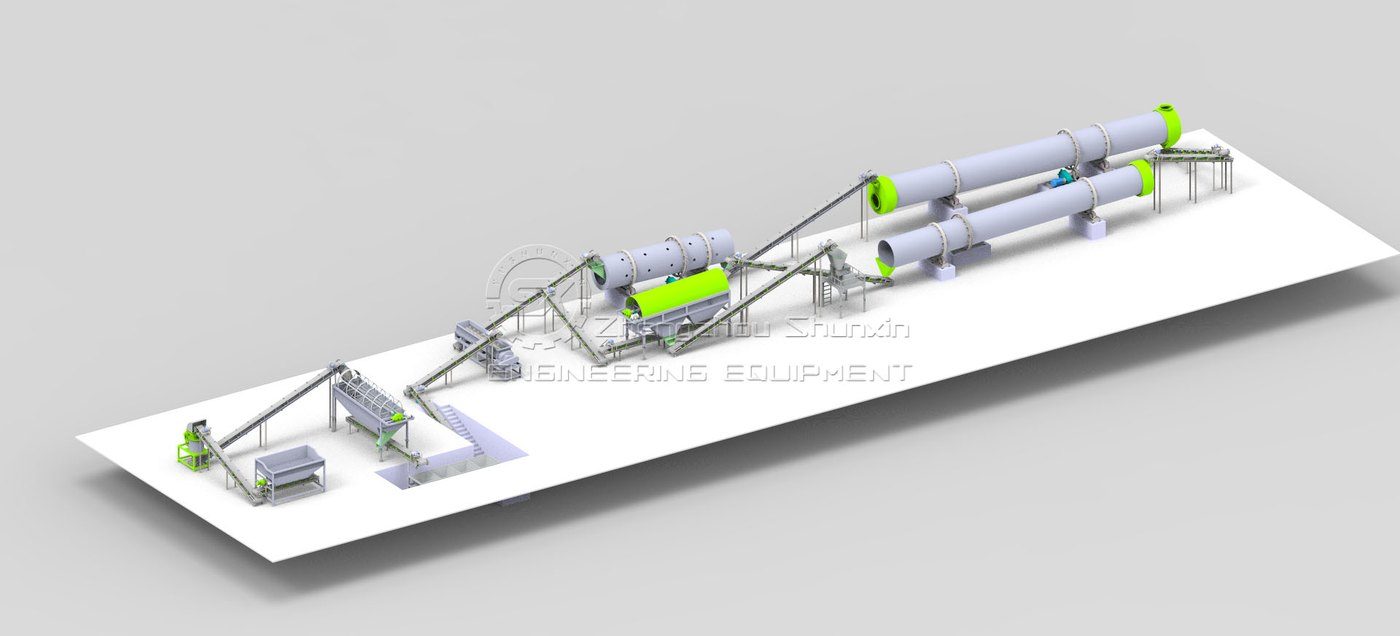
La granulación de roca fosfórica empieza por el mineral, cuya dureza, humedad y ley deciden toda la ruta. La roca se tritura y muele a la banda fina que el granulador necesita, y el contenido de fosfato y las impurezas fijan el aglutinante y la calidad. Una línea para roca blanda de alta ley se desgasta distinto de una para roca dura de baja ley, así que la materia prima se caracteriza antes de fijar la configuración.
Caracterización de la roca fosfórica para la granulación

2. Trituración y molienda de la roca fosfórica a la finura de granulación

La roca se reduce en dos etapas: una trituradora rompe el mineral grueso y un molino como un sistema Raymond alcanza la banda fina. La finura importa porque la granulación necesita una alimentación uniforme para hacer gránulos fuertes, y la energía de molienda es gran parte del costo. Seleccionamos el equipo para la dureza y la finura, y el polvo se capta y retorna.

Trituración y molienda de la roca fosfórica a la finura de granulación

3. Control de aglutinante y humedad para la formación del gránulo de fosfato

La roca fosfórica se granula con aglutinante, y la banda de humedad decide la resistencia y la carga del secador. El aglutinante - agua o una solución adecuada - se dosifica en el mezclador, y la dosis se controla para que los gránulos formen sin que el granulador haga pasta. El aglutinante forma parte de la química del fosfato, porque las propiedades de la roca interactúan con la humedad.

Control de aglutinante y humedad para la formación del gránulo de fosfato

4. Ruta de granulación para roca fosfórica: disco, tambor o extrusión seca

La ruta sigue al comportamiento de la roca y al producto que compra el mercado. Un tambor es la opción continua para alto volumen, un disco es flexible para líneas menores y la extrusión seca conviene a un grado sensible a la humedad sin secador. La ruta es una decisión de capital, y se selecciona desde la materia prima y la forma del gránulo. Recomendamos con la comparación de energía y forma.

Ruta de granulación para roca fosfórica: disco, tambor o extrusión seca

5. Secado y enfriado para la estabilidad de almacenamiento del gránulo de fosfato

Los gránulos húmedos se secan a la humedad estable y se enfrían antes del cribado, porque un gránulo caliente y húmedo se apelmaza. El secador y el enfriador se dimensionan como un balance de calor, y la temperatura se fija para el fosfato, que puede cambiar a alto calor. Dimensionamos el par para que los gránulos salgan fluidos al empaque.

Secado y enfriado para la estabilidad de almacenamiento del gránulo de fosfato

6. Cribado y reciclaje para la uniformidad del tamaño del gránulo de fosfato

La criba clasifica los gránulos y devuelve el subtamaño y el sobretamaño triturado al granulador como reciclaje, estabilizando el lecho. El reciclaje aporta los núcleos donde crecen los nuevos gránulos, y la relación se equilibra en el diseño. Un reciclaje bien equilibrado mantiene uniforme el tamaño y alta la salida útil.

Cribado y reciclaje para la uniformidad del tamaño del gránulo de fosfato

7. Captación de polvo y base de emisiones del procesamiento de fosfato

El procesamiento de fosfato es polvoriento, y la trituración, la molienda y el cribado liberan polvo fino que debe captarse. La línea lleva ciclones y filtros en cada punto, con retorno del polvo. La base de emisiones se fija con el permiso, y el sistema se dimensiona para el aire. Es recuperación y seguridad, diseñada desde el inicio.

Captación de polvo y base de emisiones del procesamiento de fosfato

8. Distribución de planta, servicios y huella de una planta de fosfato

Una planta de fosfato necesita la entrada de mineral, la trituración y molienda, la sala de granulación, el secador y el enfriador, y el empaque y almacén, con los servicios confirmados. Dibujamos el flujo en una dirección, de la entrada a la carga. La huella sigue a la capacidad y al tipo de mineral.

Distribución de planta, servicios y huella de una planta de fosfato

9. Inversión y costo operativo de la granulación de fosfato

La inversión la fijan la molienda, la ruta y el polvo, y el costo operativo lo dominan la energía de molienda y las piezas de desgaste de la roca abrasiva. La dureza se confirma antes de cotizar porque cambia ambos. Publicamos la guía y desglosamos la cotización. En una roca abrasiva, la línea más barata rara vez es el mejor valor.

Inversión y costo operativo de la granulación de fosfato

10. Puesta en marcha y aceptación de la granulación de fosfato

La puesta en marcha prueba la línea con el fosfato real. Corremos a la salida acordada, comprobamos el tamaño y la resistencia frente a la lista, y capacitamos en aglutinante y reciclaje. Los criterios son medibles. Tras la entrega mantenemos los repuestos y el soporte remoto, porque una línea abrasiva necesita repuestos a mano.

Puesta en marcha y aceptación de la granulación de fosfato
error: Content is protected !!