Secadora Rotativa de Fertilizantes | YUSHUNXIN Fertilizer Machinery
Solicite listas de precios y cotizaciones por correo Exportamos a más de 60 países
Menú
Home/Products/Secadora Rotativa de Fertilizantes

Secadora Rotativa de Fertilizantes

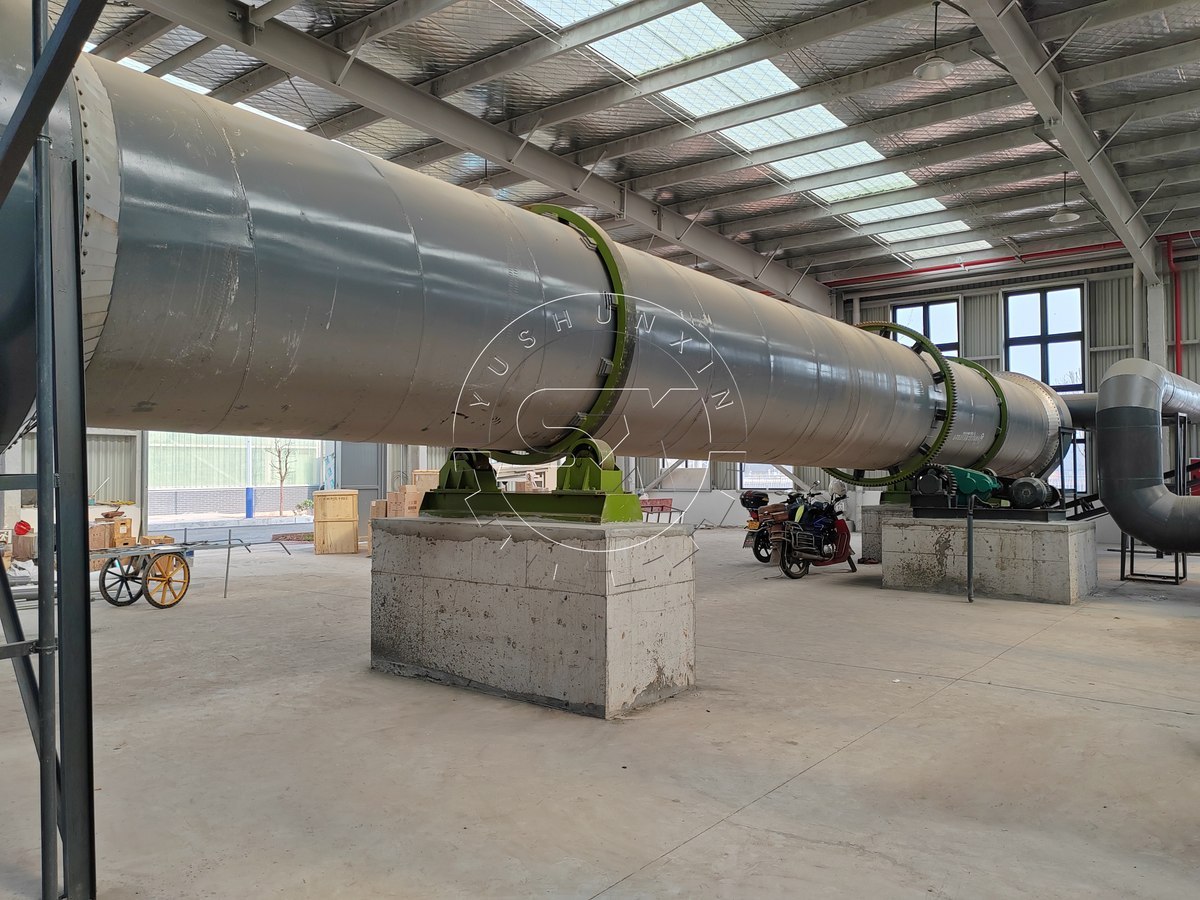
The Secadora Rotativa de Fertilizantes is a drying & cooling machine engineered by YUSHUNXIN for Organic fertilizer plants, Compound fertilizer plants and Mineral fertilizer plants. It is used for granule moisture reduction, wet material drying, complete line stability. Standard models cover roughly 4–6 t/h to up to 30 t/h capacity. Engineered for Global — factory-direct pricing, short lead times and complete integration with YUSHUNXIN lines.

Secado y enfriadoSGranule moisture reductionWet material dryingComplete line stabilityCapacity: 4–6 t/h – up to 30 t/h
What is this

Secadora Rotativa de Fertilizantes

Secadoras rotativas dimensionadas a la capacidad de la línea con fuentes de calor de carbón, gas, biomasa u horno de aire caliente.

Why buyers choose it

High-value large equipment

Affects entire line performance

Why choose YUSHUNXIN

Engineered for Global — factory-direct pricing, short lead times and complete integration with YUSHUNXIN lines.

How it works

Working principle of the Secadora Rotativa de Fertilizantes

1

Step 1

Wet granules enter the rotary drum

2

Step 2

Hot air from the stove / steam exchanger evaporates moisture as granules tumble

3

Step 3

Cooler brings product temperature down before screening

4

Step 4

Exhaust air is handled by the induced-draft fan and dust collection

Models

Model options & specifications

ModelTypePowerCapacityDimensionsWeightNote
SXHG-15165Rotary dryer11 kW4–6 t/h1500×17100×3060 mm—Reducer ZQ350 · inlet ≥300 °C · angle 3–5° · 6 r/min · refractory-lined pipes included
SXHG-1518Rotary dryer11 kW4–6 t/h1500×18600×3060 mm—Reducer ZQ350 · inlet ≥300 °C · 6 r/min · Q235B 12 mm
SXHG-1616Rotary dryer15 kW6–8 t/h1620×16300×3330 mm11.7 tReducer ZQ400 · 6 r/min · Q235B 12 mm
SXHG-1818Rotary dryer22 kW5–8 t/h19600×3200×3400 mm≈17.2 tDrum Φ1800×8000 mm · evap. up to 800 kg/h · thermal efficiency 72–80%
SXHG-2020Rotary dryer37 kW8–15 t/h≈24000×4200×4500 mm26.8 tDrum Φ2000×20000 mm · evap. 800–1500 kg/h · ZQ650 · VFD speed
SXHG-2222Rotary dryer37 kW8–18 t/hby model31.7 tShell Φ2200×22000 mm · evap. 1.2–2.2 t/h · thermal efficiency 65–75%
SXHG-2424Rotary dryer45 kWup to 30 t/hby model43.2 tShell Φ2400×24000 mm · inlet gas 600–850 °C · ZQ650 · gas burner 2.5–5.0 MW

How to choose a model

Models are sized by throughput. Pick the model whose rated capacity is closest to your target output with 15–20% headroom. If your project falls between two models, our engineers will recommend the most economical option — oversizing is rarely the cheapest answer.

Parameters

Technical parameters

Reference specifications for Secadora Rotativa de Fertilizantes — final values are confirmed in your technical proposal.

Calorcarbón / gas / biomasa / horno

How to read these parameters

  • Capacity is the reference throughput under typical material conditions. Choose a model with 15–20% headroom above your target output so moisture, bulk density and operating hours do not bottleneck the line.
  • Every model can be adapted: voltage/frequency, contact material (carbon steel, 304 or 316 stainless steel) and Siemens PLC control are available on request.
Key components

What the machine is made of

Core structure and sub-systems of the Secadora Rotativa de Fertilizantes — every part is selected for fertilizer-duty reliability.

Rotary shell & lifters

Carbon steel or stainless shell with lifting flights

Tyres, rollers & drive

Smooth rotation with trunnion support

Hot air system / stove

Clean heat matched to drying capacity

Induced-draft fan

Balanced air volume for evaporation and dust control

Seals & discharge

Inlet/outlet sealing to minimize heat and dust loss

Configuration

Standard vs optional configuration

Standard configurationFull machine assembly, matched motor & reducer, operation manual, export packing
Stainless steel option304/316 contact parts for corrosive or water-soluble material
Control levelManual / semi-auto / Siemens PLC with recipe management
Branded componentsValue package (W/N motors, Guomao gearboxes, ZWZ bearings) or premium package (Siemens, SEW, SKF)
Voltage & frequency380V/50Hz standard; 415V, 440V/60Hz, 525V, 660V customized
Installation & utilities

What to prepare on site

Power supply

Installed drive 11 kW; confirm voltage/frequency with our engineers

Footprint

Reference dimensions 1500×17100×3060 mm (per model); site layout confirmed before delivery

Operators

1–2 operators per shift

Site preparation

Power for fan/drive; fuel (gas/wood/coal) for the stove; foundation per layout drawing; dust collection recommended.

Spare parts

Recommended wear parts

We keep long-term stock for these consumables and ship them worldwide with any complete-line or spare-parts order.

Lifting flightsTyres & trunnion rollersShaft sealsFan bladesRefractory lining (stove)

View spare-parts & service support

In-depth buying guide

Secadora Rotativa de Fertilizantes: six decisions that determine your configuration

Work through these six angles before you request a quotation. Each angle ends with a 10-second check so you can confirm fit and give our engineers the right data the first time.

1. Cómo dimensionar un secador rotatorio de fertilizante para la eliminación de humedad del gránulo

Un secador rotatorio se dimensiona por el trabajo de evaporación, no solo por la alimentación de gránulo. La máquina debe eliminar el agua añadida en la granulación, y ese trabajo depende de la humedad de entrada, la humedad final objetivo y el límite de temperatura del producto. Un secador demasiado pequeño fuerza a ralentizar la línea o los gránulos salen húmedos; uno demasiado grande desperdicia combustible y espacio. Dimensionamos el diámetro, la longitud y el caudal de aire caliente en torno a su humedad de entrada y salida, para que la evaporación coincida con la capacidad de la línea.

Quick check #1

Díganos la humedad de entrada y objetivo, la alimentación de gránulo y la fuente de calor disponible, y dimensionaremos el tambor y el sistema de aire caliente para su trabajo de evaporación.

2. Control de temperatura del secador rotatorio para evitar sobrecalentar abono orgánico y compuesto

La temperatura es el equilibrio entre velocidad de secado y daño al producto. Los gránulos orgánicos se chamuscan y pierden valor si el aire de entrada es demasiado caliente, mientras que los NPK pueden secarse más calientes pero aun así deben quedar por debajo del punto donde la sal se funde o el gránulo se agrieta. Controlamos la temperatura del aire de entrada, el tiempo de residencia del tambor y la temperatura final del gránulo como un solo bucle, con el quemador respondiendo a la carga de humedad. El objetivo es humedad de salida estable, no la temperatura más alta posible.

Quick check #2

Dé el límite de temperatura de su gránulo y la humedad final objetivo, y fijaremos la temperatura de entrada, el tiempo de residencia y la curva de secado.

3. Fuentes de calor del secador: carbón, gas, biomasa o vapor para el costo energético de la planta

La fuente de calor es una decisión de costo operativo tanto como técnica. El carbón y la biomasa convienen a plantas con combustible en el sitio y límites de emisión tolerantes; el gas conviene a permisos más limpios y control más ajustado; el vapor o el aceite térmico convienen a plantas con caldera ya instalada. Cada fuente cambia la estufa de aire caliente, los conductos y la interfaz de emisiones. Seleccionamos la fuente con su precio de combustible y su permiso, porque el secador suele ser el mayor consumidor de energía de la línea.

Quick check #3

Indique su combustible disponible, su costo y el límite de emisión del sitio, y especificaremos la fuente de calor y el sistema de aire caliente.

4. Diseño de paletas del tambor para un secado uniforme sin rotura de gránulo

Las paletas internas levantan y caen los gránulos a través del aire caliente, y su forma decide tanto la uniformidad del secado como la rotura. Paletas correctamente diseñadas bañan los gránulos en una cortina uniforme para que cada gránulo vea el mismo aire, mientras que paletas agresivas o mal espaciadas dejan caer el material con fuerza y crean polvo y gránulos rotos. Seleccionamos el patrón de paletas y la velocidad del tambor para el tamaño y la densidad del gránulo, y mantenemos el nivel de llenado en la banda donde la cortina es uniforme.

Quick check #4

Envíe su tamaño de gránulo y la rotura que tolera, y confirmaremos el patrón de paletas y la velocidad del tambor para un secado uniforme.

5. Integración del secador con enfriador, ciclón y ventilador de tiro inducido

Un secador nunca trabaja solo. Va emparejado con un enfriador aguas abajo, un ciclón o filtro de mangas en el escape y un ventilador de tiro inducido que mantiene el sistema en presión negativa. El enfriador baja los gránulos por debajo de 35 °C para que no se ablanden en la bolsa, el sistema de polvo recupera producto y cumple el permiso, y el ventilador equilibra el aire para que el aire caliente y polvoriento no escape al edificio. Los dimensionamos juntos porque un ventilador o ciclón subdimensionado se vuelve el cuello de botella.

Quick check #5

Díganos su objetivo de enfriamiento y su permiso de polvo, y dimensionaremos secador, enfriador, ventilador y sistema de polvo como un solo bucle de aire.

6. Piezas de desgaste y mantenimiento del secador rotatorio para una larga vida útil

Los puntos de desgaste de un secador rotatorio son las paletas, los revestimientos donde impactan los gránulos, los sellos y los componentes del accionamiento. Las paletas y los revestimientos son reemplazables y los mantenemos en stock, porque un patrón de paletas desgastado cambia directamente la uniformidad del secado. Los sellos en los extremos controlan la fuga de aire y son el elemento de mantenimiento más común, así que se especifican para la temperatura del tambor y se revisan según programa. El reductor y los rodillos de apoyo son los otros elementos rutinarios.

Quick check #6

Pida la lista de repuestos con los intervalos, e incluiremos las paletas, los revestimientos y los sellos como elementos en stock.

Applications

Where it is used — and how to confirm it fits

This Secadora Rotativa de Fertilizantes fits when your project matches one of these use cases. Tell us your raw material, target capacity and moisture so we confirm the configuration before quoting:

Granule moisture reductionWet material dryingComplete line stability

Best suited for

  • Organic fertilizer plants
  • Compound fertilizer plants
  • Mineral fertilizer plants

Where it is delivered

Global

Factory-direct pricing, short lead times and complete line integration — wherever your project is located.

Customization

Customization we can engineer

Standard machines use reliable, field-proven components. For projects that require specified brands, we offer factory-authorized component upgrade packages plus full electrical customization.

Options you can add

  • Special voltage & frequency (e.g. 380V/60Hz, 440V, 525V, 660V)
  • 304/316 stainless steel contact parts
  • Rubber or stainless liners for coating machines
  • Siemens PLC control with recipe management and batch logging
  • Matched inverter (VFD) packages for variable-speed dosing and conveying
  • Wire & cable supply for complete lines
  • CE-ready electrical components and documentation on request

Branded component packages

Branded Option 1

W/N motors · Guomao gearboxes · ZWZ bearings

+8–10%
Branded Option 2

Siemens motors · SEW gearboxes · SKF bearings

+12–15%

Price adjustments are reference ranges applied to the corresponding equipment scope. Special voltage / frequency and material-contact requirements are always customized.

Quality control

How we guarantee every machine

Quality is a process, not a label — every YUSHUNXIN machine passes the same five checkpoints before it leaves the factory.

1

Incoming material inspection

Steel plates, motors, reducers, bearings and electrical parts are checked against brand and specification on arrival.

2

Fabrication & welding inspection

Shell thickness, welding quality, alignment and surface finish are inspected at each station during fabrication.

3

Assembly & alignment check

Shafts, gears, rollers, frames and drives are aligned and checked before electrical hook-up.

4

No-load test run

Every machine is test-run no-load; speed, vibration, noise and temperature are recorded on the test sheet.

5

Packing & pre-shipment check

Export packing, spare-parts list and documents are double-checked, with photos/video before dispatch.

National fertilizer machinery quality certificationsMultiple patent certificates for new & efficient fertilizer equipmentCE-ready electrical & control components
Delivery & support

Packing, delivery and after-sales

Export packaging

Machines are packed for sea freight: steel-frame or plywood cases, anti-rust treatment, waterproof film and clear marking.

Worldwide delivery

FOB, CIF, CFR or door-to-door options; we prepare packing lists, commercial invoices and shipping marks for customs.

Installation & commissioning

Site drawings and assembly guidance are included; on-site engineer supervision is available for complete lines.

Operator training

Manual and video in your language, plus remote guidance via WhatsApp/email during commissioning.

Spare parts support

Long-term supply of wear parts — rollers, dies, blades, screens, nozzles, bearings, reducers, sensors, motors and more.

Warranty & after-sales

12-month machinery warranty and responsive after-sales support from our engineering team.

Price logic

Why the price varies — and how to get an accurate quote

We do not publish list prices because every fertilizer project is different. This is exactly what makes the difference:

Model & capacity

Larger capacity and heavier construction raise machine cost — but usually lower cost per ton.

Contact material

Carbon steel is standard; 304/316 stainless steel costs more but suits corrosive or food-grade material.

Automation level

Manual, semi-auto and full Siemens PLC control change both price and operating manpower.

Branded components

Standard brands, value package (+8–10%) or premium package (+12–15%) for motors, gearboxes and bearings.

Quantity & packaging

Single machines, complete lines, export packing and spare-parts kits are quoted separately.

Destination & lead time

Freight, port, customs documents and requested delivery time affect the final quotation.

FAQ

Questions buyers ask before inquiry

Can this Secadora Rotativa de Fertilizantes be customized for my project?
Yes. We can adapt voltage/frequency (e.g. 380V/60Hz, 440V, 525V), use 304/316 stainless contact parts, add Siemens PLC control, or supply branded components. Customization is confirmed in the technical proposal after you share your capacity, raw material and destination.
What information do I need for an accurate quotation?
Please provide: target model or capacity, raw material and moisture, quantity, destination country/port, voltage/frequency, customization needs (stainless steel, PLC, branded parts) and expected delivery time. With these, we can quote accurately within 24 hours (24/7).
What is the delivery time and how is it shipped?
Standard machines ship in about 15–30 days; complete lines and customized machines take longer depending on scope. All equipment is export-packed for sea freight with FOB/CIF/CFR or door-to-door options.
Do you provide installation guidance and training?
Yes — assembly drawings, manuals and video guidance are included, and our engineers support remote commissioning by WhatsApp/email. On-site supervision is available for complete lines.
Can I order this machine as part of a complete line?
Yes. This Secadora Rotativa de Fertilizantes is integrated into our complete production lines with matched batching, mixing, conveying, drying and packing equipment — one supplier, one guarantee.
Do you support branded components or OEM?
We offer two factory-authorized brand packages (value and premium international brands) plus electrical customization. For OEM orders, share your brand files, target market, quantity and packaging requirements.
Product gallery

Machine details & factory photos

Real equipment, parts and production photos from our factory.

Inquiry

Request a quotation

For an accurate quotation, please include

The more complete your information, the faster we can respond with a precise proposal.

  • Target model or capacity (t/h)
  • Raw material and moisture
  • Quantity (single machine / complete line)
  • Destination country & port
  • Voltage & frequency
  • Customization (stainless steel / PLC / branded)
  • Expected delivery time

Product Inquiry

Tell us about your project — we reply within 24 hours (24/7).

Fields marked * are required. Your inquiry goes directly to our engineering team.

Related

Related products

Enfriadora Rotativa de Fertilizantes

Enfriadora Rotativa de Fertilizantes

Model: SXHG-0808 (cooler)Capacity: 0.8–2 t/h – matched to dryersPower: 5.5 kW
Hot Air Stove

Hot Air Stove

Model: F-0.8 / 1.0 / 1.2Capacity: small dryers – medium dryers
Induced Draft Fan

Induced Draft Fan

Model: 4CCapacity: 2932–5564 m³/h – 5360–9870 m³/hPower: 5.5 kW
Granulador de Disco

Granulador de Disco

Model: SXYP-2000Capacity: 1.2–1.5 t/h – 2–4 t/hPower: 4 kW
error: Content is protected !!