Línea de Granulación de Negro de Carbón | YUSHUNXIN Fertilizer Machinery
Solicite listas de precios y cotizaciones por correo Exportamos a más de 60 países
Menú
Home/Solutions/Línea de Granulación de Negro de Carbón

Línea de Granulación de Negro de Carbón

Convierta negro de carbón de pirólisis y polvos minerales en gránulos comercializables — granulación de bajo consumo y con control de polvo.

Global pyrolysis & environmental market
Solution at a glance

Línea de Granulación de Negro de Carbón

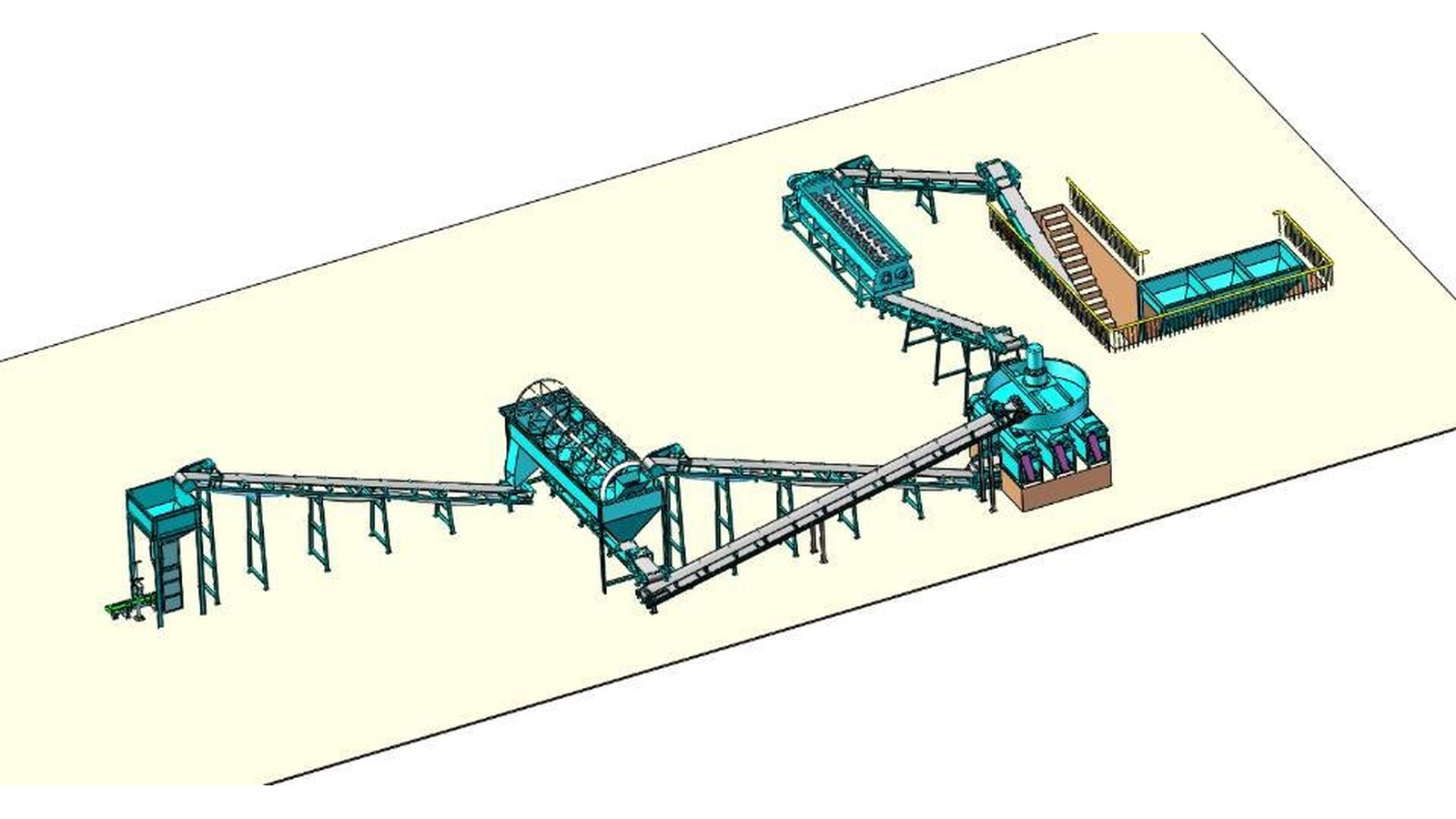
Apoyando el portafolio ambiental del grupo YOTO, la línea de YUSHUNXIN convierte negro de carbón de pirólisis en gránulos estables con ruta de doble rodillo o disco, incluyendo dosificación, mezcla, granulación, cribado y envasado.

Granulación de negro de carbón de pirólisis

Proceso con control de polvo

Granulación seca de doble rodillo

Sinergia ambiental a nivel grupo

Why This Line

Why choose this line

Carbon black granulation supports the YOTO Group's pyrolysis and environmental portfolio — one of the company's declared growth tracks. It turns dusty pyrolysis carbon black into stable, dust-controlled granules that are easier to handle, transport and sell.

Low-energy dry granulation route
Dust-controlled material transfer
Screening & recycle integration
Group-level pyrolysis & environmental synergy
Who this solution is for

Is this solution for you?

Read this first: the solution fits specific customers, scenarios and project stages. If you are not the target, the configuration and quote will not be right.

Suitable for

  • Tire pyrolysis and carbon black recyclers converting fine carbon black into saleable granules
  • Carbon black producers and traders needing dust-free handling and densification
  • Environmental projects processing carbon black from pyrolysis plants
  • Companies integrating granulation with bagging for the rubber, pigment and ink markets

Not suitable / confirm first

  • Projects without a defined carbon black quality target (ash, sulfur, pH, particle size)
  • Customers expecting standard fertilizer equipment to handle untreated pyrolysis carbon black without modification
  • Sites without dust collection and explosion-safety review for fine carbon dust
The problems

What customers face before this solution

These are the real operating problems this line is designed to solve - and why they happen.

Typical problems

  • Pyrolysis carbon black is extremely fine and dusty, causing material loss and hazardous working conditions
  • Loose carbon black is difficult to dose, convey and pack accurately
  • Granules from standard granulators are weak or dusty because binder and moisture are not controlled
  • Carbon black clogs standard conveying and filling equipment
  • No stable granule size, so customers reject inconsistent product
  • Explosion risk from carbon dust is not addressed in design

Why they happen

  • Particle size and surface chemistry of pyrolysis carbon black differ from standard fertilizer powders
  • Binder selection and dosing are not matched to the carbon black properties
  • Conveying is open or uses equipment that allows dust accumulation
  • No moisture conditioning before granulation
  • Granulation, drying and screening are not balanced as one process
  • No ATEX-style dust control and grounding review

Why a complete line, not single machines

Carbon black granulation is a specialty line, not a generic fertilizer line. The binder system, moisture conditioning, granulator type, drying, screening and dust handling must be engineered together for this specific material. A single granulator without the conditioning and dust chain will produce dusty, weak granules and a hazardous plant.

Process

How the line works

1

Metering & Dosing

Pyrolysis carbon black is metered from storage with dust control at transfer points.

2

Mixing & Conditioning

Mixer conditions feedstock and binder for consistent granule quality.

3

Dry Granulation

Double-roller extrusion compacts material into granules with low energy demand.

4

Screening & Recycle

Rotary screener classifies product; off-size material returns to the circuit.

5

Packing

Automatic bagging or ton-bag packing completes the line.

Solution structure

What is inside the line

Each module solves one part of the chain. Open any module to see its parameters and options.

Configuration logic

Why we configure it this way

Equipment is not a list - it is a response to your conditions. This is how your conditions change the configuration:

When your project is...We configure...
Fine pyrolysis carbon blackHigh-shear or disc granulation with matched binder dosing and moisture conditioning
Dust controlEnclosed conveying, negative-pressure de-dusting and grounding
Market quality (rubber/ink)Controlled granule size range, low fines, optional densification
Explosion safetyDust-tight equipment, pressure relief and grounding review with your site EHS
High throughputMulti-unit granulation trains with automatic bagging
Scenario differences

Different projects get different configurations

We do not apply one template to every customer. Here are three common scenarios and how the configuration changes.

Tire pyrolysis operator

Focus: Convert dusty by-product to saleable granules

Conditioning + granulation + drying + screening + bagging

Carbon black trader

Focus: Consistent granule quality and low fines

Tight size control + dust-free packing + QC sampling

Ink/pigment producer

Focus: Specified particle behavior

Process validation + customized binder and granulation parameters

Implementation

From inquiry to commissioning

This is the delivery path we follow for every complete line project.

1

Confirm requirements

Raw materials, formula, capacity, bag size, utilities and site conditions are confirmed in a technical questionnaire.

2

Process design & layout

We produce a process flow, line layout and foundation drawings sized to your material data.

3

Quotation with scope

You receive a quotation with an itemized delivery scope - what is included and what is excluded.

4

Order & fabrication

Fabrication starts with progress updates; long-lead items are ordered first.

5

Factory testing

Machines are assembled and no-load tested; weighing and control systems are calibrated.

6

Export packing

Equipment is export-packed with anti-rust treatment and a packing list for customs.

7

Delivery & installation

Machines ship FOB/CIF/door-to-door; installation is supervised on site or via video guidance.

8

Commissioning & training

We commission the line, train your operators and stabilize process parameters.

9

Acceptance & after-sales

Acceptance is based on agreed metrics; spares and remote support continue after handover.

Pre-purchase checklist

What to prepare before requesting a quote

The better your information, the closer the first quote is to the final one. Prepare these items:

  • Carbon black source and production process (pyrolysis, furnace, thermal)
  • Ash, sulfur, pH, particle size and moisture of the material
  • Target granule size, strength and fines tolerance
  • Capacity in t/h and operating hours
  • Binder preference and availability
  • Dust/explosion safety requirements for your site
  • Packing and destination market

Request carbon black granulation validation

To validate your carbon black line, send: material source and process, ash/sulfur/pH/particle data or samples, target granule specs, capacity, binder availability and site safety requirements.

Product Inquiry

Tell us about your project — we reply within 24 hours (24/7).

Fields marked * are required. Your inquiry goes directly to our engineering team.

Risk boundaries

When this solution does not apply

Honest boundaries make a proposal credible. These conditions must be confirmed before the configuration is valid:

  • Granulation parameters are material-specific; process validation with samples is required before performance guarantees
  • Explosion safety is a joint responsibility - we design dust-tight equipment and you complete the site ATEX review
  • Ash and sulfur content affect granule quality and may limit some markets
  • Binder cost is a recurring operating cost; we help you compare options
Effect verification

How we verify the solution works

Performance is checked with measurable indicators, not adjectives. These are the acceptance checks for this type of line:

IndicatorHow it is verified
Granule strengthCompression or drop test on sampled granules
Size distributionSieve analysis across a full shift
Fines/dustMeasure fines after screening and dust collector loading
ThroughputRecord t/h at design conditions
SafetyVerify dust-tightness and grounding points in the pre-commissioning walk-down
Delivery scope

What is included - and what is not

Compare quotes on the same scope. This is exactly what the project price covers.

Included

  • Conditioning, granulation, drying, screening, conveying, dust collection and bagging
  • Process validation support with material samples
  • Layout, installation, commissioning and training
  • Spare parts and documentation

Not included (separate scope)

  • Pyrolysis reactor and upstream carbon black handling
  • Binder supply and cost
  • Site ATEX certification and third-party safety audit
  • Civil works and utilities
Scenario FAQ

Questions buyers ask about this solution

Why granulate carbon black at all?
Raw pyrolysis carbon black is dusty and difficult to handle, transport and dose. Granulation improves flowability, reduces dust loss and makes the material a marketable, specification-friendly product.
Which granulator suits carbon black?
Double-roller dry extrusion is the typical route for carbon black because it avoids drying energy and works with low-moisture feedstock. The final machine and binder are confirmed by a feedstock trial.
Can you handle wet or high-ash carbon black?
Moisture and ash content affect the binder and compaction settings. Share a feedstock sample and target granule size, and we will engineer the conditioning and granulation stages to match.
Can you test my carbon black before I invest?
Yes - we recommend sending 5-20 kg samples so we can validate binder, moisture and granulation parameters before you commit to the full line.
Is the line explosion-proof?
We design dust-tight equipment, grounding and dust collection for carbon black, and we document the safety basis. Site-level ATEX classification and certification are completed with your local authority.
Can the same line handle different carbon black grades?
Grades with similar particle size and surface chemistry can share a line with parameter changeover. Very different grades may need separate binder recipes and cleaning between runs.
Deep-dive guide

Ten angles buyers must understand before investing

Each angle is a self-contained chapter with a line illustration. Read the ones that match your project stage, then send us the data each angle asks for.

1. Caracterización de la materia prima de negro de carbón para granulación

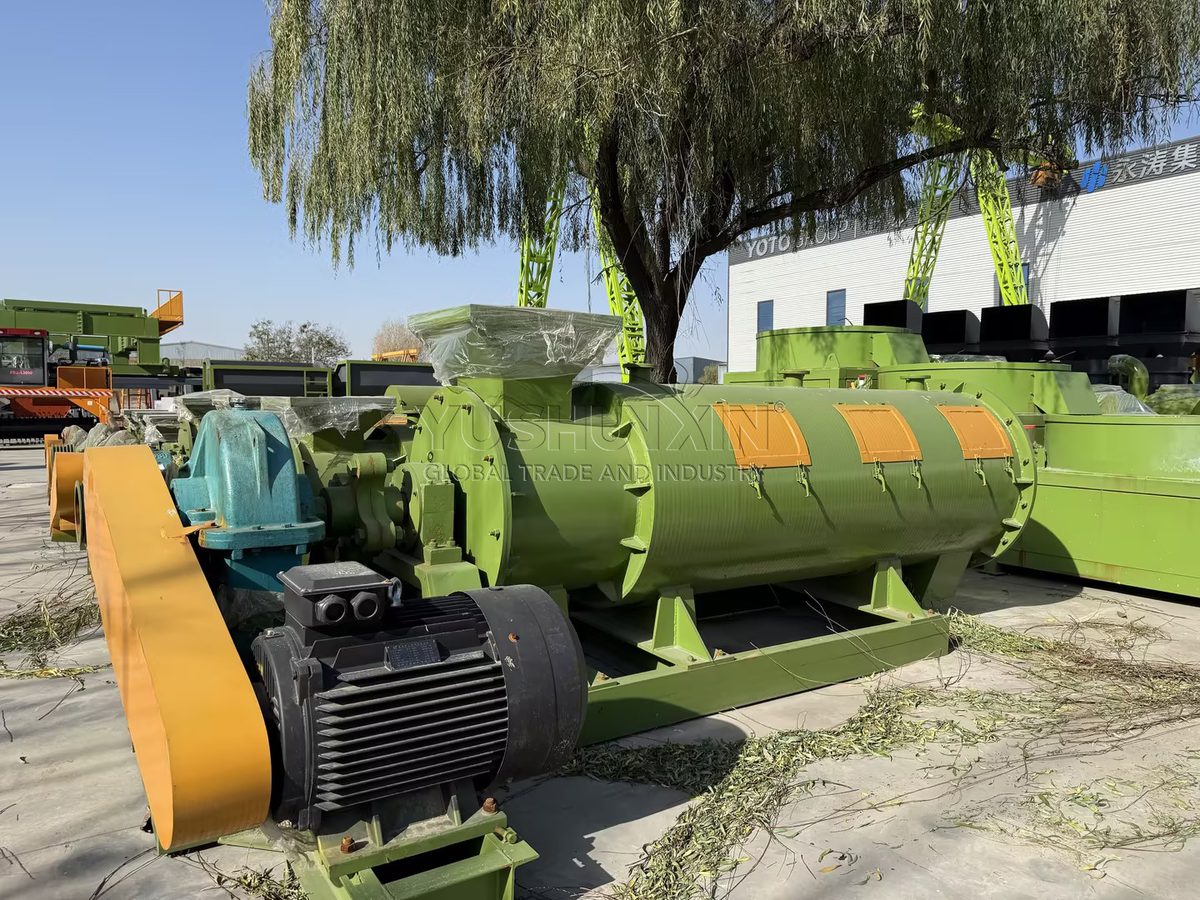
La granulación de negro de carbón convierte el polvo fino y de baja densidad en un gránulo más denso y sin polvo, más fácil de manejar y transportar. El tamaño ultrafino y la baja densidad de la materia prima dificultan la granulación, porque el polvo levanta mucho y no se moja fácil. Caracterizamos el polvo antes de configurar la línea, porque el mezclador, el granulador y el sistema de polvo se dimensionan desde él. Es la variable que ninguna máquina aguas abajo corrige.
Caracterización de la materia prima de negro de carbón para granulación

2. Control y contención de polvo para el manejo de negro de carbón

El negro de carbón es extremadamente polvoriento y mancha todo lo que toca, así que la línea se construye para contención. La recepción, el transporte y la granulación van cerrados, y la captación se dimensiona para el polvo ultrafino con retorno al proceso. Es recuperación de producto e higiene de planta, y es la decisión de diseño más importante en una línea de negro de carbón. Una línea que no contiene el polvo no puede operar limpia.

Control y contención de polvo para el manejo de negro de carbón

3. Mezcla y humectación para la formación del gránulo de negro de carbón

El negro de carbón se granula por humectación y mezcla, porque el polvo seco no tiene unión natural. El mezclador humedece el polvo a una banda estrecha y lo amasa en una masa lista para granular, y la humectación se controla para que el polvo forme bolas sin volverse pasta. Es la etapa donde el polvo fino y polvoriento se vuelve una alimentación trabajable, especificada para la baja densidad y la alta superficie del negro de carbón.

Mezcla y humectación para la formación del gránulo de negro de carbón

4. Ruta de granulación para negro de carbón: mezclador de pines y peletizador

El negro de carbón se granula típicamente en un mezclador de pines o un peletizador, porque el polvo ultrafino necesita el amasado que da un mezclador de pines. La ruta es una granulación mecánica de baja energía, y el tamaño del gránulo lo fijan la residencia y la humectación. Seleccionamos la ruta para el grado de negro de carbón y el gránulo que compra el cliente, y la ruta es una decisión de capital que el ajuste no arregla.

Ruta de granulación para negro de carbón: mezclador de pines y peletizador

5. Secado y enfriado de los gránulos de negro de carbón para la estabilidad de manejo

Los gránulos humedecidos se secan a la humedad estable y se enfrían antes del cribado y el empaque, porque un gránulo húmedo se apelmaza y uno caliente vuelve a levantar polvo. El secador se dimensiona para la humedad y la sensibilidad del polvo, y el enfriador baja los gránulos para el manejo. El secado y el enfriado son un balance de calor, y los dimensionamos como par.

Secado y enfriado de los gránulos de negro de carbón para la estabilidad de manejo

6. Cribado y reciclaje para el tamaño del gránulo de negro de carbón

La criba clasifica los gránulos y devuelve el subtamaño al granulador como reciclaje, estabilizando la granulación y manteniendo uniforme el tamaño. El reciclaje aporta los núcleos donde crecen los nuevos gránulos, y la relación se equilibra en el diseño. Un reciclaje bien equilibrado mantiene ajustada la banda de producto.

Cribado y reciclaje para el tamaño del gránulo de negro de carbón

7. Empaque sin polvo para los gránulos de negro de carbón

Los gránulos se empacan en una línea de envasado con control de polvo, porque el producto debe salir sin liberar el polvo que se granuló para contener. La envasadora llena y sella con extracción en el punto de llenado, y la controladora verifica el peso. Es la etapa donde se realiza el propósito de la granulación: un producto sin polvo y manejable.

Empaque sin polvo para los gránulos de negro de carbón

8. Base de seguridad y emisiones del procesamiento de negro de carbón

El polvo de negro de carbón es riesgo respiratorio y combustible, así que la línea se construye con captación, puesta a tierra y la base de emisiones fijada con el permiso. El manejo cerrado y el sistema de polvo forman parte del diseño de seguridad, no un añadido. Declaramos la base de emisiones y seguridad para que la planta opere dentro del permiso.

Base de seguridad y emisiones del procesamiento de negro de carbón

9. Inversión y costo operativo de la granulación de negro de carbón

La inversión la fijan la contención de polvo y la ruta de granulación, y el costo operativo lo dominan la energía del secado y el desgaste del mezclador y el granulador. El polvo ultrafino es el factor de costo, porque exige el manejo cerrado. Publicamos la guía y desglosamos la cotización, para que el comprador vea dónde va el dinero.

Inversión y costo operativo de la granulación de negro de carbón

10. Puesta en marcha y aceptación de la granulación de negro de carbón

La puesta en marcha prueba la línea con el negro de carbón real. Corremos a la salida acordada, comprobamos el tamaño y el nivel de polvo frente a la lista, y capacitamos en la humectación y la contención. Los criterios son medibles, y tras la entrega mantenemos los repuestos y el soporte remoto, porque una línea que levanta polvo o para es un problema para toda la planta.

Puesta en marcha y aceptación de la granulación de negro de carbón
error: Content is protected !!