Stirring Tooth Rotary Drum Granulator (Compound) | YUSHUNXIN Fertilizer Machinery
Solicite listas de precios y cotizaciones por correo Exportamos a más de 60 países
Menú
Home/Products/Stirring Tooth Rotary Drum Granulator (Compound)

Stirring Tooth Rotary Drum Granulator (Compound)

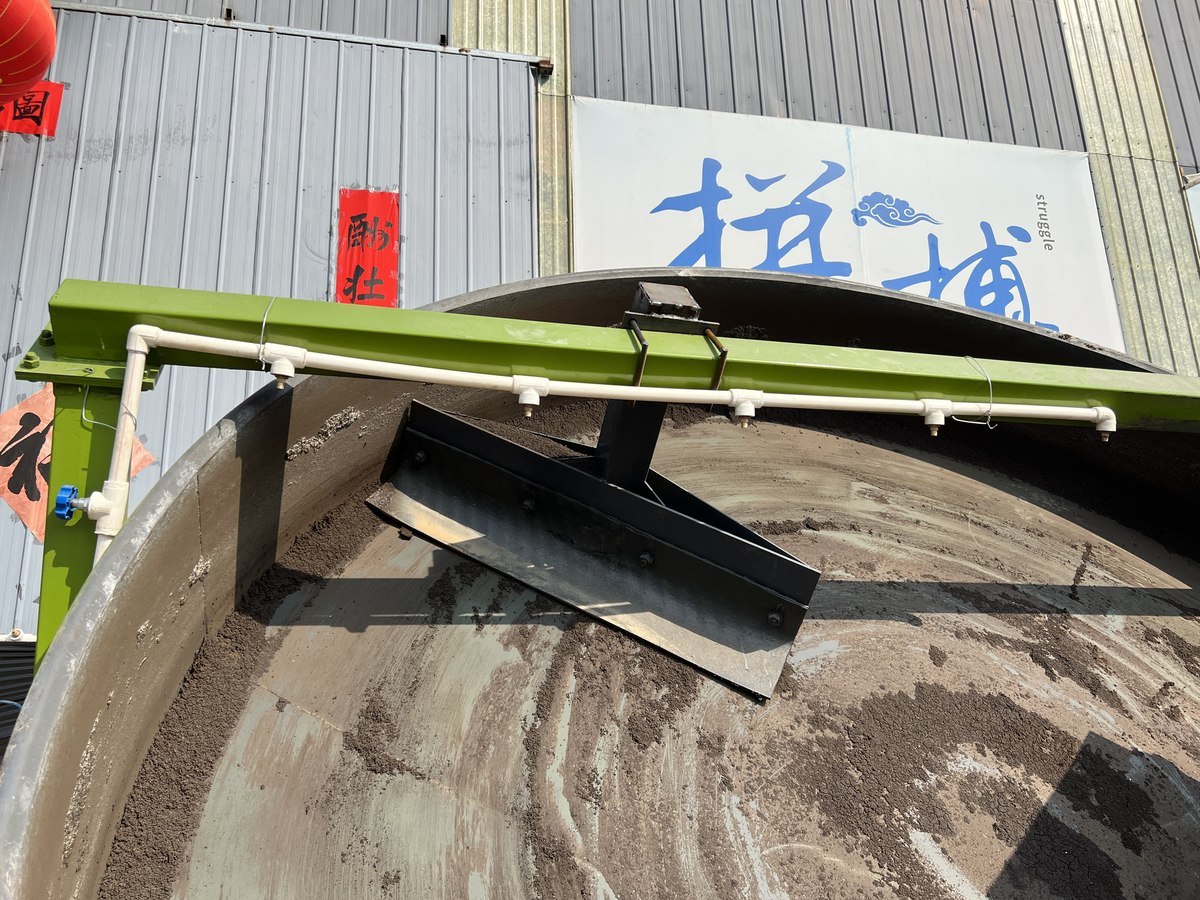
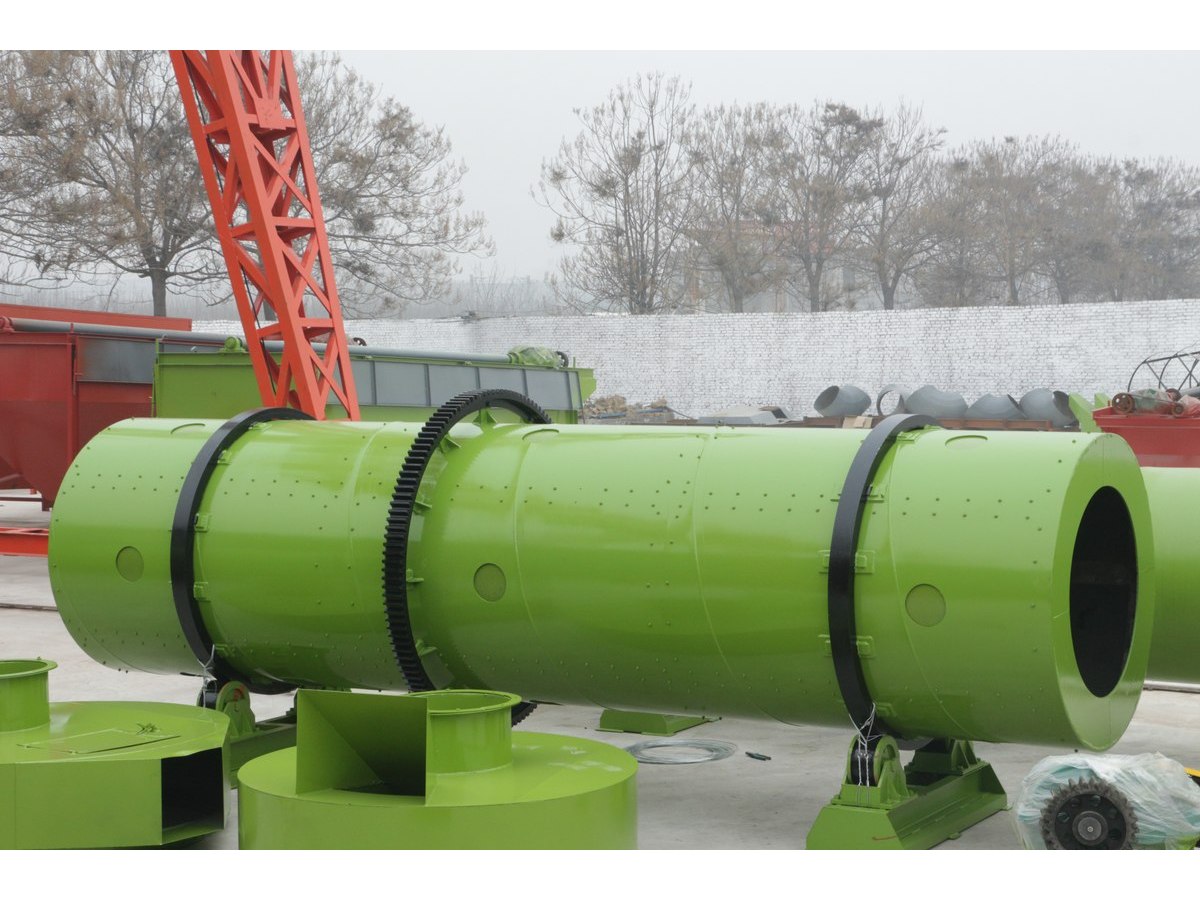
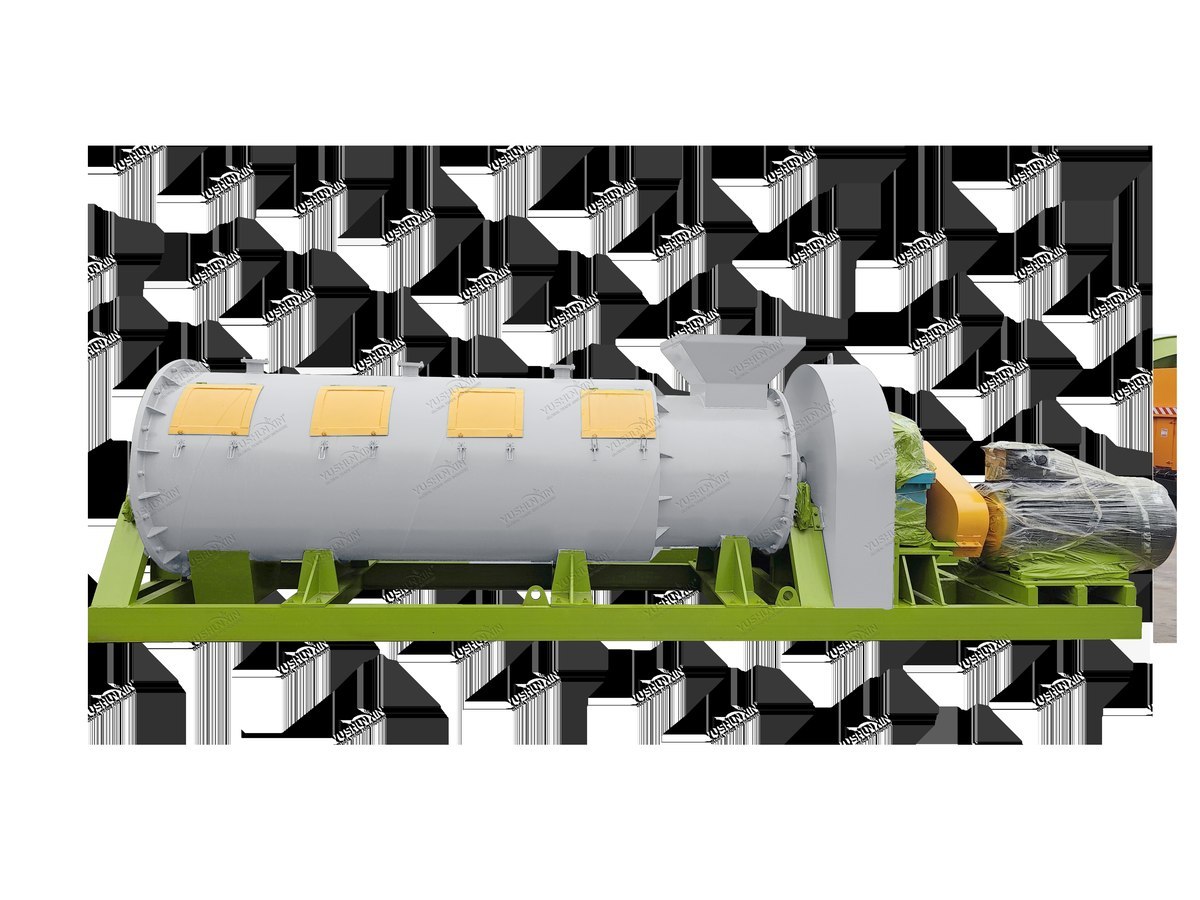
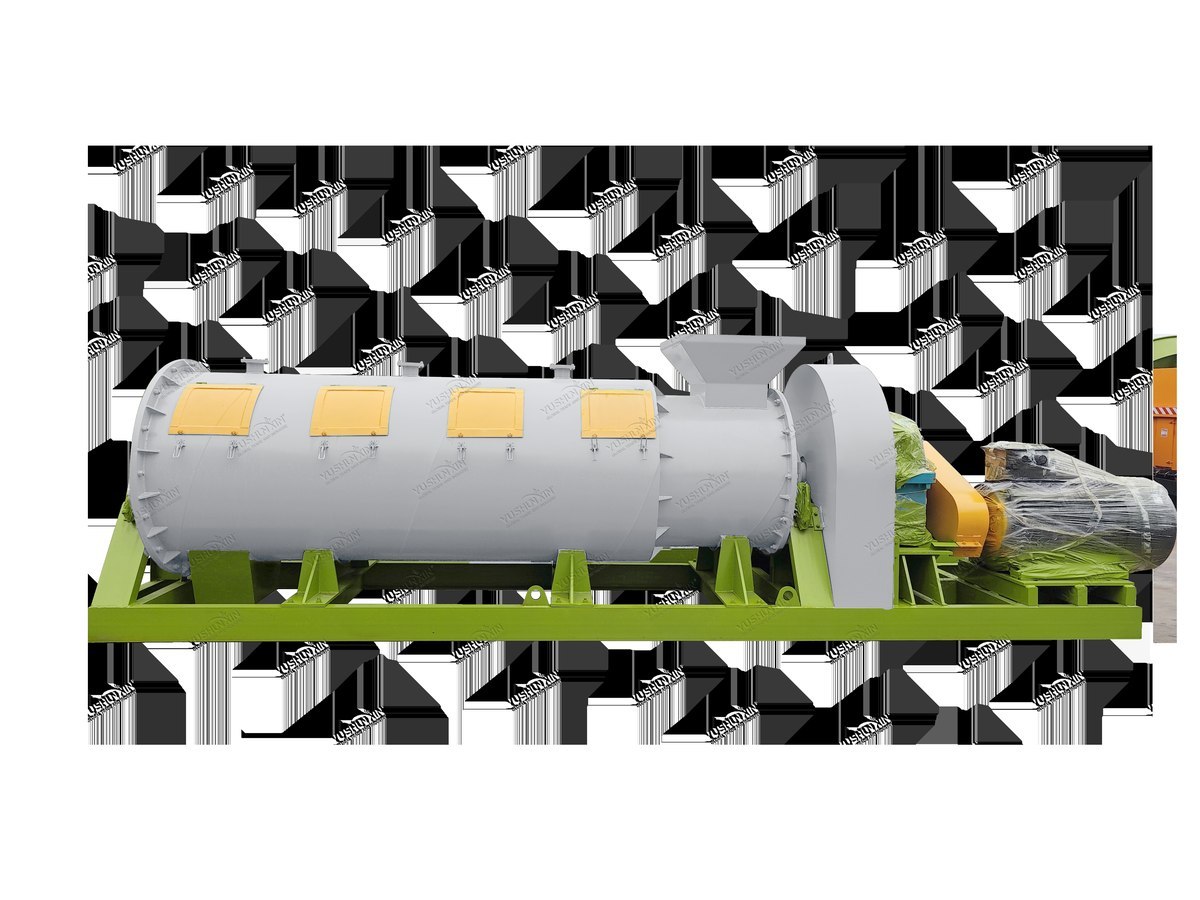
The Stirring Tooth Rotary Drum Granulator is a granulator machine engineered by YUSHUNXIN for Compound fertilizer plants, Fertilizer project investors and Agricultural input companies. It is used for npk compound fertilizer, organic-inorganic compound fertilizer, urea-based compound fertilizer. Stirring-tooth wet granulation delivers round, dense NPK granules in a single drum — factory-direct and fully integrated with YUSHUNXIN compound lines.

GranuladoresSNPK compound fertilizerOrganic-inorganic compound fertilizerUrea-based compound fertilizer
What is this

Stirring Tooth Rotary Drum Granulator (Compound)

Rotary-drum granulator with internal stirring teeth for compound fertilizer — wet agitation granulation that blends, balls and densifies powder into uniform granules.

Why buyers choose it

High granulation rate for compound NPK

Stable round granules from one machine

Integrates with batching and drying train

Proven wet-route for compound lines

Why choose YUSHUNXIN

Stirring-tooth wet granulation delivers round, dense NPK granules in a single drum — factory-direct and fully integrated with YUSHUNXIN compound lines.

How it works

Working principle of the Stirring Tooth Rotary Drum Granulator

1

Step 1

Raw material is fed and pre-conditioned (moisture/binder as needed)

2

Step 2

Granules form by rolling, compaction or extrusion in the granulation chamber

3

Step 3

Wet granules move to drying/cooling, or dry granules go straight to screening

4

Step 4

Fines and oversized particles are screened out and recycled to the granulator

Key components

What the machine is made of

Core structure and sub-systems of the Stirring Tooth Rotary Drum Granulator — every part is selected for fertilizer-duty reliability.

Feeding & conditioning inlet

Even material entry with moisture/binder dosing point

Granulation chamber

Pan / drum / roller / die assembly where granules form

Scraper & discharge assembly

Keeps the surface clean and discharges formed granules

Drive & reducer

Matched motor and gearbox for stable, low-maintenance rotation

Frame & base

Welded steel structure engineered for long service life

Configuration

Standard vs optional configuration

Standard configurationFull machine assembly, matched motor & reducer, operation manual, export packing
Stainless steel option304/316 contact parts for corrosive or water-soluble material
Control levelManual / semi-auto / Siemens PLC with recipe management
Branded componentsValue package (W/N motors, Guomao gearboxes, ZWZ bearings) or premium package (Siemens, SEW, SKF)
Voltage & frequency380V/50Hz standard; 415V, 440V/60Hz, 525V, 660V customized
Installation & utilities

What to prepare on site

Power supply

Installed drive by model; confirm voltage/frequency with our engineers

Footprint

Reference dimensions by model (per model); site layout confirmed before delivery

Operators

1–2 operators per shift

Site preparation

Power at your local voltage/frequency; reinforced concrete floor recommended; optional dust collection.

Spare parts

Recommended wear parts

We keep long-term stock for these consumables and ship them worldwide with any complete-line or spare-parts order.

Rollers & pan linersScraper bladesDie / roller sheetsBearings & oil sealsDrive belts

View spare-parts & service support

In-depth buying guide

Stirring Tooth Rotary Drum Granulator: six decisions that determine your configuration

Work through these six angles before you request a quotation. Each angle ends with a 10-second check so you can confirm fit and give our engineers the right data the first time.

1. Principio de funcionamiento del granulador de tambor de dientes agitadores para gránulos de fertilizante compuesto

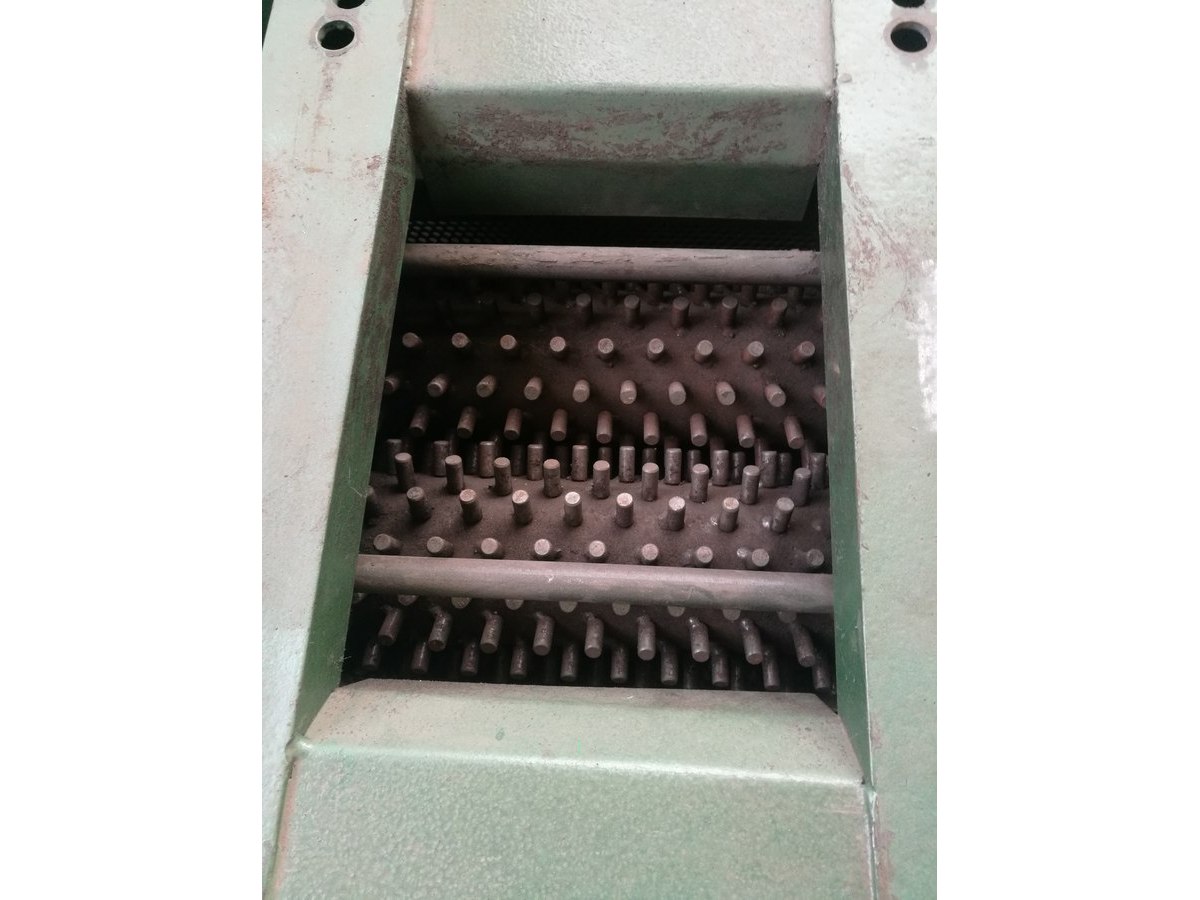
El tambor de dientes agitadores combina un tambor rotatorio con un rotor agitador interno, lo que le permite manejar polvos compuestos que un tambor simple no rodaría. Los dientes agitadores rompen los terrones y empujan el material al contacto mientras el tambor gira, de modo que el polvo granula en pellets redondos con una tasa de formación más alta que un tambor estándar en fórmulas difíciles. Esta ruta se usa para NPK y compuestos donde el polvo es ligeramente pegajoso y necesita agitación mecánica para formar lecho. La velocidad del rotor y del tambor se fijan juntas para que el material ruede en lugar de lanzarse.

Quick check #1

Describa su fórmula compuesta y la condición del polvo, y confirmaremos si el tambor de dientes es la ruta correcta y fijaremos las velocidades del rotor y del tambor.

2. Ajustes de humedad y aglutinante del tambor de dientes para una alta tasa de formación de bolas

La humedad y el aglutinante deciden qué tan bien se forman las bolas. El tambor de dientes tolera mejor una alimentación ligeramente húmeda que un tambor simple, porque los dientes trabajan el material y evitan que se apelmace, pero la banda de humedad debe ser correcta. Fijamos la adición de agua o aglutinante líquido según la absorbencia del polvo, y la agitación lo distribuye para que el lecho se forme uniformemente. El objetivo suele ser 8-14% de humedad para NPK, con una solución de urea o ácido donde se necesita dureza. Una alimentación demasiado húmeda hace grumos sobredimensionados, y una demasiado seca hace polvo sin pellets.

Quick check #2

Díganos su tipo de aglutinante y la humedad que logra, y fijaremos la pulverización y la banda de humedad para una tasa de formación estable.

3. Dimensionado de capacidad del tambor de dientes para líneas de compuesto NPK

La capacidad del tambor de dientes se fija por la carga viva dentro del tambor y el tiempo de residencia necesario para formar gránulos, no por una etiqueta. El rotor agitador toma parte de la carga, así que la máquina alcanza una tasa de formación más alta al mismo volumen de tambor que un tambor simple, pero sobredimensionar igualmente cuesta potencia y espacio. Dimensionamos el tambor y el rotor frente a su producción y fórmula objetivo, con 15-20% de margen para que un cambio de humedad o densidad no pare la línea. La carga de reciclaje de la criba también entra en el cálculo.

Quick check #3

Envíe su producción NPK objetivo, fórmula y expectativa de reciclaje, y dimensionaremos el tambor y el rotor para la carga viva.

4. Tambor de dientes vs disco y tambor para fertilizante compuesto

El tambor de dientes se sitúa entre el disco y el tambor estándar. El disco es el más barato y visible, pero sufre con polvo compuesto pegajoso; el tambor estándar maneja alto volumen pero puede necesitar un pregranulador para fórmulas difíciles. El tambor de dientes añade la agitación mecánica que esas fórmulas necesitan, dando una tasa de formación más alta que un tambor simple sin la atención al lecho abierto que exige un disco. Es la elección natural para una línea NPK media donde el polvo es pegajoso o el operador quiere un granulador continuo con contención de polvo sin sacrificar calidad.

Quick check #4

Comparta la pegajosidad de su fórmula y su producción, y compararemos el disco, el tambor estándar y el de dientes con el costo y la diferencia de tasa de formación.

5. Piezas de desgaste del revestimiento y los dientes agitadores del tambor

Los dientes agitadores y el revestimiento del tambor son las dos piezas de desgaste que deciden el costo de mantenimiento, porque los dientes están en contacto constante con polvo compuesto abrasivo. Usamos dientes reemplazables resistentes al desgaste y un revestimiento de tambor adaptado al material, y la holgura entre los dientes y la pared se fija para que el lecho se trabaje sin que los dientes raspen la carcasa. Los dientes son el elemento de desgaste rápido, así que los listamos en el kit de repuestos con el intervalo de reemplazo para su fórmula.

Quick check #5

Pida los números de pieza de dientes y revestimiento y el intervalo de reemplazo, y los incluiremos en la lista de repuestos.

6. El tambor de dientes en una línea completa de fertilizante compuesto NPK

El tambor de dientes es una etapa de una línea de compuesto, y su salida fija el trabajo de todo lo que viene después. Aguas arriba lo alimentan la dosificación y la mezcla, y aguas abajo los gránulos húmedos van al secador, enfriador, criba y recubrimiento. Configuramos el tambor para que su tamaño y humedad de gránulo coincidan con el trabajo de evaporación del secador y el reciclaje de la criba, lo que mantiene la línea estable. Comprar el granulador solo y añadir el resto después suele costar más, porque las etapas deben reajustarse cuando la salida real difiere.

Quick check #6

Envíe su fórmula compuesta, capacidad y tamaño final de gránulo, y diseñaremos la línea completa con el tambor de dientes en el centro.

Applications

Where it is used — and how to confirm it fits

This Stirring Tooth Rotary Drum Granulator fits when your project matches one of these use cases. Tell us your raw material, target capacity and moisture so we confirm the configuration before quoting:

NPK compound fertilizerOrganic-inorganic compound fertilizerUrea-based compound fertilizer

Best suited for

  • Compound fertilizer plants
  • Fertilizer project investors
  • Agricultural input companies

Where it is delivered

AfricaMiddle EastSoutheast AsiaLatin America

Factory-direct pricing, short lead times and complete line integration — wherever your project is located.

Customization

Customization we can engineer

Standard machines use reliable, field-proven components. For projects that require specified brands, we offer factory-authorized component upgrade packages plus full electrical customization.

Options you can add

  • Special voltage & frequency (e.g. 380V/60Hz, 440V, 525V, 660V)
  • 304/316 stainless steel contact parts
  • Rubber or stainless liners for coating machines
  • Siemens PLC control with recipe management and batch logging
  • Matched inverter (VFD) packages for variable-speed dosing and conveying
  • Wire & cable supply for complete lines
  • CE-ready electrical components and documentation on request

Branded component packages

Branded Option 1

W/N motors · Guomao gearboxes · ZWZ bearings

+8–10%
Branded Option 2

Siemens motors · SEW gearboxes · SKF bearings

+12–15%

Price adjustments are reference ranges applied to the corresponding equipment scope. Special voltage / frequency and material-contact requirements are always customized.

Quality control

How we guarantee every machine

Quality is a process, not a label — every YUSHUNXIN machine passes the same five checkpoints before it leaves the factory.

1

Incoming material inspection

Steel plates, motors, reducers, bearings and electrical parts are checked against brand and specification on arrival.

2

Fabrication & welding inspection

Shell thickness, welding quality, alignment and surface finish are inspected at each station during fabrication.

3

Assembly & alignment check

Shafts, gears, rollers, frames and drives are aligned and checked before electrical hook-up.

4

No-load test run

Every machine is test-run no-load; speed, vibration, noise and temperature are recorded on the test sheet.

5

Packing & pre-shipment check

Export packing, spare-parts list and documents are double-checked, with photos/video before dispatch.

National fertilizer machinery quality certificationsMultiple patent certificates for new & efficient fertilizer equipmentCE-ready electrical & control components
Delivery & support

Packing, delivery and after-sales

Export packaging

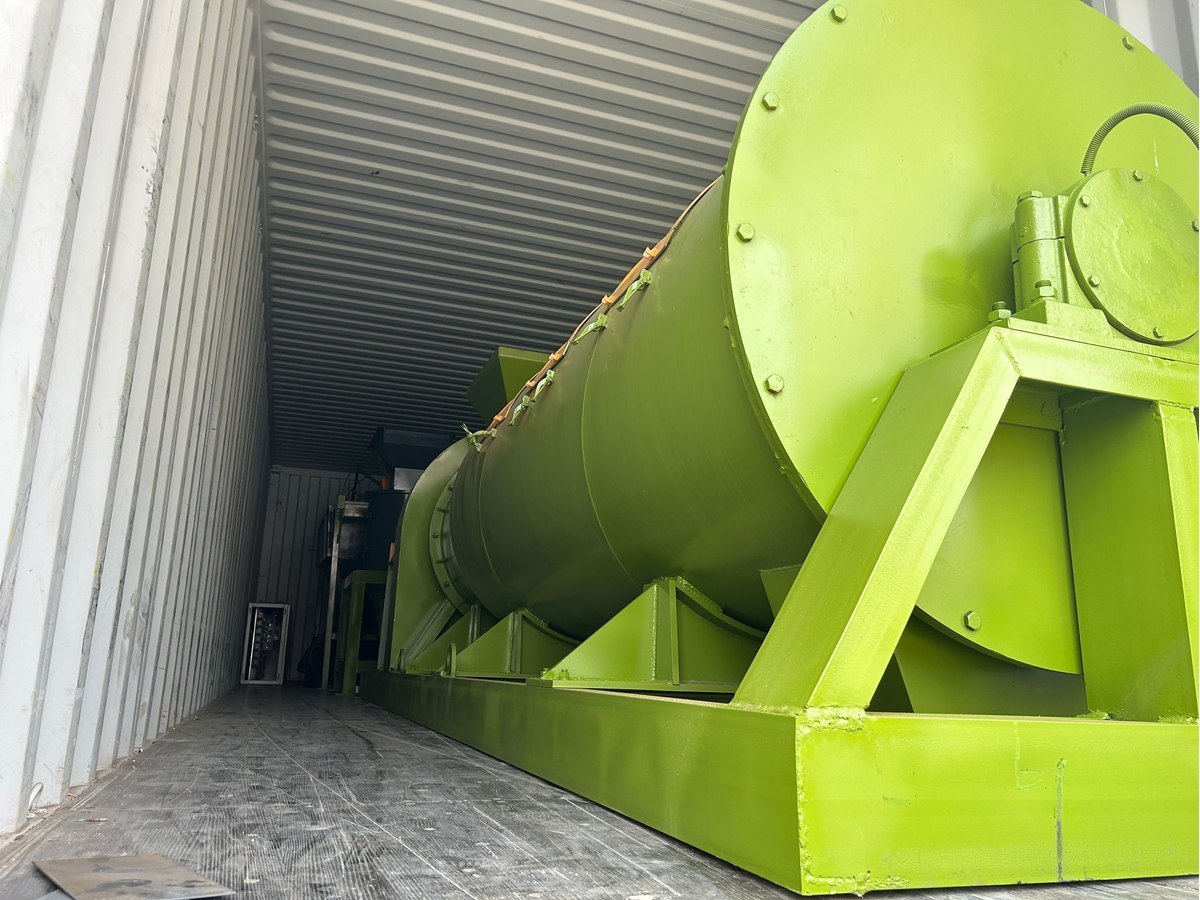
Machines are packed for sea freight: steel-frame or plywood cases, anti-rust treatment, waterproof film and clear marking.

Worldwide delivery

FOB, CIF, CFR or door-to-door options; we prepare packing lists, commercial invoices and shipping marks for customs.

Installation & commissioning

Site drawings and assembly guidance are included; on-site engineer supervision is available for complete lines.

Operator training

Manual and video in your language, plus remote guidance via WhatsApp/email during commissioning.

Spare parts support

Long-term supply of wear parts — rollers, dies, blades, screens, nozzles, bearings, reducers, sensors, motors and more.

Warranty & after-sales

12-month machinery warranty and responsive after-sales support from our engineering team.

Price logic

Why the price varies — and how to get an accurate quote

We do not publish list prices because every fertilizer project is different. This is exactly what makes the difference:

Model & capacity

Larger capacity and heavier construction raise machine cost — but usually lower cost per ton.

Contact material

Carbon steel is standard; 304/316 stainless steel costs more but suits corrosive or food-grade material.

Automation level

Manual, semi-auto and full Siemens PLC control change both price and operating manpower.

Branded components

Standard brands, value package (+8–10%) or premium package (+12–15%) for motors, gearboxes and bearings.

Quantity & packaging

Single machines, complete lines, export packing and spare-parts kits are quoted separately.

Destination & lead time

Freight, port, customs documents and requested delivery time affect the final quotation.

FAQ

Questions buyers ask before inquiry

Can this Stirring Tooth Rotary Drum Granulator be customized for my project?
Yes. We can adapt voltage/frequency (e.g. 380V/60Hz, 440V, 525V), use 304/316 stainless contact parts, add Siemens PLC control, or supply branded components. Customization is confirmed in the technical proposal after you share your capacity, raw material and destination.
What information do I need for an accurate quotation?
Please provide: target model or capacity, raw material and moisture, quantity, destination country/port, voltage/frequency, customization needs (stainless steel, PLC, branded parts) and expected delivery time. With these, we can quote accurately within 24 hours (24/7).
What is the delivery time and how is it shipped?
Standard machines ship in about 15–30 days; complete lines and customized machines take longer depending on scope. All equipment is export-packed for sea freight with FOB/CIF/CFR or door-to-door options.
Do you provide installation guidance and training?
Yes — assembly drawings, manuals and video guidance are included, and our engineers support remote commissioning by WhatsApp/email. On-site supervision is available for complete lines.
Can I order this machine as part of a complete line?
Yes. This Stirring Tooth Rotary Drum Granulator is integrated into our complete production lines with matched batching, mixing, conveying, drying and packing equipment — one supplier, one guarantee.
Do you support branded components or OEM?
We offer two factory-authorized brand packages (value and premium international brands) plus electrical customization. For OEM orders, share your brand files, target market, quantity and packaging requirements.
Product gallery

Machine details & factory photos

Real equipment, parts and production photos from our factory.

Inquiry

Request a quotation

For an accurate quotation, please include

The more complete your information, the faster we can respond with a precise proposal.

  • Target model or capacity (t/h)
  • Raw material and moisture
  • Quantity (single machine / complete line)
  • Destination country & port
  • Voltage & frequency
  • Customization (stainless steel / PLC / branded)
  • Expected delivery time

Product Inquiry

Tell us about your project — we reply within 24 hours (24/7).

Fields marked * are required. Your inquiry goes directly to our engineering team.

Related

Related products

Granulador de Disco

Granulador de Disco

Model: SXYP-2000Capacity: 1.2–1.5 t/h – 2–4 t/hPower: 4 kW
Granulador de Tambor Rotatorio

Granulador de Tambor Rotatorio

Model: SXZGZ-1240Capacity: 1–2 t/h – 4–5 t/hPower: 5.5 kW
Granulador Orgánico de Nuevo Tipo

Granulador Orgánico de Nuevo Tipo

Model: SXJC-600Capacity: 1–1.5 t/h – 1.5–2.5 t/hPower: 37 kW
Granulador de Extrusión de Doble Rodillo

Granulador de Extrusión de Doble Rodillo

Model: SXDG-1TCapacity: 0.8–1.5 t/h – ≈1.5 t/hPower: 11 kW
error: Content is protected !!