
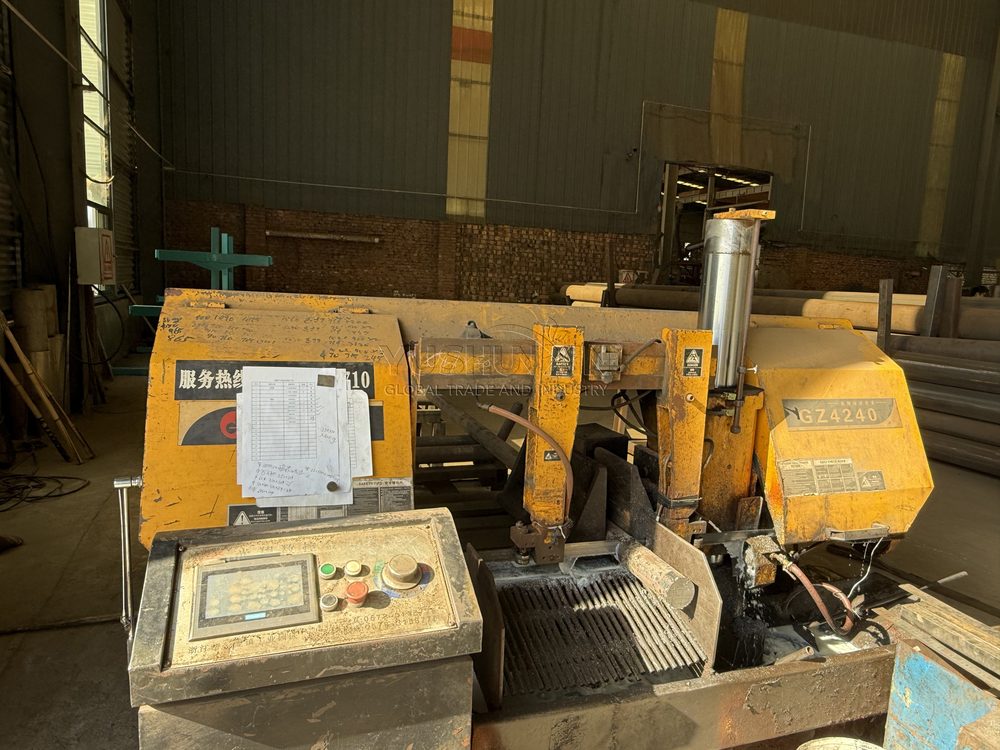
Las plantas de fertilizantes operan en ambientes polvorientos, abrasivos y a veces corrosivos. Los problemas pequeños -una banda ligeramente descentrada, un rodamiento caliente, una criba desgastada- son invisibles en la operación diaria pero se convierten en fallas en semanas. Una cultura de mantenimiento que revisa por calendario y no después de una avería es el seguro más barato que puede comprar una planta.
El seguimiento y la tensión de la banda deben revisarse cada semana, porque una banda descentrada daña los bordes y causa derrames. La temperatura del rodamiento es una advertencia temprana: un rodamiento caliente al tacto hoy es una falla la próxima semana. Las cribas se desgastan de forma desigual y rotarlas o reemplazarlas antes de que aparezcan agujeros protege el tamaño del gránulo. La calibración de la balanza verificadora se deriva, y una auditoría semanal de 20 bolsas detecta la deriva de peso antes que los clientes.
La caída de presión del colector de polvo indica el estado del filtro, y una presión creciente significa limpieza o reemplazo próximos. La deriva del control de humedad en el secador es la causa más común de las quejas por apelmazamiento. Para una línea de 5 t/h, una avería de ocho horas evitada paga meses de tiempo de mantenimiento.
YUSHUNXIN entrega un manual de mantenimiento y una lista de repuestos con cada línea completa, y el equipo posventa apoya el diagnóstico remoto y las visitas programadas. Las piezas de desgaste -rodillos, matrices, cuchillas, cribas, boquillas, rodamientos, reductores, sensores y motores- se suministran a largo plazo. Descargue la información de repuestos y servicio desde la página de servicios, o contacte al equipo posventa para un plan de mantenimiento ajustado a la configuración de su línea.
Most fertilizer line downtime comes from predictable causes: belt misalignment, bearing temperature, screen wear, moisture control drift and packing calibration. A structured weekly checklist catches these early. This article gives a practical walk-down checklist and the signs that mean stop-and-fix now.
Event background
Fertilizer plants run in dusty, abrasive and sometimes corrosive environments. Small problems - a slightly off belt, a warm bearing, a worn screen - are invisible in daily operation but become failures within weeks. A maintenance culture that checks on a schedule, not after a breakdown, is the cheapest insurance a plant can buy.
Key facts
- Belt tracking and tension should be checked weekly; a mistracking belt damages edges and causes spillage
- Bearing temperature is an early warning: a bearing that is warm to the touch today is a failure next week
- Screens wear unevenly; rotating or replacing them before holes appear protects granule size
- Checkweigher calibration drifts; a weekly 20-bag audit catches weight drift before customers do
- Dust collector pressure drop indicates filter condition - rising pressure means cleaning or replacement is due
- Moisture control drift in the dryer is the most common cause of caking complaints
What this means for customers
A weekly checklist reduces unplanned downtime, extends wear-part life and protects product quality. For a 5 t/h line, one avoided 8-hour breakdown pays for months of maintenance time. A weekly maintenance checklist is the cheapest reliability investment a plant can make, because it catches the wear that would otherwise become a breakdown. The practical way to use this article is to carry its three angles into your specification discussion. First, fix the feedstock and the product target before the machine, because the line is sized from the material, not from a catalogue number. Second, ask the supplier to state the delivery scope item by item, including the conveying, the dust system, the installation and the training, so competing offers are compared on the same basis. Third, agree the acceptance points before the order, so the capacity, the accuracy and the product quality are measured rather than assumed. When all three are written down, the quotation becomes a project plan, and the supplier who can answer them clearly is usually the one who can also deliver the plant on time and keep it running afterwards.
How we support this
YUSHUNXIN provides a maintenance manual and spare-parts list with every complete line, and our after-sales team supports remote diagnostics and scheduled maintenance visits. Wear parts - rollers, dies, blades, screens, nozzles, bearings, reducers, sensors and motors - are supplied long-term.
We keep a spare-parts list for every delivered line. The customers who follow a weekly checklist call us for spares on schedule; the others call us for emergency diagnosis.
Next steps
Download the spare-parts and service information from the services page, or contact our after-sales team for a maintenance plan matched to your line configuration.
Related pages
Build your maintenance plan
Tell us your line configuration and operating hours - we will provide a maintenance schedule and recommended spare-parts stock.
Explore complete production lines
Línea de Producción de Fertilizante Soluble en Agua (Polvo)Línea de Producción de Fertilizante OrgánicoLínea de Producción de Fertilizante Compuesto NPKAutomatización de Envasado y Paletizado de FertilizantesSistemas de Separación Física de Aguas Residuales GanaderasLínea de Granulación de Negro de CarbónAll production lines