خط إنتاج الأسمدة العضوية | YUSHUNXIN Fertilizer Machinery
اطلب قوائم الأسعار وعروض الأسعار عبر البريد نصدّر إلى أكثر من 60 دولة
القائمة
Home/Solutions/خط إنتاج الأسمدة العضوية

خط إنتاج الأسمدة العضوية

حوّل روث الدجاج والبقر والخنازير والأغنام والحمأة والقش ومخلفات الطعام إلى أسمدة عضوية مسحوقة أو حبيبية — 1–20 طن/ساعة.

Southeast AsiaAfricaLatin AmericaMiddle EastCentral AsiaRussia / CIS
Solution at a glance

خط إنتاج الأسمدة العضوية

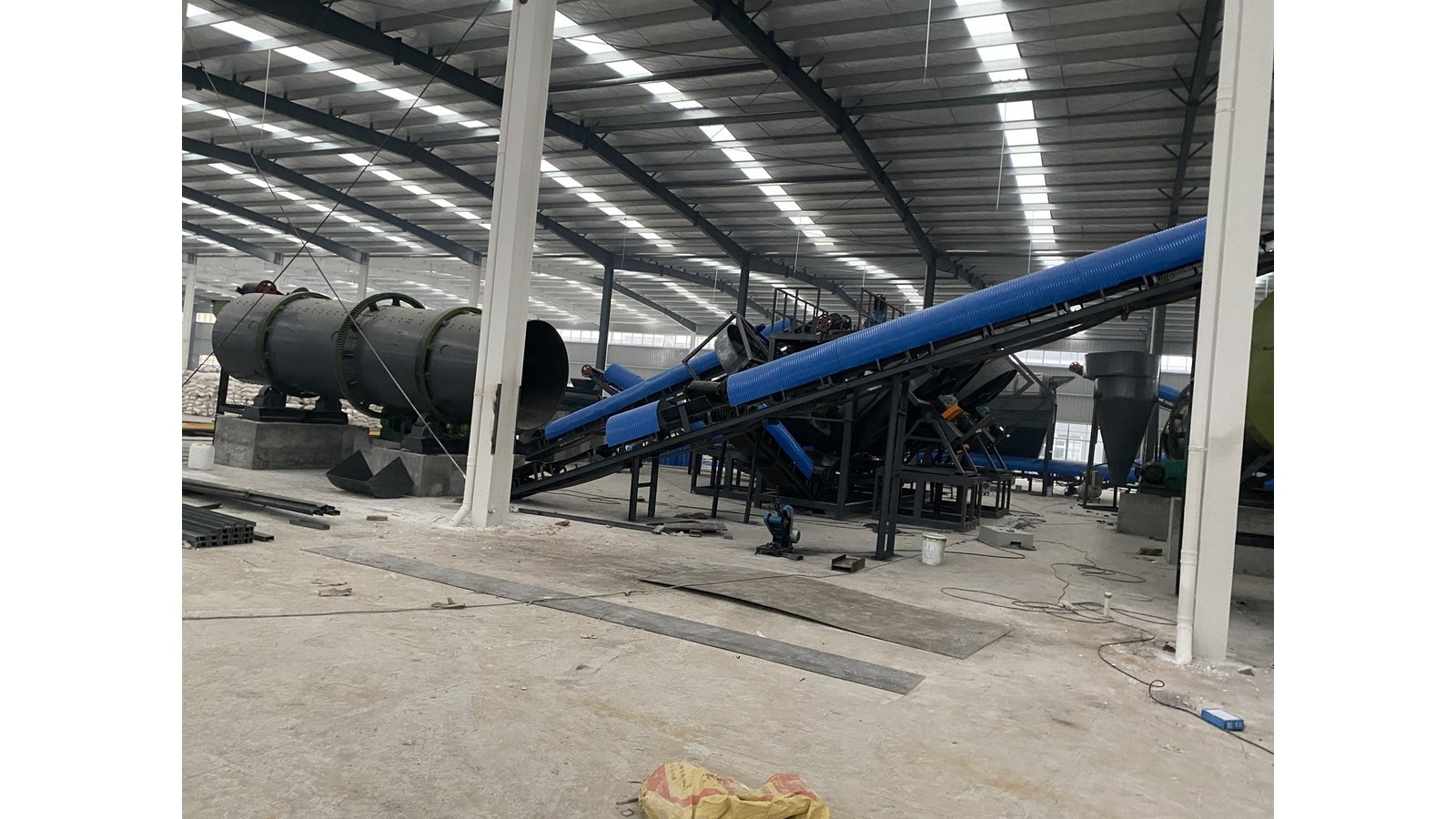
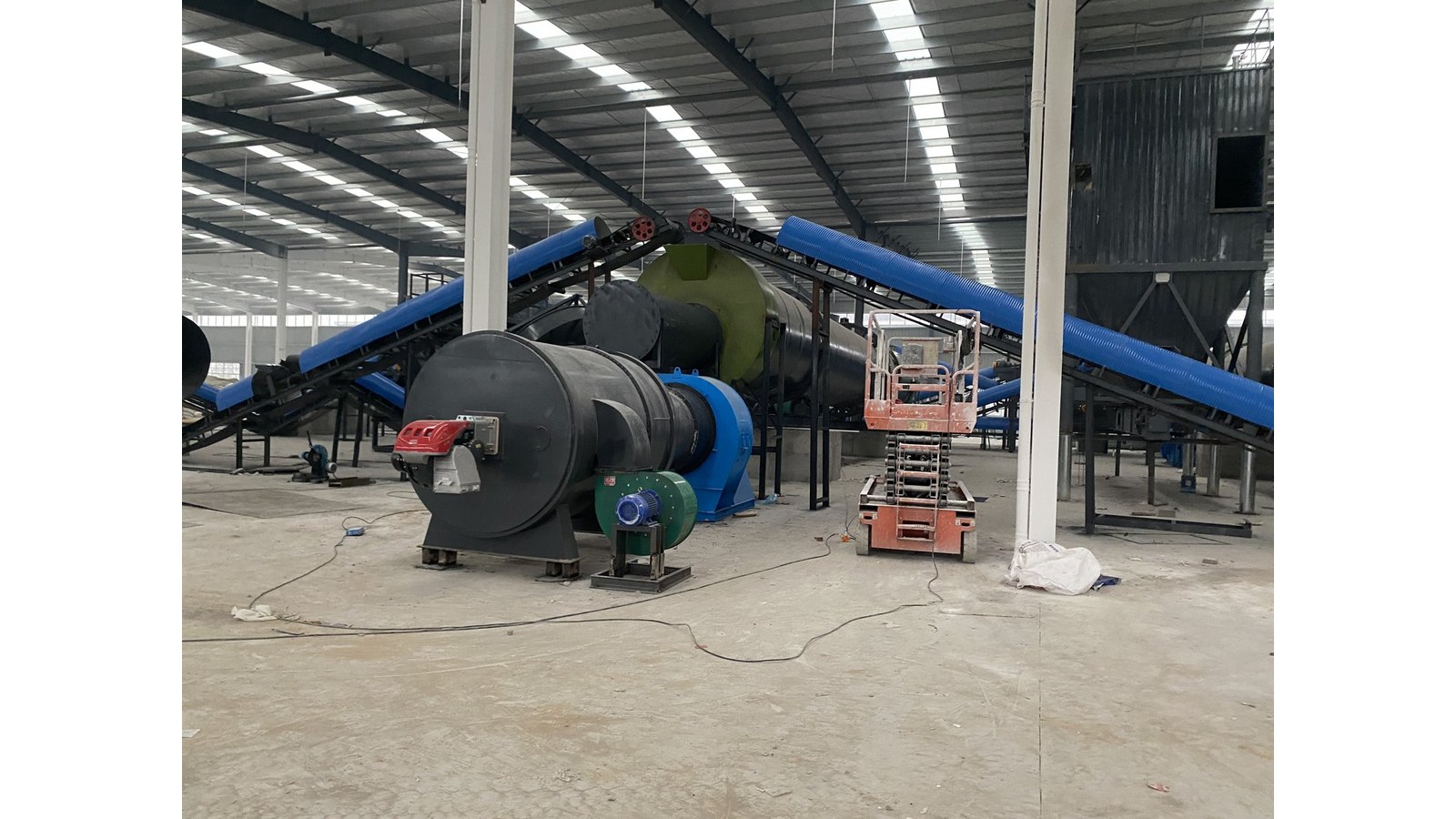
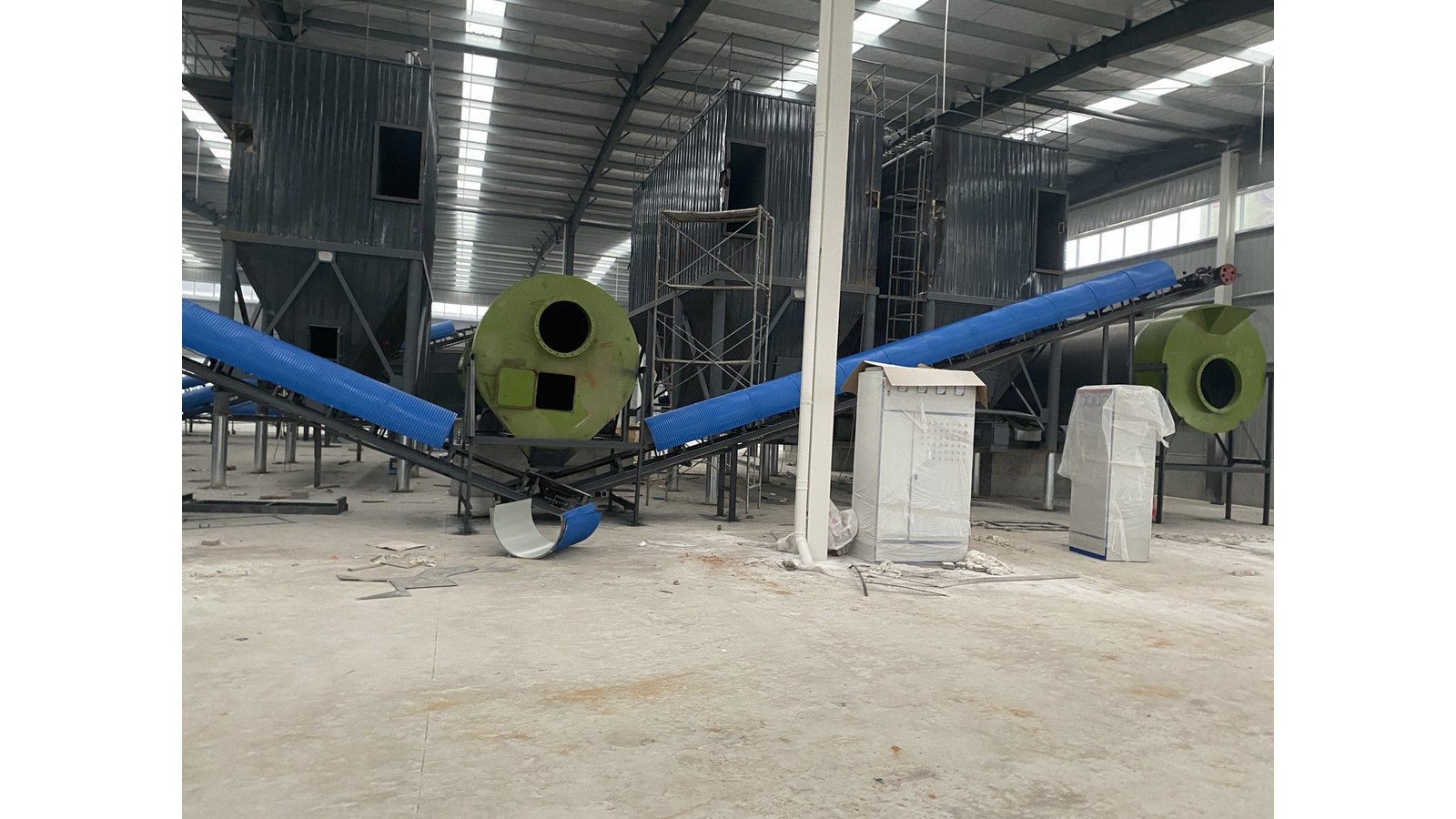
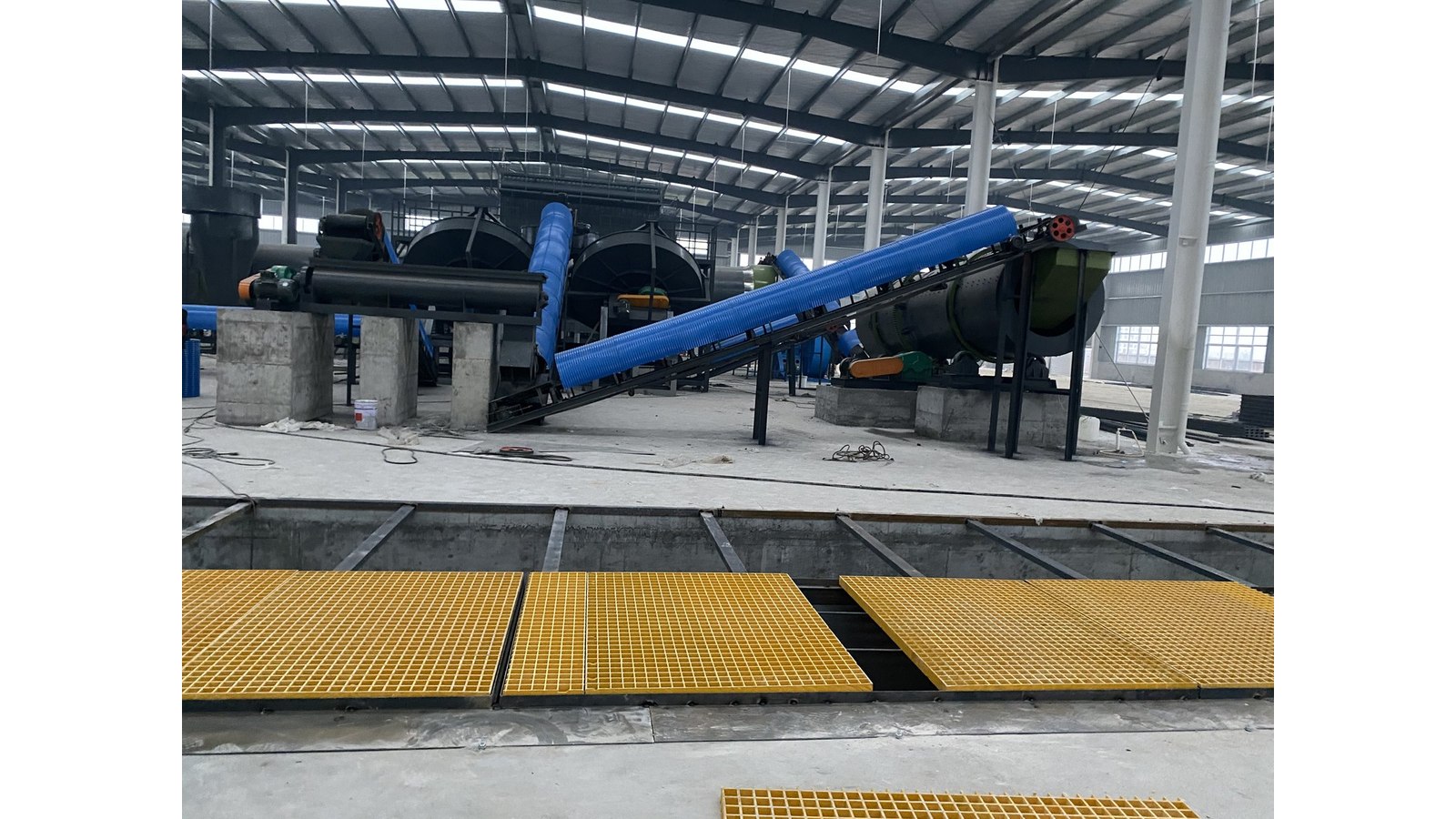
خط الأسمدة العضوية هو المنتج الرئيسي للخطوط الكاملة لدى YUSHUNXIN. يغطي التخمير والتكسير والخلط والتحبيب والتجفيف والتبريد والغربلة والتغليف والتعبئة، ويمكن تسليمه كخط مسحوق منخفض الاستثمار أو خط حبيبي عالي القيمة. تشمل متغيرات المواد الخام روث الدجاج والبقر والخنازير والمساحيق المعدنية والأسمدة الحيوية.

طاقة نموذجية للخط الكامل 1–20 طن/ساعة

منتج نهائي مسحوق أو حبيبي

تغطية كاملة من التخمير إلى التعبئة

هندسة خاصة لكل مادة خام

Why This Line

Why choose this line

Organic fertilizer is YUSHUNXIN's flagship and the company's first main push line. One manufacturer covers the full fermentation-to-packing process, with a low-CAPEX powder route and a high-value granular route, plus raw-material variants for chicken, cow, pig and mineral feedstocks.

1–20 t/h typical complete-line capacity
7 process stages, fermentation to packing
Powder (low CAPEX) or granular route
4 raw-material variants: chicken / cow / pig / mineral
Who this solution is for

Is this solution for you?

Read this first: the solution fits specific customers, scenarios and project stages. If you are not the target, the configuration and quote will not be right.

Suitable for

  • Farms and farm groups converting chicken, cow, pig or sheep manure into salable fertilizer
  • Waste-to-value companies processing sludge, straw, food waste or agricultural residue
  • Existing organic fertilizer plants expanding from powder to granular product
  • Bio-organic and mineral-organic blend producers needing fermentation-to-packing coverage

Not suitable / confirm first

  • Projects without a confirmed raw material source and moisture profile
  • Customers who need only one machine (a single turner, granulator or dryer) - see our product pages instead
  • Sites with no available space for fermentation and curing (fermentation is the largest area consumer)
The problems

What customers face before this solution

These are the real operating problems this line is designed to solve - and why they happen.

Typical problems

  • Raw manure is inconsistent in moisture and fiber, so downstream equipment clogs or produces weak granules
  • Fermentation is uncontrolled: temperature and turning are irregular, causing odor, pathogen and stability issues
  • Lumpy fermented material enters the granulator and breaks the pellet quality
  • Moisture is too high for granulation, so the dryer becomes the bottleneck and energy cost rises
  • Granules are soft, dusty or caked because screening, coating and cooling are missing
  • The line is oversized or undersized because capacity was not matched to raw material moisture

Why they happen

  • Composting is treated as a storage step instead of a controlled process with aeration and turning cycles
  • No pre-crushing between fermentation and mixing, so lumps and fibers reach the granulator
  • Moisture is adjusted at the granulator instead of upstream, forcing the dryer to remove extra water
  • Dryer and cooler are sized from final tonnage without accounting for moisture removal load
  • Screening and coating are treated as optional, so off-spec fines and caking reach the customer
  • Raw material moisture is not measured during design, so the whole line is built on an assumption

Why a complete line, not single machines

An organic line fails at the interfaces, not inside a single machine. Fermentation output moisture decides dryer load; crushing quality decides granulator stability; screening returns decide yield; coating decides storage life. If you buy a granulator and dryer separately, these interfaces are never engineered, and the plant underperforms on day one. A complete line is the only way to guarantee the chain from raw manure to bagged granule.

Process

How the line works

1

التخمير

مقلبات كمبوست أو خزانات تخمير رأسية مع تهوية وإزالة روائح.

2

التكسير

كسارات سلسلة أو رأسية تكسر المواد المخمرة وتفكك التكتلات.

3

الخلط والتهيئة

خلاطات أفقية أو ثنائية المحور تجانس التركيبة وتضبط الرطوبة.

4

التحبيب

محببات قرصية أو أسطوانية أو عضوية جديدة أو مسطحة أو بكرتين.

5

التجفيف والتبريد

مجففات ومبردات دوارة تخفض الرطوبة والحرارة.

6

الغربلة والتغليف

غربال دوار يصنف المنتج؛ آلات التغليف تحسن مضاد التكتل والمظهر.

7

التعبئة

تعبئة أوتوماتيكية وأكياس FIBC ورصّ تكمل الخط.

Configuration logic

Why we configure it this way

Equipment is not a list - it is a response to your conditions. This is how your conditions change the configuration:

When your project is...We configure...
High-moisture fresh manureGroove or crawler compost turners with forced aeration and longer retention; moisture conditioning before granulation
Powder product / low investmentPowder route: crushing, mixing, screening, packing - no granulation/drying/cooling main sections
Granular product with fiberNew-type organic granulator or disc granulator matched to fiber and moisture
Dry mineral-organic blendsDouble-roller extrusion granulation for low-energy, moisture-sensitive formulas
Export-grade granulesDryer + cooler + rotary screener + coating machine + automatic bagging/palletizing
Scenario differences

Different projects get different configurations

We do not apply one template to every customer. Here are three common scenarios and how the configuration changes.

Poultry farm group

Focus: Odor control, pathogen reduction, consistent granules

Groove turners + vertical fermentation tanks + new-type organic granulator + drying/cooling

Waste-to-value operator

Focus: Handling mixed feedstocks (sludge, straw, food waste)

Blending + moisture conditioning + robust crushing + disc granulation

Powder-line start-up

Focus: Minimum investment, later upgrade

Powder route with expandable layout for future granular sections

Implementation

From inquiry to commissioning

This is the delivery path we follow for every complete line project.

1

Confirm requirements

Raw materials, formula, capacity, bag size, utilities and site conditions are confirmed in a technical questionnaire.

2

Process design & layout

We produce a process flow, line layout and foundation drawings sized to your material data.

3

Quotation with scope

You receive a quotation with an itemized delivery scope - what is included and what is excluded.

4

Order & fabrication

Fabrication starts with progress updates; long-lead items are ordered first.

5

Factory testing

Machines are assembled and no-load tested; weighing and control systems are calibrated.

6

Export packing

Equipment is export-packed with anti-rust treatment and a packing list for customs.

7

Delivery & installation

Machines ship FOB/CIF/door-to-door; installation is supervised on site or via video guidance.

8

Commissioning & training

We commission the line, train your operators and stabilize process parameters.

9

Acceptance & after-sales

Acceptance is based on agreed metrics; spares and remote support continue after handover.

Pre-purchase checklist

What to prepare before requesting a quote

The better your information, the closer the first quote is to the final one. Prepare these items:

  • Raw material type, collection method and daily quantity
  • Moisture content and C/N ratio (or samples for analysis)
  • Target product: powder or granular, and final moisture requirement
  • Target capacity in t/h or tons per day
  • Fermentation method preference and available land
  • Bag type and packing automation level
  • Site power, water and road access for raw material
  • Odor and environmental requirements for the local site

Request an organic line design

To design your organic line, send: raw material type and daily quantity, moisture, target product (powder/granular), capacity, available land for fermentation, and packing requirements.

Product Inquiry

Tell us about your project — we reply within 24 hours (24/7).

Fields marked * are required. Your inquiry goes directly to our engineering team.

Risk boundaries

When this solution does not apply

Honest boundaries make a proposal credible. These conditions must be confirmed before the configuration is valid:

  • Capacity and layout depend on available fermentation area; we size the line after your site plan
  • Feedstock chemistry (salts, antibiotics residue, heavy metals) can limit organic certification - this is outside equipment scope
  • Drying energy depends on raw moisture; we state the design basis in the proposal so you can compare fairly
  • Bio-organic certification usually requires third-party process validation, which is customer scope
  • Very abrasive feedstocks may require hardened wear parts and a higher maintenance budget
Effect verification

How we verify the solution works

Performance is checked with measurable indicators, not adjectives. These are the acceptance checks for this type of line:

IndicatorHow it is verified
Granule qualityCheck granule size distribution, strength and fines rate on the screener after commissioning
Moisture controlMeasure inlet/outlet moisture of dryer and final product moisture over a full shift
Line throughputRecord tons produced over 3 consecutive shifts at the design moisture
Fermentation maturityTrack temperature curve and turning count; verify stability and odor reduction
YieldCompare screened on-spec output vs total line input
Delivery scope

What is included - and what is not

Compare quotes on the same scope. This is exactly what the project price covers.

Included

  • Fermentation, crushing, mixing, granulation, drying, cooling, screening, coating and packing equipment
  • Process flow design and layout for your raw material scenario
  • Foundation drawings and installation guidance
  • Commissioning and operator training
  • Wear-part list and after-sales support

Not included (separate scope)

  • Civil works, sheds, fermentation tanks civil structure (tanks supplied as equipment, installation is customer or quoted)
  • Odor treatment beyond standard bio-filter interface
  • Raw material logistics and waste disposal
  • Organic certification auditing
Scenario FAQ

Questions buyers ask about this solution

أي مسار تحبيب أختار؟
يعتمد على ألياف المادة الخام والرطوبة والحبيبة المستهدفة. نوصي بالمسار بعد معرفة المادة والرطوبة والطاقة: المحبب العضوي الجديد للروث المخمر، والقرصي للاستثمار المنخفض، والبكرتين للخلطات المعدنية الجافة.
هل يمكن البدء بخط مسحوق ثم التوسع؟
نعم. خط المسحوق يستغني عن التحبيب والتجفيف والتبريد، ما يخفض الاستثمار والطاقة. يمكن تصميم التخطيط للتوسع الحبيبي لاحقاً.
How much does an organic fertilizer plant cost?
Investment depends on route (powder vs granular), capacity, fermentation method and automation level. Our cost guides cover typical budget bands — request a project quotation with your feedstock and capacity for a line-specific number.
Which capacity fits my farm or company?
Size is driven by daily manure or compost volume, available fermentation space and target output. A small farm may need 0.5–1 t/h; commercial plants commonly run 3–20 t/h. We size after collecting your feedstock and site data.
Can chicken manure be processed without odor problems?
Fermentation can be engineered with aeration, windrow turning and deodorization options; the right configuration depends on your climate, site and odor limits. Tell us your fermentation space and neighborhood constraints.
How much land do I need for fermentation?
It depends on daily input and retention time. As a rule of thumb, a 3 t/h granular line typically needs 800-2,000 m2 for turning lanes or tanks. We confirm the area after your raw material quantity and chosen fermentation method.
Can I use the same line for chicken and cow manure?
Yes, but the configuration changes: poultry manure is drier and more acidic, cattle manure is wetter and higher in fiber. We design for your primary feedstock and state the acceptable moisture window for each machine.
Do you supply fermentation tanks or only turners?
Both. Vertical fermentation tanks suit limited space and odor control; groove or crawler turners suit larger volumes and lower investment. We recommend based on your volume, climate and budget.
Deep-dive guide

Ten angles buyers must understand before investing

Each angle is a self-contained chapter with a line illustration. Read the ones that match your project stage, then send us the data each angle asks for.

1. Feedstock characterization: the raw material decides the whole organic fertilizer line

Every organic line must start from the feedstock, because manure, straw, mushroom residue and food waste behave differently at every stage. Chicken manure is high in nitrogen and moisture but low in fiber; cow manure is wet and fibrous; pig manure is wet and sticky; straw-based material is dry and bulky. These differences change the fermentation time, the crusher type, the granulator route and the dryer load. A line designed for chicken manure will jam on straw, and a line designed for straw will overdry chicken manure. We always ask for a representative sample or at least a moisture and fiber analysis before fixing the configuration, because the feedstock is the one variable no machine can be changed to fix afterwards.
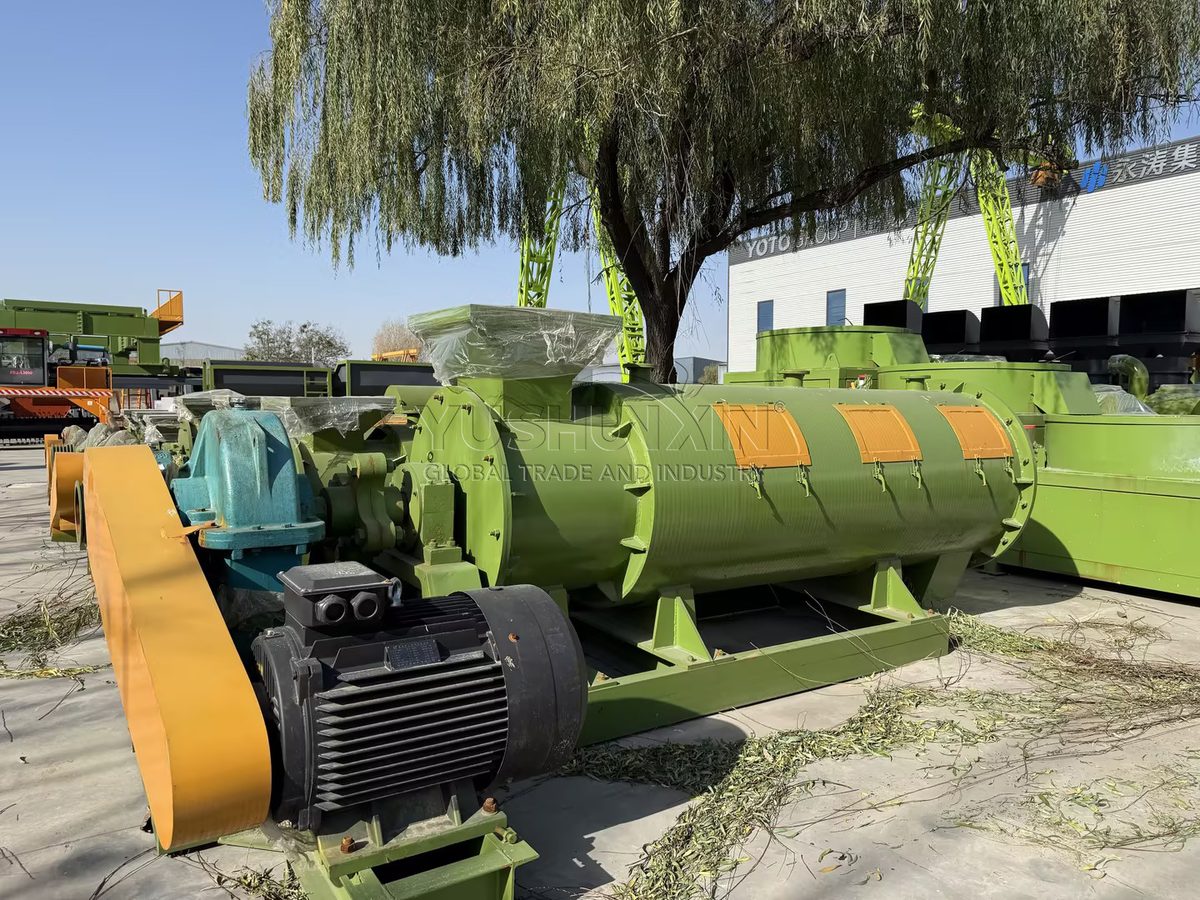
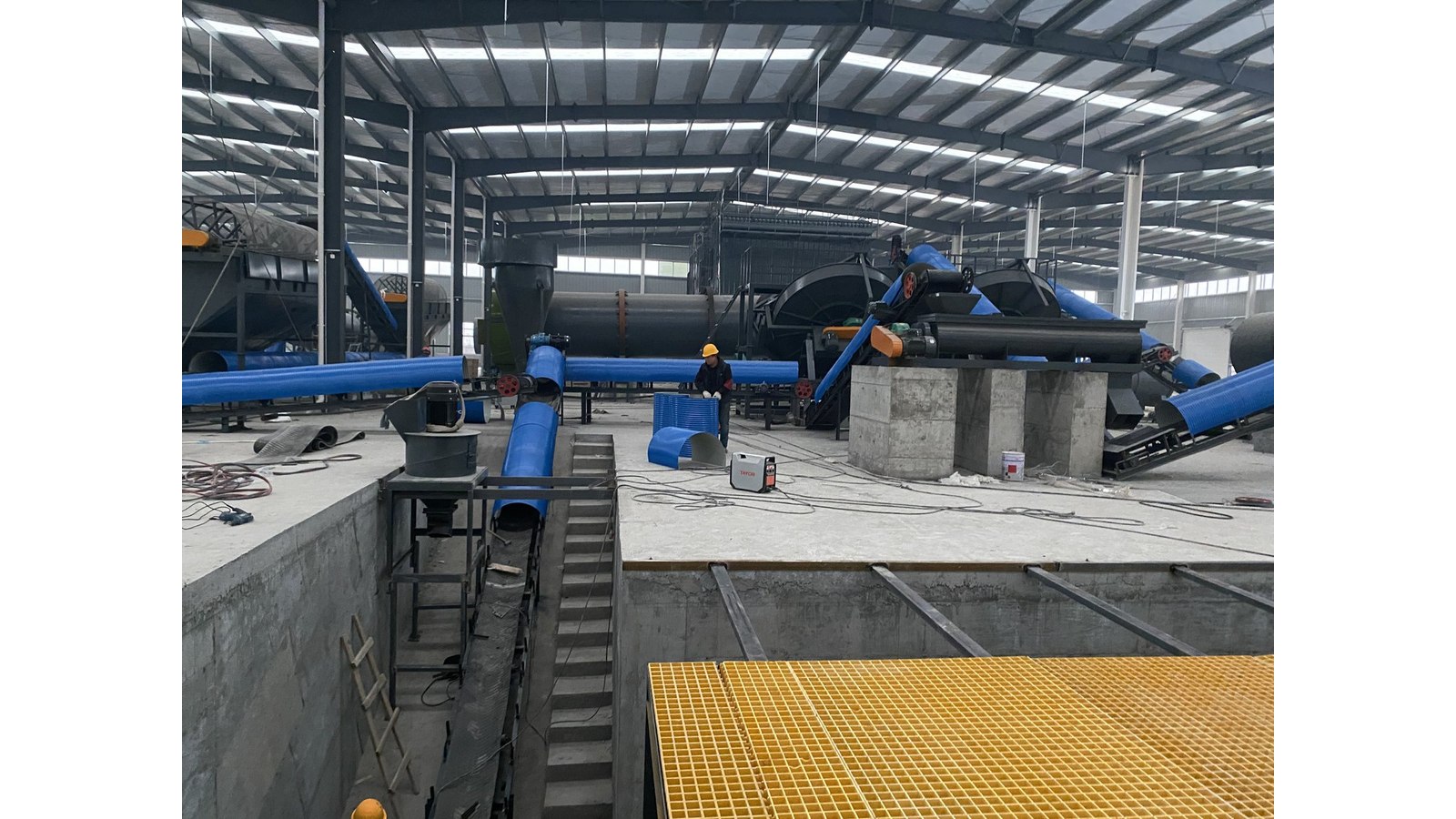
Feedstock characterization: the raw material decides the whole organic fertilizer line

2. Fermentation stage: why composting quality sets the ceiling for the whole plant

Fermentation is where the material becomes safe, uniform and ready to shape. If the compost is not fully fermented, the granules will smell, reheat in the bag and fail the customer's quality check. The fermentation stage can be open windrows with a compost turner, or enclosed fermentation tanks, or a combination. The choice is a cost-versus-control decision: turners are cheaper and suit large sites, tanks are faster and contain odor. The fermentation time depends on the C/N ratio, moisture and aeration, which is why we design the turning or aeration schedule around the material rather than a fixed number of days.

Fermentation stage: why composting quality sets the ceiling for the whole plant

3. Crushing and screening: preparing fermented material for granulation

After fermentation, the material is lumpy and full of oversize fiber, stones and plastic. Crushing reduces the lumps to a uniform particle size so the granulator can work, and screening removes stones and oversize that would damage the machine. For fiber-heavy material we use a semi-wet or high-moisture crusher that handles the sticky, partially dried compost without blocking; for harder lumps a hammer or cage crusher is better. The screen mesh sets the maximum particle size entering the granulator, and getting this right reduces both machine wear and recycle. Skipping this stage to save cost simply moves the problem downstream and produces uneven granules.

Crushing and screening: preparing fermented material for granulation

4. Granulation route for organic fertilizer: disc, new-type stirring or drum

Organic granules can be made on a disc granulator, a new-type stirring granulator or a rotary drum, and the best choice follows the material and the desired pellet. The disc is cheap and visible but dislikes long fiber; the new-type stirring granulator tolerates fiber and makes round pellets in one pass, which is why it is the most common choice for organic lines in the 1-5 t/h band; the drum suits higher volume and harder granules. For powder-only organic fertilizer there is no granulation stage at all, only mixing and packing. We select the route after seeing the material, not from a price list.

Granulation route for organic fertilizer: disc, new-type stirring or drum

5. Drying and cooling: bringing organic granules to a stable, storable moisture

Wet organic granules must be dried to around 10-15% moisture for storage, and then cooled before screening and packing. The rotary dryer provides the heat and residence time to evaporate the water, and the cooler brings the granules down so they do not soften in the bag. For organic material the drying temperature must be controlled - too hot scorches the organic matter and reduces the fertilizer's value, while too cold leaves moisture that causes caking. We size the dryer and cooler as a pair, because a dryer without enough cooling capacity is the most common bottleneck in organic lines.

Drying and cooling: bringing organic granules to a stable, storable moisture

6. Screening, coating and packing: finishing the organic fertilizer product

The finished organic granules pass through a screen that returns undersize to the granulator and oversize to a crusher, so only the on-size band is packed. A coating stage can then add a thin layer of oil, humic acid or anti-caking agent to improve appearance and storage. The packing stage weighs and seals the product into 25-50 kg bags or big bags, with the option of an automatic bagging and palletizing line. These final stages decide what the customer sees and whether the product arrives intact, so we pay as much attention to them as to the granulator.

Screening, coating and packing: finishing the organic fertilizer product

7. Automation level for an organic fertilizer line: manual, semi-auto or full PLC

The automation level changes both the price and the number of operators. A manual line costs least but needs 8-15 people and gives little production data; a semi-automatic line automates weighing and packing and needs 4-8 people; a full PLC line runs batching, conveying and packing from a control panel and needs 2-4 operators. For organic plants the sweet spot is usually semi-automatic, because the material is variable and operators still need to watch the granulation bed. We quote each level separately so you can see what the extra automation buys in labor and consistency.

Automation level for an organic fertilizer line: manual, semi-auto or full PLC

8. Plant layout and footprint: how much space an organic fertilizer line really needs

An organic line is not one machine but a sequence of buildings and yards: fermentation area, crusher and screen, granulation hall, dryer and cooler, packing room, and storage. The fermentation yard is usually the largest area, especially for windrow composting. A 5 t/h organic line can fit in roughly 1,500-3,000 square meters depending on the fermentation route, while a 20 t/h plant needs several times that. We draw the layout before quoting so you can check it against your land, because buying equipment that does not fit the plot is an expensive mistake.

Plant layout and footprint: how much space an organic fertilizer line really needs

9. Investment and operating cost structure of an organic fertilizer plant

The investment splits into equipment, civil works, utilities and installation, and the operating cost splits into raw material, labor, energy and wear parts. Fermentation and drying are the two biggest energy consumers, and labor is the biggest cost in a manual line. We provide a cost guide that shows the ranges for each capacity band so you can plan the budget before the formal quotation. The cheapest line is rarely the best value - a slightly larger dryer or a better crusher usually pays for itself in lower recycle and less downtime.

Investment and operating cost structure of an organic fertilizer plant

10. Acceptance criteria and after-sales for an organic fertilizer production line

Before the line is accepted, we agree measurable targets: output in t/h, granule size band, balling rate, final moisture and energy consumption. These are checked during commissioning with your material, not with an ideal sample. After handover we keep the spare-parts list, provide remote video guidance and schedule maintenance visits so the line keeps its performance. A clear acceptance list protects both sides and is the difference between a project that ends at delivery and one that keeps producing for years.

Acceptance criteria and after-sales for an organic fertilizer production line
error: Content is protected !!