
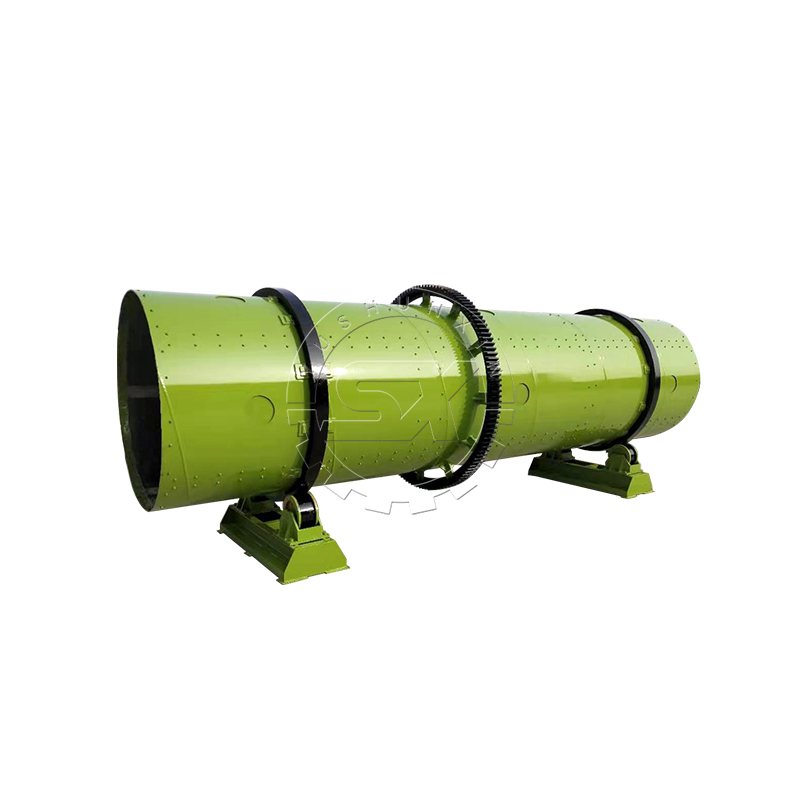
When comparing granulators, buyers look at capacity, power and diameter - but these parameters only make sense against your material's moisture, fiber and granule-size target. This guide explains what each parameter controls, which ones affect your operating cost, and the information you need to provide for a correct model selection.
Event background
A granulator's rated capacity assumes a specific material, moisture and granule-size window. The same machine that produces 3 t/h of dry mineral powder may produce 1.5 t/h of wet fermented manure. Comparing catalog numbers without the material context leads to undersized or oversized purchases.
Key facts
- Capacity is a reference throughput under typical material conditions - it changes with moisture, fiber and target granule size
- Power indicates installed drive and running cost; it is not a quality indicator by itself
- Drum/disc diameter sets the granulation zone and retention behavior, not directly the output
- The screener return rate tells you the real yield: a machine that makes lots of oversize or fines wastes energy and material
- Granule strength and size distribution, not capacity, decide whether customers accept the product
What this means for customers
Reading parameters correctly changes your purchase: it tells you whether to add 15-20% capacity headroom, whether you need stainless or hardened contact parts, and whether the dryer after the granulator is the real bottleneck. It also prevents the common mistake of comparing two granulators without stating the material basis.
How we support this
YUSHUNXIN supplies disc, rotary drum, new-type organic, flat-die and double-roller granulators, each with a model table and the material basis for capacity. We confirm the model after your moisture, fiber and target granule size - never from a catalog guess.
The granulator is one link in a chain. If you tell us moisture, fiber and target size, we can tell you the model - and whether your dryer or screener is actually the bottleneck.
Next steps
Prepare material type, moisture, fiber content, target granule size and capacity. Send these and we will recommend the granulator family and model with the expected yield and wear-part schedule.
Related pages
Confirm your granulator model
Send material, moisture, fiber, target granule size and capacity - we will return a model recommendation and expected yield.